
Last updated October 16, 2026
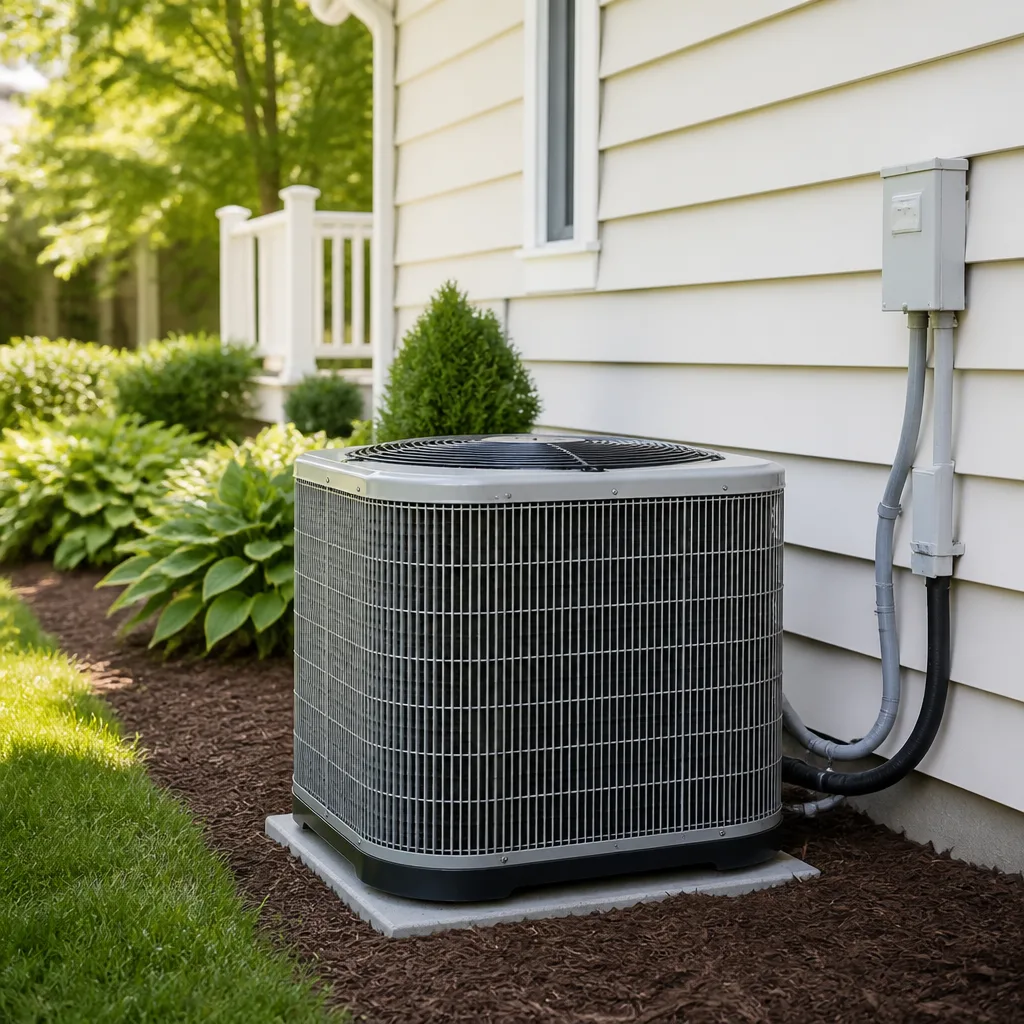 AC repair
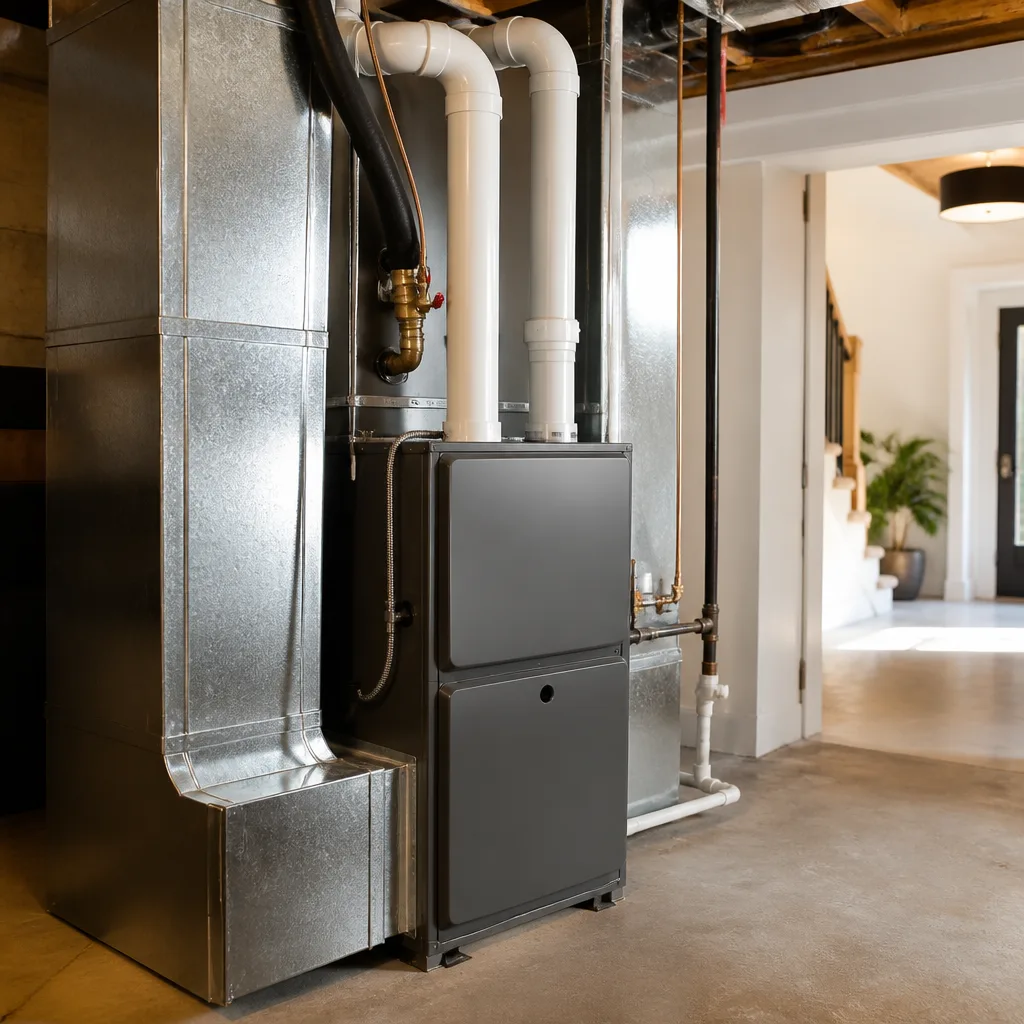 Furnace & heating
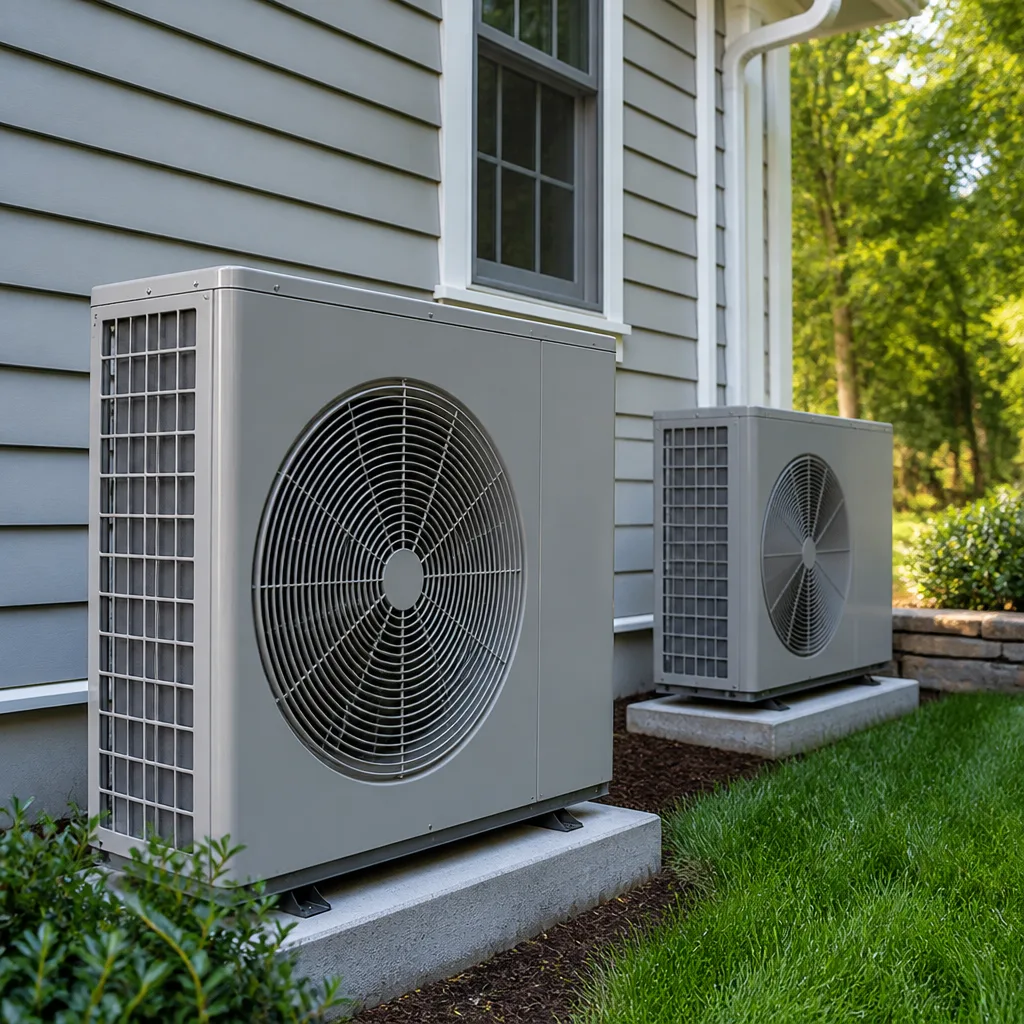 Heat pumps
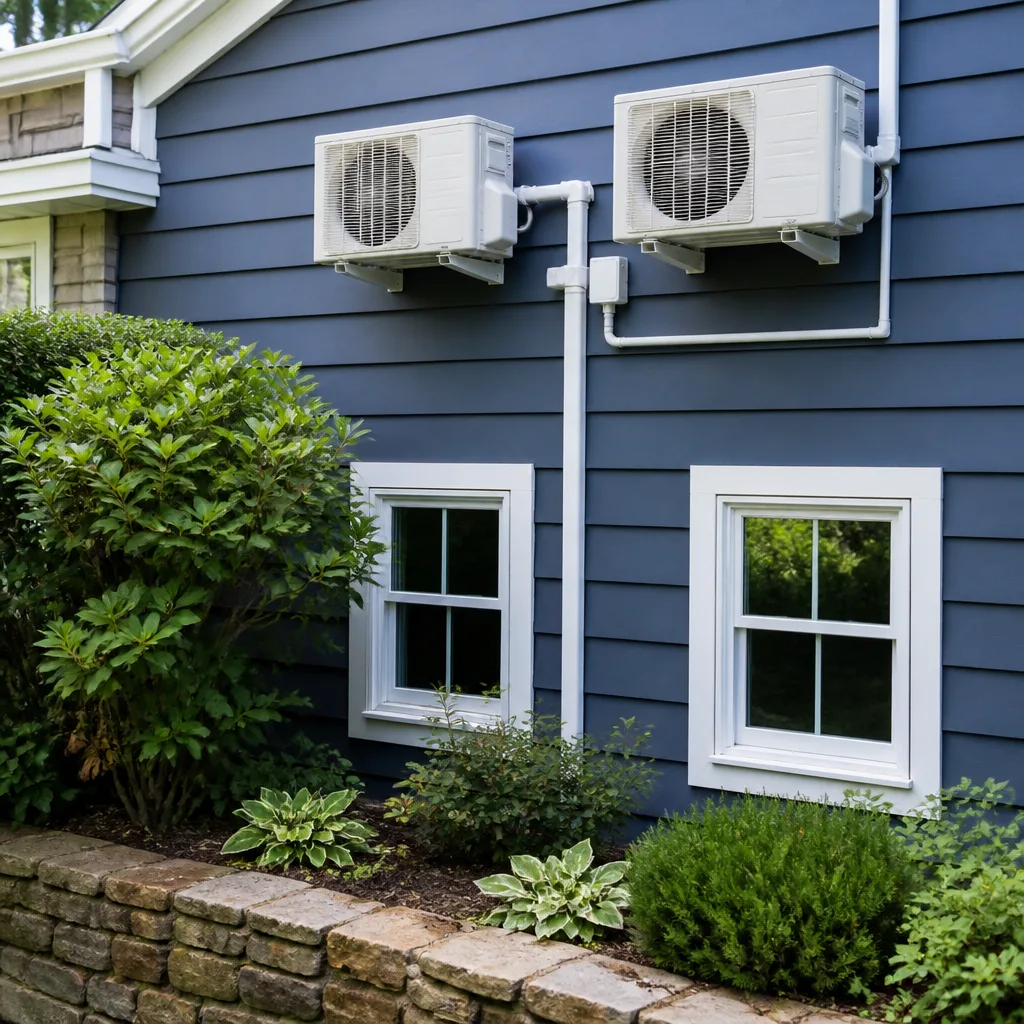 Ductless mini splits
 Carrier
 Trane
Trane Goodman
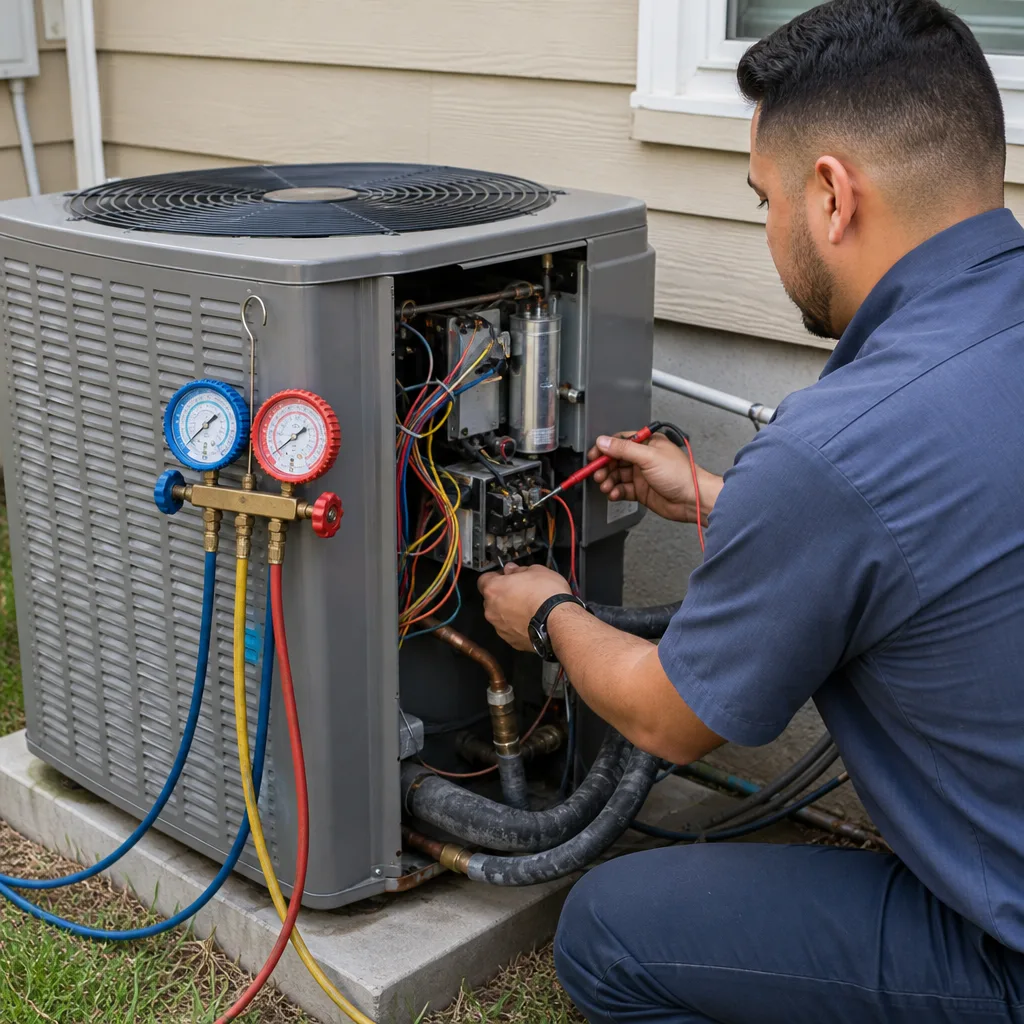
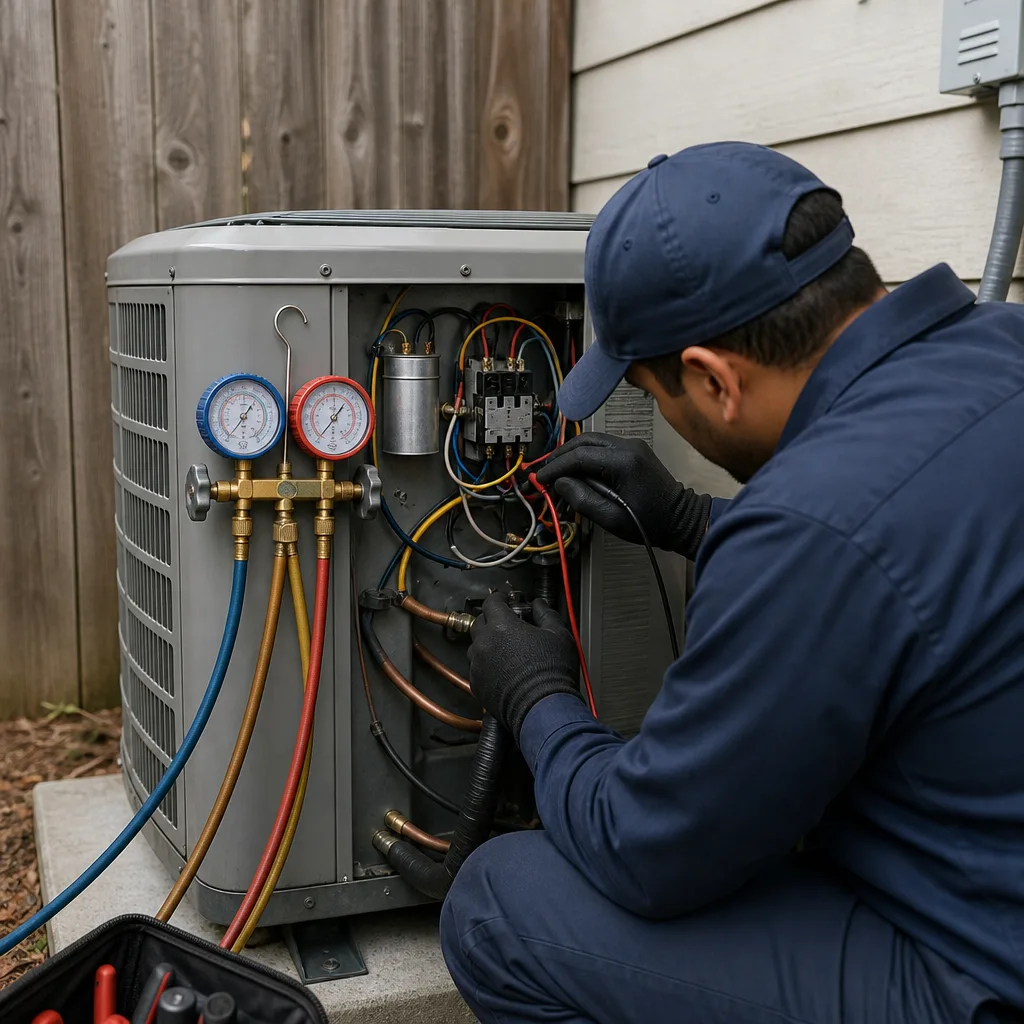
Seasonal tune-up and full diagnostic on your Carrier, Trane, or Goodman system - readings shown to you before any repair is proposed
Diagnosis first, numbers second - you approve the repair price before a single part goes in.
Get your free estimateSeasonal HVAC Care for San Antonio: Year-Round Homeowner’s Guide
In Chicago, “winterizing your HVAC” is a meaningful category. In San Antonio, where the average January high is 62°F and a 28°F cold snap can follow a 75°F week, the concept of seasonal shutdown barely applies. Homeowners who treat their system like it has a true off-season are the same ones calling for emergency heating service in February, confused that a system that ran fine in July suddenly won’t kick on. This guide is built around how San Antonio weather actually works: two heavy-use seasons, one brief transition window, and almost no downtime. For a broader look at local systems, see The Complete Guide to HVAC in San Antonio. You’ll learn what to do in each operating mode, when to spend money, when to hold off, and how to keep your system from becoming a February emergency.
Quick Answer
Seasonal HVAC care in San Antonio means running three distinct maintenance routines: a pre-summer cooling prep in April or early May, a transition check in October or November when both heating and cooling get tested without emergency pressure, and a winter-ready standby routine that assumes sudden cold snaps even though the system sits idle most days. The most valuable maintenance moment in San Antonio is the October-November transition window, not the spring, and the one task every homeowner should do before summer peak is flush the condensate drain line. You can find this and other key tasks in our AC Repair Maintenance Checklist for San Antonio Homeowners. Filter changes happen more often here than anywhere because cedar and oak pollen seasons fall in January, February, and March, not just spring.
Styles & brands we work with
Table of Contents
- San Antonio’s Three HVAC Operating Modes (Not Four Seasons)
- Summer Peak Prep: April Through Early May
- The Transition Window: October-November, San Antonio’s Most Valuable Maintenance Moment
- Winter-Ready Standby: December Through February
- Heat Pump Winter Prep for San Antonio’s Freeze Risk
- Cedar and Oak Pollen: The San Antonio Filter Schedule Nobody Follows
- Condensate Drain Flush: The One Task Before Every Summer Peak
- Common Mistakes to Avoid
- When to Call a Professional
- Frequently Asked Questions
San Antonio’s Three HVAC Operating Modes (Not Four Seasons)
San Antonio’s climate doesn’t map to the four-season maintenance calendar most national guides push. We run our systems differently here because the weather demands it. From May through October, the AC runs hard, often 12 to 16 hours a day. November and March-April are transition months, where temperatures swing wildly and both heating and cooling get used in the same week. December through February is winter-ready standby: the furnace or heat pump mostly sits quiet, but it has to fire up reliably when a cold front drops overnight temperatures into the 20s. Understanding these three modes is the foundation of year-round care.
Summer Peak (May-October): This is the longest and hardest season on your equipment. The system runs at full load during daylight hours, and even at night it cycles regularly. Capacitors, contactors, and fan motors fail most often during this stretch because they’re under constant thermal stress. Your maintenance focus here is keeping airflow unrestricted, keeping the condensate drain clear, and catching wear before it becomes a failure.
Transition (November, March-April): These are the most useful maintenance windows because you can test both heating and cooling without any emergency pressure. In October and November, the weather is mild enough that if something needs repair, you won’t suffer through a hot house while you wait for a part. The same applies in March and April, when you can confirm the AC works before the first 90-degree day of May arrives.
Winter-Ready Standby (December-February): The system sits idle most days, but it must respond instantly when temperatures dip. Corrosion, dust buildup, and small electrical issues that would have been caught during summer run-time can go unnoticed for weeks, then show up as a no-heat call on the first truly cold night.
We’ve worked on systems in neighborhoods across San Antonio, from Alamo Heights to Stone Oak to Helotes, and the pattern is consistent: homes that get attention during the transition windows almost never have emergency failures during peak or cold snap periods. Homes that skip the transitions end up paying more, and usually at the worst possible time.
Summer Peak Prep: April Through Early May
Before the first stretch of 90-plus degree days hits, usually by mid-May in San Antonio, your cooling system should get a thorough once-over. This is where the money gets spent or saved. A system that’s prepared for summer runs more efficiently, which means lower CPS Energy bills through the hottest months, and it’s far less likely to die on a 102-degree afternoon in July.
Here’s the April-through-early-May checklist that matters in San Antonio:
- Replace or wash the air filter. If you haven’t changed it since winter, it’s carrying cedar and oak pollen from February and March. Start summer with a clean filter, and check it again in June when oak pollen season has fully ended.
- Flush the condensate drain line. This is the single most important pre-summer task. A clogged drain line is the number one cause of AC shutdowns in San Antonio during peak humidity. We’ll cover the exact method below.
- Clean the outdoor condenser coil. After months of spring winds and construction dust, the coil on your outdoor unit is likely coated. A gentle rinse with a garden hose (system off, of course) can improve efficiency noticeably.
- Test the system’s cooling cycle. Set the thermostat to cool, drop it a few degrees below room temperature, and listen. A system that struggles to reach setpoint in April will not survive August.
- Check the thermostat batteries. It’s a small thing, but a dead thermostat battery on the first hot day is a needless service call.
One San Antonio-specific note: our spring storms bring dust and pollen that coat outdoor units faster than in other regions. If you live near a construction site, a heavily wooded lot in the Hill Country, or on a street with new builds going up, check the outdoor coil twice during spring rather than once. The dust settles into the coil fins and reduces heat transfer, and that translates directly into higher electric bills.
If your AC is more than 12 years old, or if this spring’s check reveals a refrigerant leak, a failing capacitor, or a compressor that’s drawing too much current, start planning for AC repair in San Antonio before the summer rush. Repair costs in San Antonio’s peak season run higher and wait times stretch longer. If the system is beyond reasonable repair, AC installation in San Antonio done in spring means you get your system at the best possible price point and before the installation calendar fills up.
The Transition Window: October-November, San Antonio’s Most Valuable Maintenance Moment
Most national HVAC guides tell you to focus on spring maintenance. In San Antonio, that’s backwards. The October-November transition window is the single most valuable maintenance moment of the year because it’s the only time when both heating and cooling can be tested without any urgency. The weather is mild, no one is in danger if a system needs repair, and scheduling is flexible. You can identify problems with either the AC or the furnace, get them fixed at normal rates, and walk into both winter and next summer with confidence.
Here’s the step-by-step transition check we recommend for San Antonio homeowners:
- Run the cooling system one last time. Set the thermostat to cool, drop it 3-4 degrees below room temperature, and let it run for 15 minutes. Note any unusual sounds, weak airflow, or failure to reach setpoint. These are notes for your spring prep, not emergencies, but they’re easier to address now.
- Switch to heat and test the furnace. Set the thermostat to heat, raise it 3-4 degrees above room temperature, and let the furnace run for a full cycle. Smell a dusty or burning odor for the first few minutes? That’s normal as dust burns off the heat exchanger. But if the smell persists past 10-15 minutes, or if you smell gas, shut the system off and call a professional immediately.
- Check the heat exchanger. This is a job for a technician, but it’s the single most important furnace safety check. Cracks in the heat exchanger can leak carbon monoxide into the home. A professional inspection during the transition window catches this before the furnace runs for hours on a cold night.
- Replace the filter. By November, the filter has collected a full year of pollen, dust, and debris. Start the heating season with a clean one.
- Inspect the outdoor unit. Clean off leaves, grass clippings, and any other debris that accumulated during fall. If you have a heat pump, this unit will run all winter, so keeping it clean matters just as much as in summer.
The transition window is also the best time to schedule professional maintenance. Wait times are shorter, prices are standard, and the technician has time to do a thorough job rather than racing between emergency calls. If your furnace needs work, doing it now means you’re not calling for furnace repair in San Antonio on the first cold night of December when everyone else in the city is calling too.
Winter-Ready Standby: December Through February
San Antonio winters are strange. The average January high is 62°F, which means many days don’t need heat at all. But the average doesn’t tell the story of a late January cold snap that drops temperatures into the 20s for three or four nights straight. Your heating system needs to sit in standby for weeks, then fire up instantly and run continuously when the cold front hits. That’s a specific kind of stress, and it favors systems that have been maintained.
Here’s what winter-ready standby looks like in San Antonio:
- Run the heat for 10 minutes once a month, even on warm days. This keeps the moving parts lubricated, verifies that the system still fires properly, and catches problems before the cold snap. It also burns off any dust that’s settled on the heat exchanger.
- Keep the area around the furnace clear. In many San Antonio homes, the furnace lives in a closet or a garage. It accumulates boxes, holiday decorations, and general clutter. Give it at least 3 feet of clearance for airflow and safety.
- Change the filter on schedule, not on memory. Cedar pollen peaks in January and February in San Antonio. If you’re not changing the filter monthly during these months, you’re recirculating pollen through the house every time the heat runs.
- Check the carbon monoxide detector. This matters year-round, but it’s especially important in winter when the furnace runs and windows stay closed. Replace batteries in December.
- Know where your emergency shutoff is. If a furnace ever smells like gas or makes a sound like metal grinding, you need to shut it off fast. Know where the switch is before you need it.
One more San Antonio consideration: our winter humidity is low, and running the heat makes indoor air even drier. Dry air makes the house feel colder than the thermostat says, which tempts people to crank the heat higher and burn more energy. A whole-home humidifier, or even strategically placed portable humidifiers, can make 68°F feel more comfortable than 72°F, and it’s gentler on wood floors, wood furniture, and skin.
Heat Pump Winter Prep for San Antonio’s Freeze Risk
Heat pumps are increasingly common in San Antonio, especially in newer construction and in homes that have replaced older central AC systems. They’re efficient, they handle our mild winters well, and they provide both heating and cooling from one unit. But they have specific winter needs that standard furnace maintenance guides skip over, and San Antonio’s occasional hard freezes make those needs more urgent.
The key difference between a heat pump and a furnace: a heat pump extracts heat from outdoor air and moves it inside, even when that outdoor air feels cold to you. When outdoor temperatures drop below about 35-40°F, the heat pump can struggle to extract enough heat on its own, and it calls on backup heat strips, which are essentially electric resistance heaters inside the air handler. These strips are expensive to run, and if they fail, you get lukewarm air or no heat at all on the coldest nights.
Here’s the heat pump-specific winter prep checklist for San Antonio homeowners:
- Test the defrost cycle. When a heat pump runs in cold weather, frost builds up on the outdoor coil. The unit periodically switches into defrost mode to melt that frost. You can verify this by watching the outdoor unit on a cold day: if you see frost on the coil, then watch for the unit to cycle into defrost (you’ll hear a change in sound and see the frost melt). If frost persists and the unit doesn’t cycle, call a technician.
- Verify the backup heat strips work. Set your thermostat to heat and raise it 5-6 degrees above room temperature. The heat pump should kick on first, and then you should feel the air get noticeably warmer as the heat strips engage. If the air stays lukewarm, the heat strips may not be working, which means very expensive winter operation or no heat when temperatures drop into the 20s.
- Keep the outdoor unit clear of leaves and debris. A heat pump’s outdoor unit runs all winter, unlike a standard AC condenser that sits idle. Fall leaves and debris restrict airflow and reduce efficiency. Clear them regularly.
- Don’t cover the outdoor unit. Some homeowners cover their outdoor unit in winter to “protect” it. For a heat pump, this is a mistake. The unit needs unrestricted airflow to operate, and covering it can cause overheating, damage, or complete failure.
- Know what temperatures trigger supplemental heat. On a typical San Antonio winter day in the 50s and 60s, the heat pump handles everything on its own. When temperatures drop below 40°F, the heat strips start cycling on. When temperatures hit freezing, they run almost continuously. That’s normal operation, but it means your electric bill will spike during cold snaps. Understanding this helps you plan and budget.
If your heat pump is a Goodman, Rheem, York, or Daikin unit, the defrost cycle and heat strip behavior are consistent with what we’ve described here. These brands, along with several others, make up the equipment we service most often in San Antonio, and the winter prep steps apply across all of them.
Cedar and Oak Pollen: The San Antonio Filter Schedule Nobody Follows
Standard HVAC advice says change your filter every 90 days. That advice was not written for San Antonio. Between January and April, this city gets hit with two distinct pollen seasons: cedar pollen peaks in January and February, and oak pollen follows in March and April. If you’re changing your filter on a 90-day schedule, you’re running a heavily loaded filter through both of these seasons, which means restricted airflow, harder-working equipment, and pollen circulating through your home.
Here’s the San Antonio-specific filter schedule we recommend:
- January-February (cedar season): Change the filter every 30 days. Cedar pollen is fine and pervasive, and it clogs filters faster than almost anything else.
- March-April (oak season): Change the filter every 30 days. Oak pollen is heavier and greener, but it accumulates just as quickly.
- May-October (summer peak): Check the filter monthly, change it every 60 days. Summer dust and construction debris, combined with the system running constantly, keep the filter working hard.
- November-December (transition and early winter): Change the filter once. This is the clearest air of the year in San Antonio.
If anyone in the home has allergies, asthma, or other respiratory sensitivities, shorten those intervals. A $15 filter changed monthly is far cheaper than a service call, and it’s dramatically cheaper than replacing a blower motor that burned out from working against a clogged filter. For homes with pets, especially dogs that shed, cut the intervals in half. Pet dander combines with pollen to create a particularly stubborn filter-clogging mixture.
The filter you choose matters too. In San Antonio, a pleated filter with a MERV rating between 8 and 11 strikes the right balance: enough filtration to catch pollen and dander, but not so much that it restricts airflow. Ultra-high MERV filters (13+) can work in some homes, but they put extra strain on the blower motor, and in older San Antonio homes with undersized ductwork, they can cause real problems. If you’re not sure, a MERV 8-11 pleated filter is the safe choice for most systems.
Condensate Drain Flush: The One Task Before Every Summer Peak
If you do one maintenance task yourself before summer, make it the condensate drain flush. This is the single most common cause of AC shutdowns in San Antonio during peak humidity, and it’s a problem that takes ten minutes and a shop vac to prevent.
Here’s the situation: your AC removes moisture from the air as it cools. That moisture drips into a condensate pan and flows out through a PVC drain line, usually to a floor drain or outside the house. Over months of operation, algae, mold, and dust build up inside that drain line. When it clogs completely, the condensate pan fills up, and the system’s safety float switch shuts the AC off to prevent water damage. That’s why so many San Antonio homeowners come home to a hot house and a full drain pan in July.
The fix, done before the summer peak:
- Locate the condensate drain line. It’s the white PVC pipe near the indoor air handler, often in a closet, garage, or attic. Look for a capped tee fitting or an access point.
- Turn off the AC at the thermostat. Safety first, always.
- Attach a shop vac to the drain line opening. If there’s a capped tee, remove the cap and attach the shop vac hose to the opening. If there’s no tee, you can attach the shop vac to the outside drain exit.
- Run the shop vac for 2-3 minutes. You’re pulling the clog and the accumulated sludge out of the line. You should see a visible amount of gunk come out.
- Pour a cup of white vinegar or a commercial condensate line cleaner into the drain. This helps break down remaining buildup and slows future growth.
- Restore power and run the AC for a few minutes. Confirm that water is draining properly from the pan.
If you do this in April or early May, you’ve eliminated the most common preventable AC failure before the season even starts. Do it again in September, when summer humidity has had a full season to build up in the line. This is also a task our technicians perform as part of a full seasonal tune-up, along with checking refrigerant levels, electrical connections, and overall system performance.
Common Mistakes to Avoid
- Following a northern-climate maintenance calendar. San Antonio doesn’t have a fall shutdown or a spring startup season. The system runs hard from May to October, sits in standby from December to February, and gets tested during the transition months. If your maintenance schedule doesn’t reflect that, you’re doing the wrong tasks at the wrong time.
- Ignoring the transition window. October and November are the easiest, cheapest months to identify and fix heating or cooling problems in San Antonio. Skipping this window means discovering problems during the first July heat wave or the first January freeze, when every HVAC company in the city is booked solid.
- Changing the filter on a 90-day schedule. Cedar and oak pollen seasons in San Antonio will clog a filter in 30 days. A 90-day schedule means you’re running a clogged filter through the worst air-quality months of the year, and paying for it in efficiency and equipment wear.
- Never flushing the condensate drain. This is the most common preventable AC failure in San Antonio. A 10-minute shop vac flush in April prevents a hot-house emergency in July.
- Covering a heat pump’s outdoor unit in winter. Heat pumps need unrestricted airflow year-round. Covering the unit causes overheating, damage, and potential failure.
- Skipping the heat exchanger inspection. This is a safety issue, not a comfort issue. A cracked heat exchanger can leak carbon monoxide into the home, and the only way to catch it is a professional inspection during the transition window.
- Treating the garage furnace closet as storage. Many San Antonio homes have the furnace in a garage or utility closet, and that space tends to collect boxes, decorations, and clutter. Restricted airflow around the furnace causes overheating and equipment failure.
When to Call a Professional
Some HVAC tasks are safe and sensible for a homeowner: filter changes, drain line flushes, basic visual inspections, cleaning debris off the outdoor unit. Others require training, specialized tools, and safety protocols. Call a professional when you smell gas, when the furnace makes a grinding or banging noise, when the system runs but doesn’t heat or cool, when the breaker trips repeatedly, when you see ice on the refrigerant lines, or any time you suspect a heat exchanger crack. These are not DIY situations, and attempting them without proper training can cause injury or make the problem worse. Meadowsweet Heating and Air San Antonio offers free estimates in San Antonio, and every visit includes a written price before any work starts, so you know exactly what you’re paying before we touch anything. Call (254) 271-2545.
Frequently Asked Questions
In San Antonio, you should service your HVAC system twice a year: once in April or early May before summer peak, and once in October or November during the transition window. The spring visit focuses on cooling performance, the fall visit tests both heating and cooling. This twice-yearly schedule matches San Antonio’s two heavy-use seasons and catches problems before they become emergencies. Call (254) 271-2545 to schedule your seasonal tune-up.
Seasonal HVAC maintenance in San Antonio typically costs between $89 and $199 per visit, depending on the company, the system type, and what’s included. More comprehensive tune-ups that include refrigerant checks, electrical testing, and heat exchanger inspections run toward the higher end. At Meadowsweet Heating and Air San Antonio, every maintenance visit includes a written price before any work starts, so there are no surprises on the invoice. Call (254) 271-2545 for an exact quote.
In San Antonio, the repair-or-replace decision usually comes down to age, repair cost, and efficiency. If your system is over 12 years old, if a repair costs more than 30-40% of a new system, or if your summer electric bills keep climbing despite maintenance, replacement often makes more sense. San Antonio’s long, hot summers put more wear on equipment than most climates, so local systems often age faster than the national average. Call (254) 271-2545 for an honest assessment and a written price either way.
Yes, we keep same-day slots available for San Antonio AC emergencies during summer peak, and a live person answers the phone 24 hours a day, 7 days a week. When your AC dies in July, every hour matters, especially with kids and pets in the house. Call (254) 271-2545 and a real person will answer, even on weekends and holidays.
Heat pumps work well in San Antonio winters because our temperatures rarely stay below freezing for long. Modern heat pumps efficiently heat homes down to outdoor temperatures around 35-40°F, and backup heat strips handle the occasional cold snap. The key is proper winter prep: verifying the defrost cycle works, confirming heat strips engage, and keeping the outdoor unit clear. Call (254) 271-2545 for a heat pump winter check.
An AC that keeps shutting off in San Antonio during summer is usually caused by a clogged condensate drain line, which triggers the safety float switch. Other common causes include a failing capacitor, an overheating compressor, or a dirty outdoor coil. The fix depends on the cause, but starting with a condensate drain flush is the easiest thing to check first. Call (254) 271-2545 if the problem persists after a drain flush.
The Bottom Line
San Antonio’s HVAC reality is different from what most national guides describe. You don’t have four seasons, you have two heavy-use periods, one brief transition window, and almost no true off-season. The maintenance strategy that works here is built around that reality: prep the AC in April, test both systems in October and November, keep the heat pump ready for sudden cold snaps, change filters monthly during pollen season, and flush the condensate drain before every summer. Do these things, and you’ll spend less on repairs, run more efficiently during peak months, and avoid the emergency calls that always seem to hit on the hottest or coldest nights of the year. For more guides & resources, visit our blog.
Written by Luis Serrano, Owner at Meadowsweet Heating and Air San Antonio, serving San Antonio since 2004.
See the difference
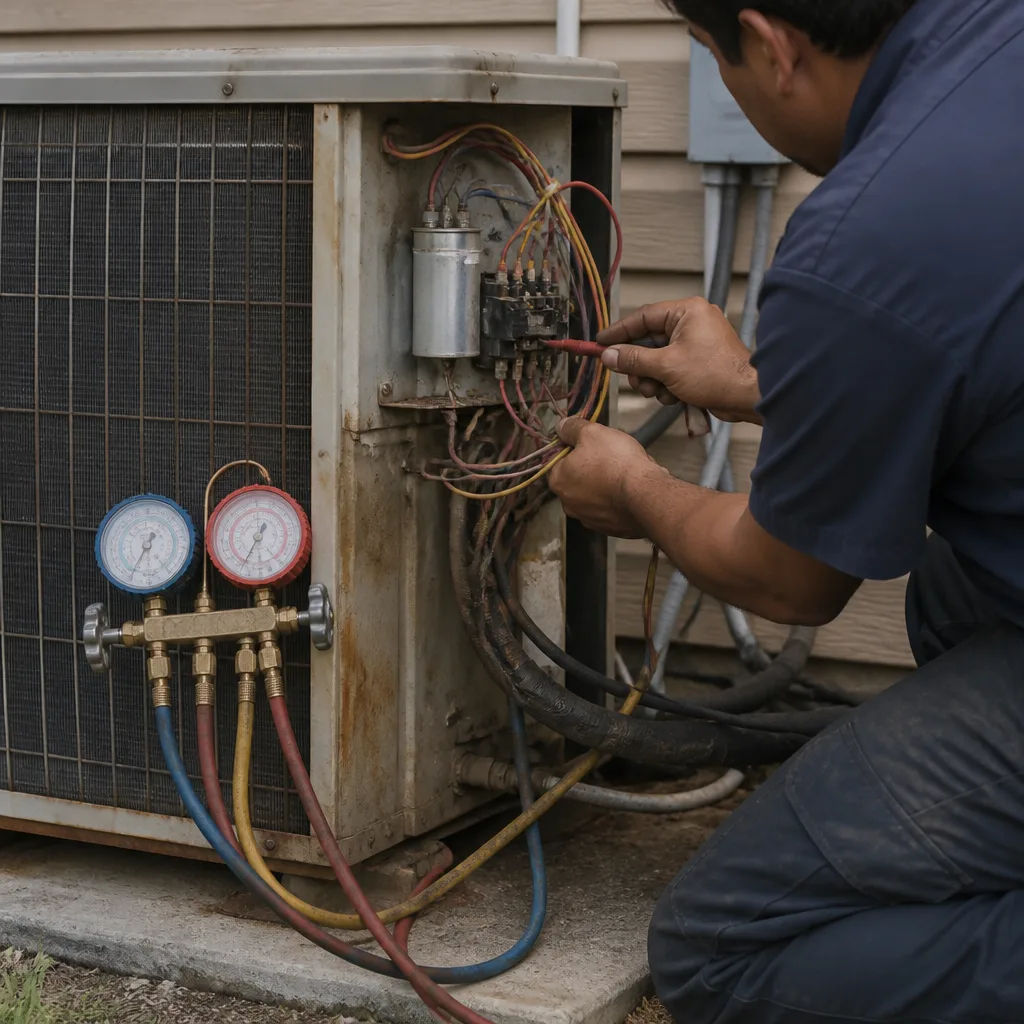 Before
 After
After Before
 After
After Before
 After
After