
Last updated October 16, 2026
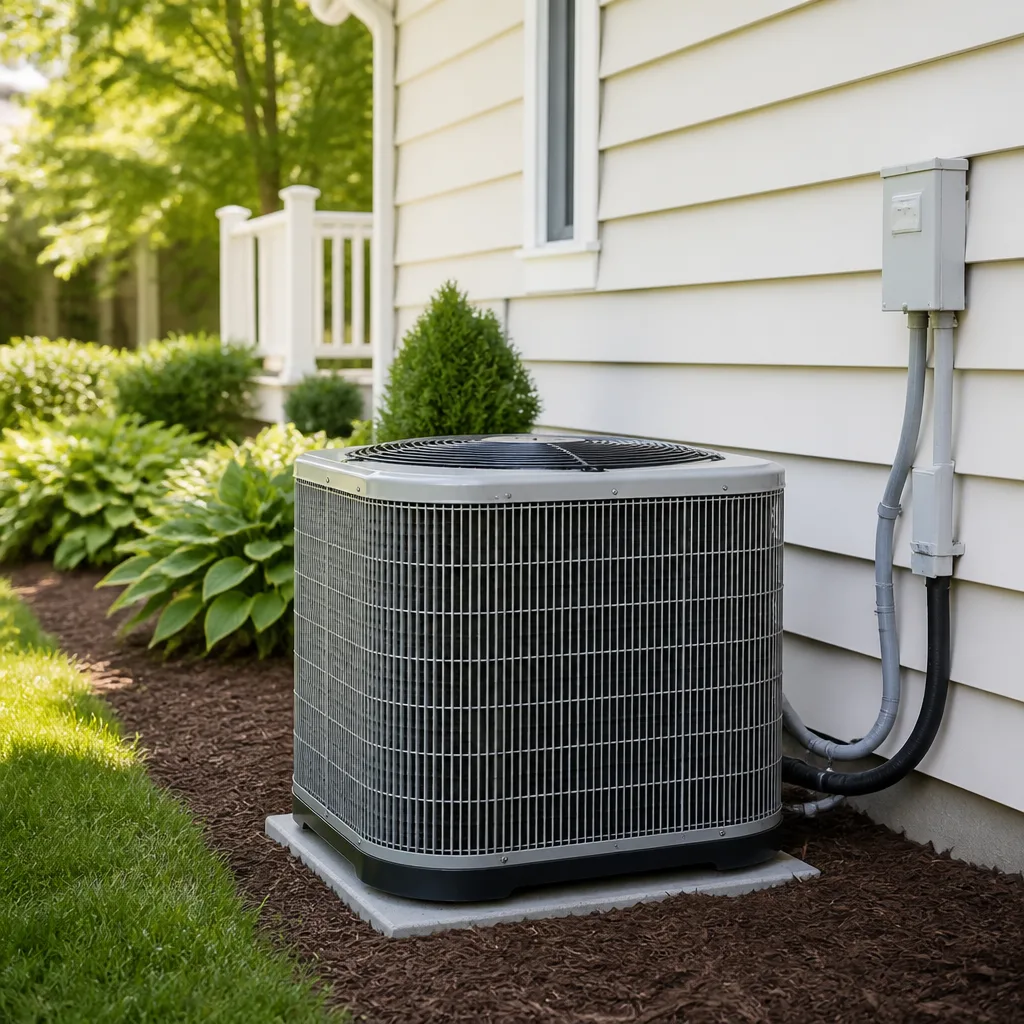 AC repair
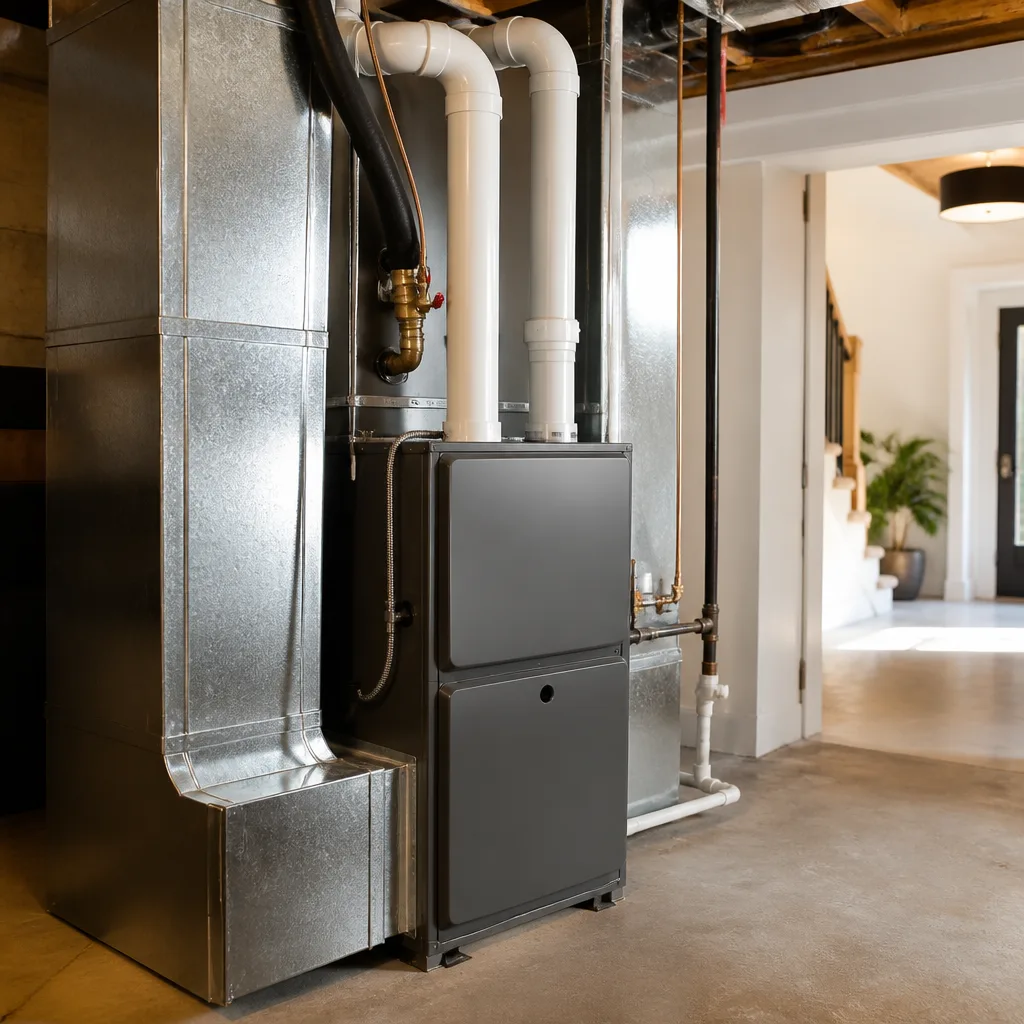 Furnace & heating
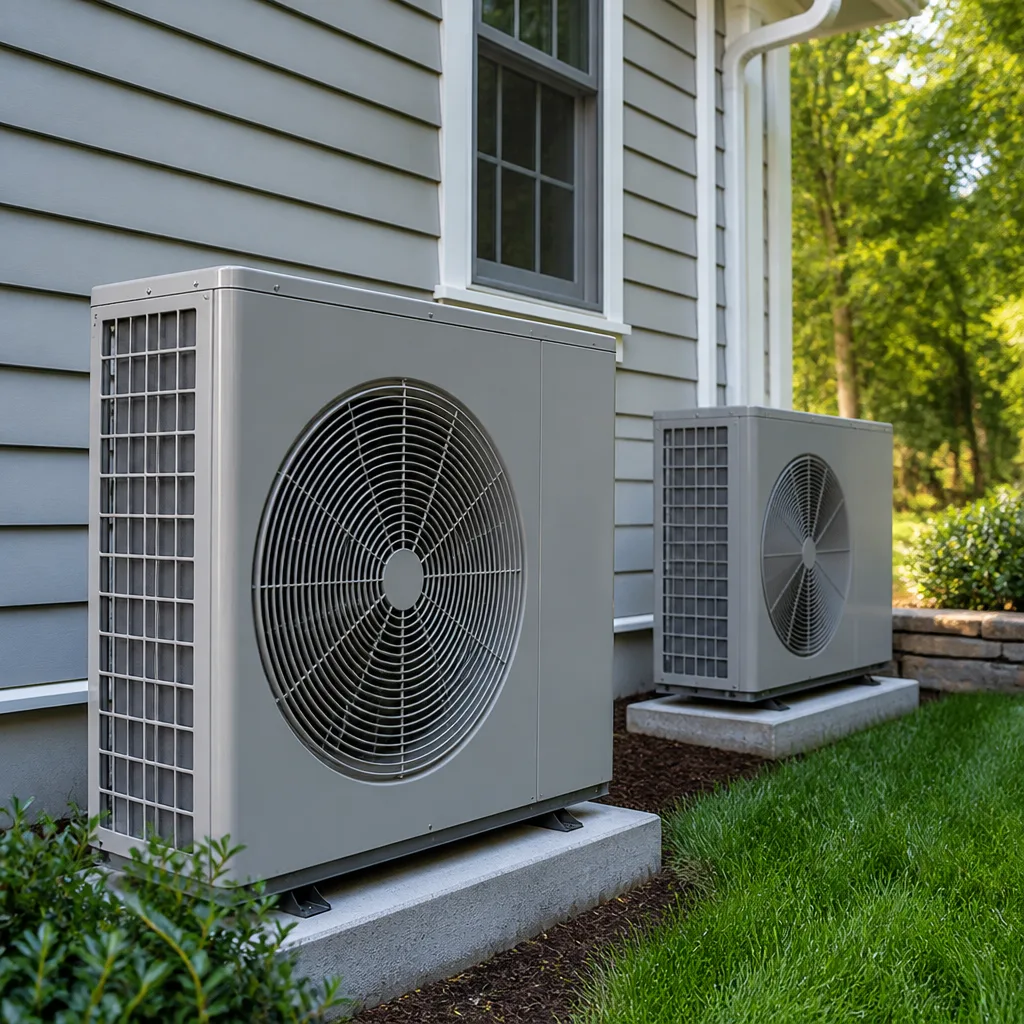 Heat pumps
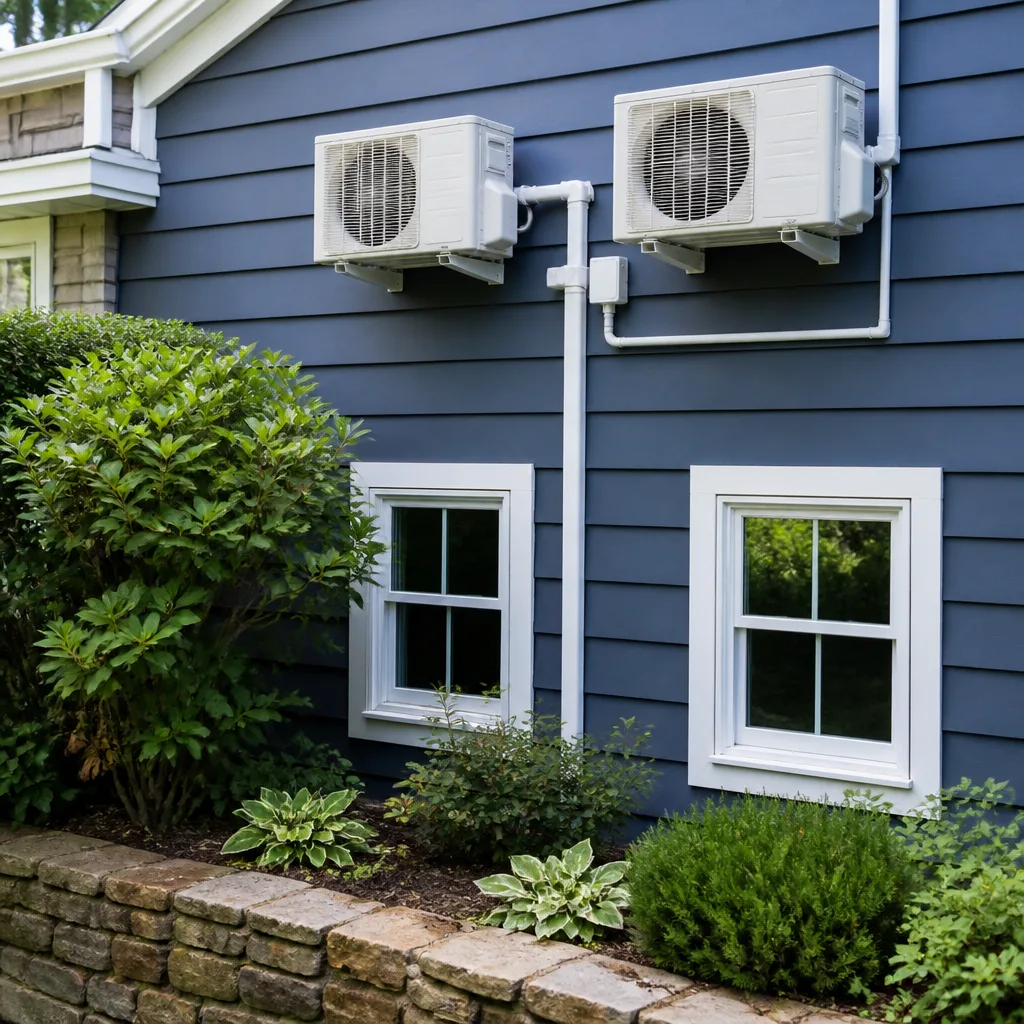 Ductless mini splits
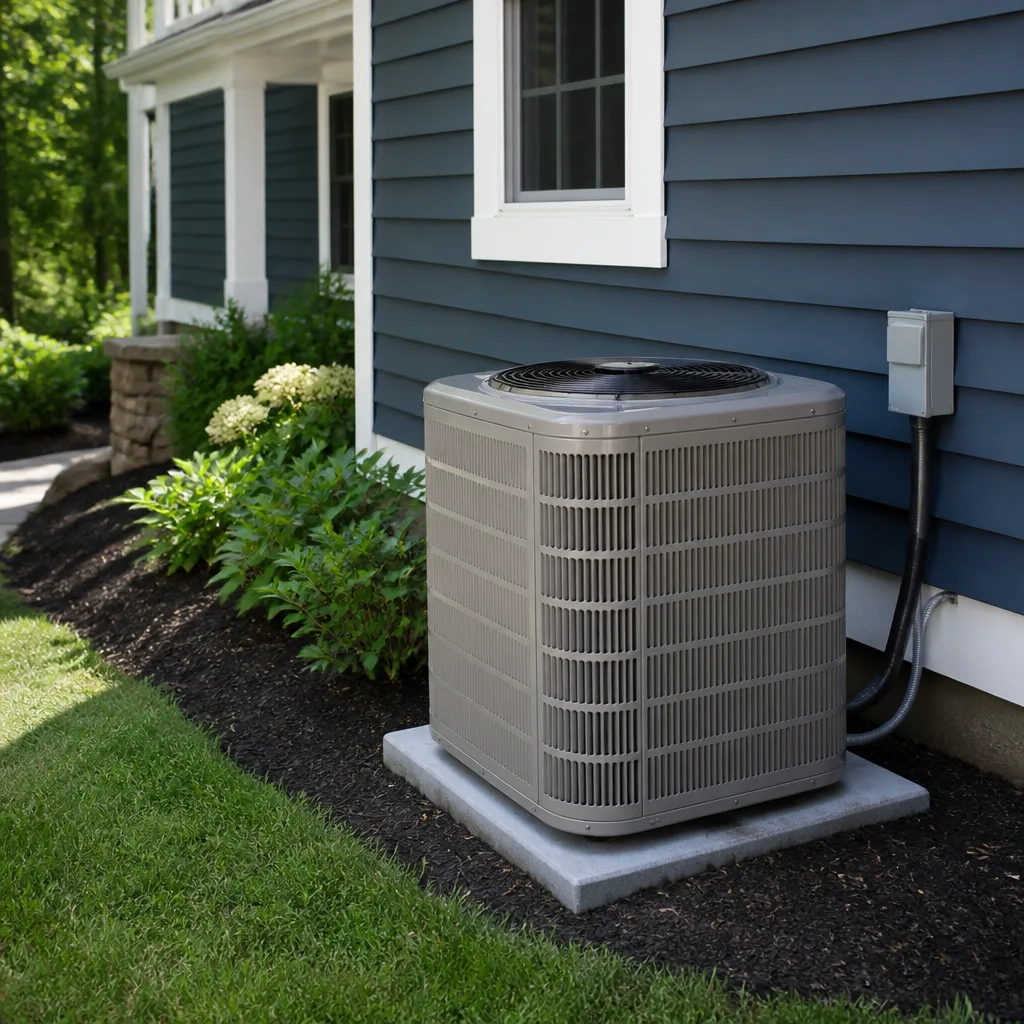 Carrier
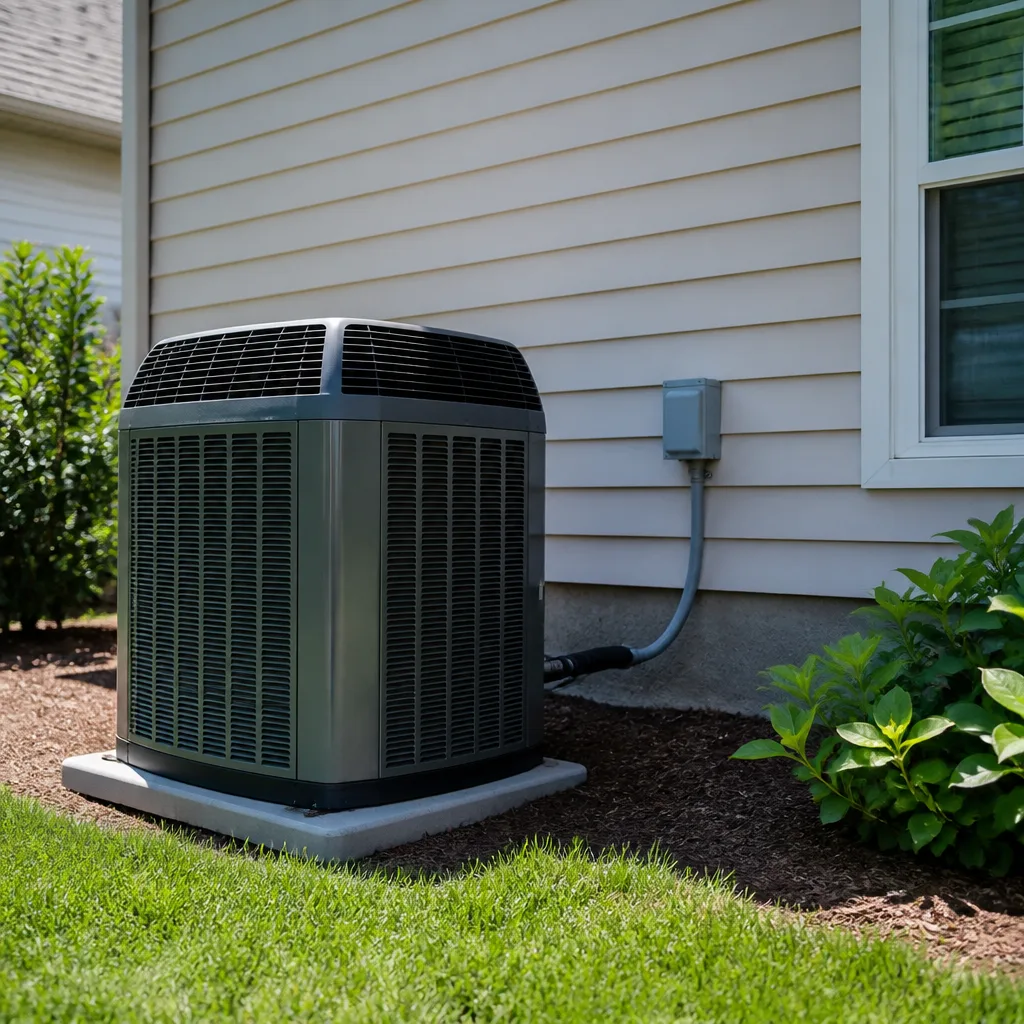 Trane
Trane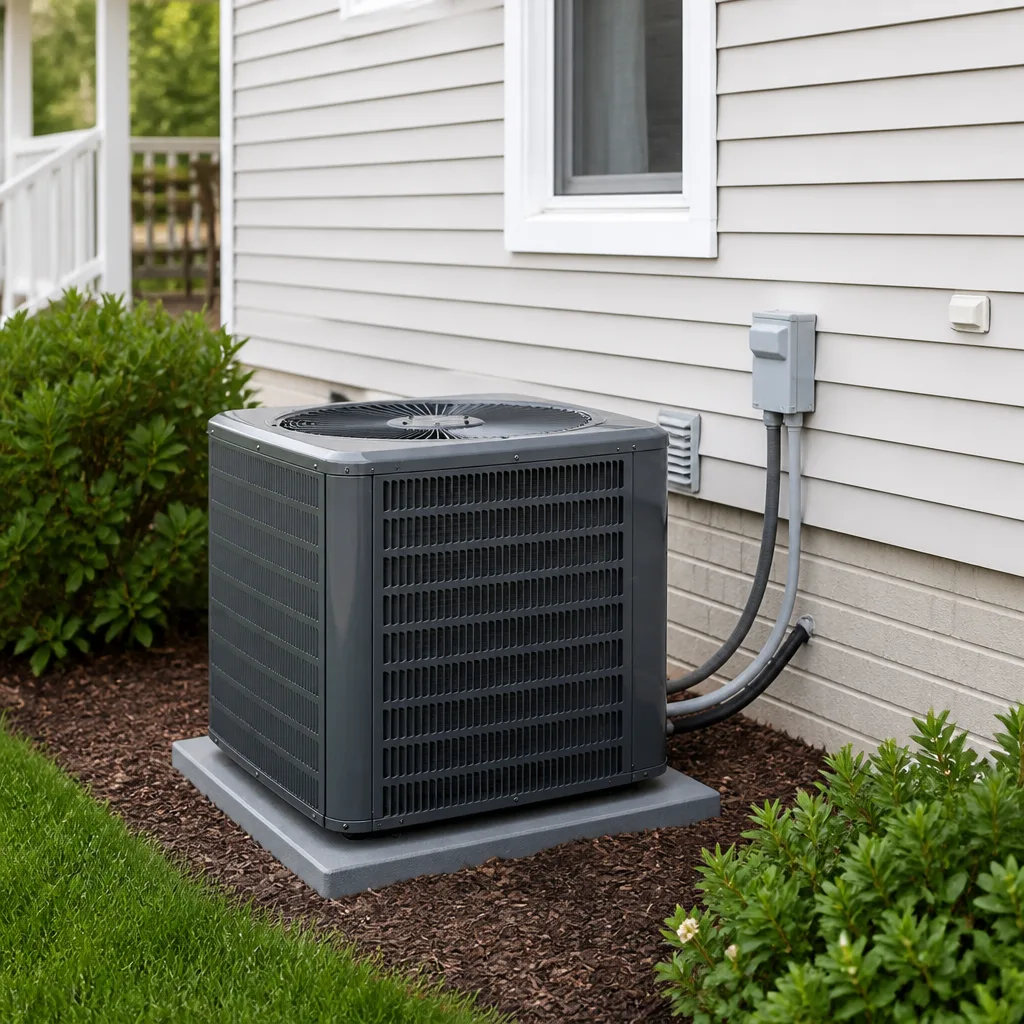 Goodman
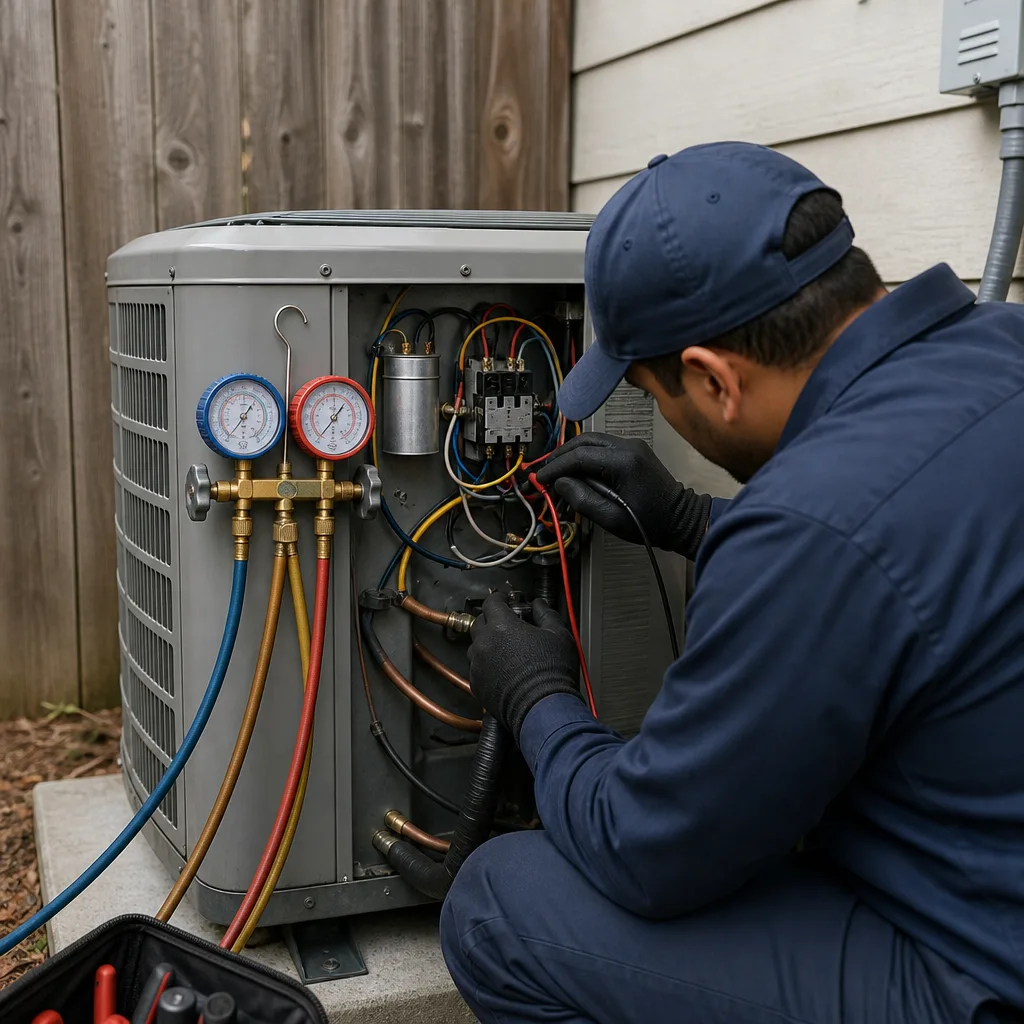
Seasonal tune-up and full diagnostic on your Carrier, Trane, or Goodman system - readings shown to you before any repair is proposed
Diagnosis first, numbers second - you approve the repair price before a single part goes in.
Get your free estimateThe Complete Guide to HVAC in San Antonio
San Antonio averages more than 220 days a year above 80°F, yet most HVAC guides written for Texas homeowners give the same advice they’d give someone in Dallas or Houston, cities with meaningfully different humidity profiles, soil conditions, and utility pricing. That generic advice costs San Antonio families real money: oversized equipment that short-cycles, ductwork that shifts with caliche soil, and utility bills that reflect someone else’s climate. This guide is written from inside San Antonio, for the houses we actually work in, and it covers the specific decisions that determine whether your system keeps up in August, holds through a February freeze, and doesn’t quietly waste energy all the months in between. For more guides & resources tailored to local conditions, see our full library.
Quick Answer
HVAC in San Antonio means choosing equipment sized for 100°F-plus summers and occasional hard freezes, scheduling maintenance before peak season hits, and understanding that caliche soil, CPS Energy rates, and humidity patterns change the math on what’s actually worth paying for. A well-maintained system here typically lasts 12 to 15 years, with tune-ups twice a year catching most failures before they strand a family in the heat. The right decisions depend on your specific home, but the wrong ones are predictable and expensive, and this guide explains how to avoid them.
Styles & brands we work with
Table of Contents
- San Antonio’s Climate Reality: What Your HVAC Is Actually Up Against
- How Caliche Soil and Slab Foundations Affect Your Ductwork and Equipment
- Equipment Sizing and SEER2: What Actually Pays Back in San Antonio
- Heat Pump vs. Gas Furnace: The San Antonio Calculus
- CPS Energy Rates and Smart Thermostat Strategy in San Antonio
- The Maintenance Schedule That Works for San Antonio Homes
- What “Done” Really Means: The Post-Job Walkthrough Checklist
- Common Mistakes to Avoid
- When to Call a Professional
- Frequently Asked Questions
San Antonio’s Climate Reality: What Your HVAC Is Actually Up Against
San Antonio sits at the meeting point of three climate zones: the humid coastal plain to the southeast, the drier Hill Country to the northwest, and the subtropical brush country to the south. That positioning gives the city a split personality that shapes every HVAC decision a homeowner makes. From May through September, daytime highs routinely cross 95°F, with dew points that can push past 70°F on the east side of the city near Kirby and Converse. That combination, high temperature plus high humidity, is exactly what makes an air conditioner work at its hardest, because the system has to remove both sensible heat and latent moisture from the air.
Then comes winter. San Antonio’s occasional hard freezes, the kind that burst pipes in Castle Hills and Terrell Heights, arrive fast and leave fast, but they demand a heating system that can respond immediately, not one that needs an hour to warm up. Homes in Alamo Heights and Monte Vista, many built before modern insulation standards, lose heat quickly through original single-pane windows and uninsulated crawl spaces. Newer construction in Stone Oak and Cibolo holds heat better, but it also traps humidity, which changes ventilation needs entirely.
A system sized only for the hottest day of the year will short-cycle through every milder day, which means it runs in short bursts, never reaches full efficiency, and wears out its compressor years early. A system sized only for winter comfort will struggle to dehumidify in summer, leaving the house clammy even when the thermostat reads 72°F. The San Antonio answer is a properly load-calculated system that accounts for both extremes, and that calculation has to be done per house, not per neighborhood, because two identical floor plans on the same street can have materially different cooling loads depending on tree cover, window orientation, and whether the attic has radiant barrier.
How Caliche Soil and Slab Foundations Affect Your Ductwork and Equipment
If you dig more than a few feet down in most of San Antonio, you hit caliche, a hard layer of calcium carbonate that ranges from crumbly chalk to near-concrete. Above that layer sits expansive clay that swells when wet and shrinks when dry. The result is a foundation environment that moves, not dramatically, but enough over years to matter. When a slab shifts even a quarter inch, the HVAC equipment sitting on it shifts too, and so do the duct runs buried beneath it or routed through interior walls.
We see this regularly in neighborhoods like Oak Hills and Jefferson, where 1970s and 1980s slab homes have settled slowly. The symptoms show up in specific ways: a condensing unit pad that’s no longer level, which stresses the refrigerant lines and compressor mounts; return air ducts that have pulled slightly apart at the seams, which lets attic air get pulled into the system and forces it to work harder; and supply runs that have sagged in the middle, which creates airflow resistance and uneven temperatures between rooms.
The fix starts with inspection, not replacement. A technician who understands San Antonio soil will check equipment level first, because an unlevel outdoor unit wears its compressor unevenly and can fail years before its rated life. Then they’ll check duct connections at the plenum and at each register boot, because those connection points are where slab movement shows up first. And they’ll check the condensate drain slope, because a floor that’s settled a half inch can leave a drain line barely pitched, which leads to standing water, algae growth, and a flood inside the closet or utility room.
What homeowners can do: keep the area around the outdoor unit clear of soil buildup, watch for gaps opening around the pad, and if your floors have developed a noticeable slope over the years, mention it to your HVAC technician before they start the tune-up. It changes where they look.
Equipment Sizing and SEER2: What Actually Pays Back in San Antonio
Since January 2023, new cooling equipment is rated under SEER2, a revised efficiency metric that reflects more realistic operating conditions than the old SEER scale. Under SEER2, a typical San Antonio home with a gas furnace and central AC does fine with equipment rated between 15.2 and 17 SEER2, and most families will never recover the premium for anything above 19 SEER2. That upper-tier equipment is quieter and more refined, but in a market where a full AC Installation in San Antonio already runs between $8,500 and $15,000 depending on home size, the incremental cost of top-tier efficiency usually doesn’t pencil out on utility savings alone.
What does pay back in San Antonio is correct sizing. An oversized system is the single most common installation mistake we correct, and it’s a problem that compounds every year. A system that’s too big cools the house down fast, then shuts off before it has run long enough to pull moisture out of the air. The thermostat says 72°F, but the house feels sticky, and the homeowner responds by turning the temperature down, which makes the problem worse and the bill higher. In Stone Oak and the Dominion, where homes are larger and air volumes are higher, this dehumidification issue is especially noticeable.
The variables that determine your specific sizing include square footage, ceiling height, window area and orientation, insulation type and depth, number of occupants, and whether the kitchen has a gas or electric range, because a gas range adds both heat and moisture to the air. A proper Manual J load calculation accounts for all of these. A salesperson who quotes a system based only on square footage is guessing, and in San Antonio’s humidity, guessing usually means oversized. Before you commit, read How to Hire a HVAC Contractor in San Antonio: A Step-by-Step Guide to know what qualifications to verify.
For families planning to stay in the house five years or more, a variable-speed compressor is often the most meaningful upgrade, not because of the efficiency gain, but because it holds temperature more evenly and runs quietly at part load, which matters on spring and fall days when a single-stage system would be blasting cold air for ten minutes then shutting off. The comfort difference is real, and in a two-story home where the upstairs runs warm, a variable-speed system paired with a properly zoned duct system does more than any single high-SEER2 number ever will.
Heat Pump vs. Gas Furnace: The San Antonio Calculus
San Antonio’s mild winters would seem to make it ideal heat pump territory, and for many homes that’s true. A heat pump is basically an air conditioner that can run in reverse, pulling heat from outdoor air and moving it inside. In a climate where winter lows rarely dip below 30°F, a modern cold-climate heat pump can handle almost all the heating a San Antonio home needs, and it does so more efficiently per dollar than electric resistance strips.
But the calculus shifts when you look at San Antonio’s specific conditions. First, the city’s occasional hard freezes, like February 2021, are rare but severe enough that a heat pump alone, without a backup heat source, leaves a family vulnerable at the worst possible moment. Second, CPS Energy’s rate structure charges more per kilowatt-hour as your usage climbs, which means the electric heat produced during an unusual cold snap is the most expensive electricity you’ll buy all year.
For homes with existing natural gas service, a dual-fuel or hybrid setup is often the smartest choice: a heat pump handles cooling and mild-weather heating, and a gas furnace takes over when temperatures drop below about 35°F, when heat pump efficiency starts to decline and gas becomes the cheaper, faster source of heat. This arrangement costs more upfront than either system alone, but it hedges against both extremes, and in San Antonio, where the climate refuses to pick a lane, that hedge has real value. Not sure whether to tackle planning yourself? Our DIY vs Professional HVAC: The San Antonio Homeowner’s Decision Guide breaks down when expert help pays off.
For homes without gas service, which includes many neighborhoods on the far west side and in some newer developments, a cold-climate heat pump with electric backup strips is the practical choice, and modern inverter-driven units from Meadowsweet Heating and Air San Antonio home are far better than the heat pumps of a decade ago. The key is honest guidance on what the system can and can’t do in a hard freeze, and how to use the thermostat so the backup strips only run when truly needed.
CPS Energy Rates and Smart Thermostat Strategy in San Antonio
CPS Energy, San Antonio’s municipal utility, uses a tiered rate structure that increases the price per kilowatt-hour as monthly consumption rises. A home that stays under about 600 kWh per month in a mild season pays a low rate. A home that crosses into the second and third tiers during summer pays meaningfully more for every additional kilowatt-hour. This rate design changes the smart thermostat advice that generic guides repeat, because the common recommendation to “set the temperature 7 to 10 degrees higher while you’re away” creates a recovery load when you return, and that recovery load often lands right in the late afternoon, when the tiered meter is already spinning fast.
The better San Antonio strategy is to moderate setbacks. A 4 to 5 degree setback during weekday work hours keeps the house from fully heat-soaking, which reduces the size of the recovery load when the system ramps back up around 4 or 5 p.m., exactly when CPS Energy’s summer demand is highest and when air conditioners across the city are all starting at once. That synchronized startup is why CPS Energy runs demand response programs, because grid stress in San Antonio peaks on summer weekday afternoons, and every individual thermostat matters.
Ceiling fans are another underused tool in San Antonio’s humidity. A fan moving air across your skin makes a room feel 4 degrees cooler, which means you can set the thermostat to 77°F or 78°F and still feel comfortable, cutting cooling costs by a measurable margin. But fans cool people, not rooms, so they should be turned off when the room is empty. Many San Antonio homes have ceiling fans installed but never used strategically, and that’s free cooling left on the table.
For homes with two stories, register and damper management does more than any thermostat tweak. Warm air rises, and in San Antonio summers, the upstairs can run 8 to 10 degrees warmer than the downstairs unless airflow is deliberately balanced. In spring, partially close the downstairs registers and open the upstairs ones to push more cooled air upward. In winter, reverse the pattern. It’s a five-minute seasonal adjustment that costs nothing and materially improves comfort.
The Maintenance Schedule That Works for San Antonio Homes
San Antonio’s long cooling season and occasional hard freezes put two distinct stress cycles on an HVAC system each year, and the maintenance schedule that works here is timed to those cycles. In our experience, the homes that avoid emergency breakdowns are the ones that catch problems in April and October, before the extreme weather arrives.
Here’s the schedule we recommend:
- Late March or early April: Cooling season prep. This visit includes a coil inspection, refrigerant level check, capacitor test, condensate drain clearing, and air filter replacement. If the system has a weak capacitor or a slow refrigerant leak, this is when it gets caught, not in July.
- June through August: Monthly air filter check during peak pollen and dust season. San Antonio’s oak and juniper seasons are brutal on filters, and a clogged filter forces the blower motor to work harder, raising energy use and shortening motor life.
- Early October: Heating season prep. This visit includes burner or heat strip inspection, carbon monoxide check on gas systems, thermostat calibration, and duct inspection. San Antonio’s heating season is short but intense, and a furnace that fails during a February cold snap is a genuine emergency.
- November through February: Air filter check every 6 to 8 weeks, especially if you have pets or if anyone in the house has allergies. San Antonio’s mild winters tempt people to leave windows open, which pulls dust into the return air stream.
- Anytime you notice a symptom: Reduced airflow from vents, warm air from a cooling system, unusual noise, unexplained energy bill increases, or any smell that doesn’t belong. Early diagnosis is almost always cheaper than repair-after-failure.
A maintenance visit with AC Repair in San Antonio should end with a written report of what was checked, what was found, and what, if anything, needs attention. If a technician can’t or won’t tell you what they actually did, that’s not maintenance, that’s a mystery, and it’s not worth paying for.
What “Done” Really Means: The Post-Job Walkthrough Checklist
Most homeowners evaluate an HVAC job by walking over to the thermostat, feeling cold air, and paying the invoice. But there’s a set of questions you should ask before the technician leaves, questions that separate a job that’s mechanically complete from a job that’s actually done. We’ve built our own process around these, and they’re worth asking of any company you work with.
- Can you show me the equipment pad is level? On San Antonio clay, a pad that’s out of level by even half an inch will stress the compressor over time. Ask to see a level placed on the unit.
- Can you walk me through the refrigerant readings? Superheat and subcooling numbers tell you whether the charge is correct. A technician who can explain the readings is a technician who actually measured them.
- Are the condensate drain and safety switch working? Ask to see the drain cleared and the float switch tested. A failed float switch is the most common cause of a flooded utility closet, and San Antonio humidity makes clogged drains a constant issue.
- Is the duct system sealed at the connections? Ask whether any duct seams at the plenum or register boots needed sealing, and whether they were checked. Leaky ducts cost money every single day.
- Was anything moved, and was it put back exactly? A good crew asks before moving anything and puts it back where it was. A crew that leaves a furniture arrangement slightly off is a crew that wasn’t paying attention to your home.
- Can you show me the clean-up? Shoe covers and drop cloths should have been used. If the job involved cutting metal or ductwork, the area should be vacuumed or swept. A company that cares about how the house looks after the work is a company that cares about the work itself.
At Meadowsweet Heating and Air San Antonio, every job ends with a photo of the clean-up sent to the homeowner before the crew leaves. The Cedarwell Care Promise includes that photo, along with a written price before any work starts and a 365-Day Done Right Promise that stands behind the entire job. Those may sound like paperwork, but they’re what “done” actually looks like.
Common Mistakes to Avoid
- Skipping the April tune-up to save money. A $120 to $180 maintenance visit in April prevents most of the $800 to $2,500 compressor, capacitor, or drain emergencies that happen in July and August, and in San Antonio, those emergencies always happen at the worst possible moment.
- Closing registers in unused rooms. This raises static pressure in the duct system, which reduces total airflow and makes the blower motor work harder. In a San Antonio summer, the system needs every bit of airflow it was designed to move.
- Setting the thermostat to 68°F on a 102°F day. A system sized for a proper load calculation can’t sustain that temperature differential, and the attempt drives energy use into CPS Energy’s highest rate tiers. 75°F to 78°F with fans running is the realistic comfort range.
- Ignoring the condensate drain until it overflows. San Antonio’s humidity and pollen combine to clog condensate drains frequently, and a clogged drain can flood a closet, hallway, or utility room with surprising speed. This is a five-minute fix if caught early.
- Buying an air filter based on price alone. Dense pleated filters restrict airflow on many residential systems, forcing the blower to work harder. A mid-efficiency filter, MERV 8 to 11, changed on schedule, is the sweet spot for most San Antonio homes.
- Replacing the outdoor unit without touching the indoor coil. Mismatched components reduce efficiency and shorten equipment life. A proper Furnace Repair in San Antonio or AC replacement considers the entire system, not just the failed part.
- Assuming a home warranty will handle it. Home warranty companies often take days to schedule a repair during San Antonio’s peak heat, and their choice of contractor is not something you get to control. A relationship with a local HVAC company is the faster, more reliable path.
When to Call a Professional
Call a professional when your system runs but doesn’t cool, when it short-cycles on and off every few minutes, when you hear grinding, squealing, or banging, when your energy bill jumps without an obvious explanation, or when you see water pooling around the indoor unit. Call the same day if anyone in the house has a respiratory condition and the air smells musty, because that smell often indicates mold in the ductwork or coil. And call before you replace anything: a good company will diagnose first, give you a written price, and let you decide. Meadowsweet Heating and Air San Antonio offers free estimates in San Antonio. Call (254) 271-2545 and a live person will answer, any hour, any day.
Frequently Asked Questions
Most full system replacements in San Antonio fall between $8,500 and $15,000 installed, depending on home size, efficiency tier, and whether ductwork modification is needed. For a detailed breakdown of where that money goes, see our HVAC Cost Breakdown: The San Antonio Homeowner’s Reference for 2026. A simple AC-only replacement in a smaller home may run $6,000 to $8,000, while a high-efficiency heat pump with gas backup in a large two-story can exceed $18,000. Call (254) 271-2545 for a written quote specific to your house, free of charge.
Twice a year is the right schedule for most San Antonio homes: once in early spring before the cooling season and once in early fall before cold weather arrives. Homes with pets, allergy concerns, or heavy pollen exposure benefit from checking the air filter monthly, and any system over 10 years old should be watched more closely.
Set the thermostat between 75°F and 78°F during summer days, and use ceiling fans to make rooms feel 4 degrees cooler, which lets you stay comfortable at a higher set point and keeps you out of CPS Energy’s most expensive rate tiers. A 72°F setting during a 100°F day is a recipe for a system that runs nonstop and a bill that reflects it.
For most homes, a heat pump handles San Antonio’s mild winters efficiently, but the city’s occasional hard freezes and CPS Energy’s tiered electric rates mean a gas backup or dual-fuel setup is often the safer, more cost-effective choice. The right answer depends on whether your home has gas service and how old your current equipment is.
Warm air rises, and in San Antonio’s two-story homes, the upstairs commonly runs 8 to 10 degrees warmer unless registers and dampers are balanced seasonally. Partially closing downstairs registers in summer and opening the upstairs ones helps push cooled air upward, and a professional airflow assessment can identify duct issues that make the problem worse.
Most systems in San Antonio last 12 to 15 years with proper maintenance, though the intense summer heat and high run hours take their toll faster here than in cooler climates. A system that’s been properly sized, serviced twice a year, and kept on a reasonable thermostat schedule will outlast one that’s been neglected.
The Bottom Line
HVAC in San Antonio is a local problem with local answers. The right equipment is sized for 100-degree summers and occasional hard freezes, installed level on moving soil, and maintained on a schedule that catches problems in April and October instead of July and February. The right thermostat strategy keeps you out of CPS Energy’s most expensive rate tiers without sacrificing comfort. And the right company leaves your home the way a good neighbor would: floors protected, kids and pets undisturbed, and everything explained in writing. That’s the standard we hold ourselves to at Meadowsweet Heating and Air San Antonio, and it’s the standard worth asking for from any HVAC company you invite into your home.
Written by Luis Serrano, Owner at Meadowsweet Heating and Air San Antonio, serving San Antonio since 2004.
See the difference
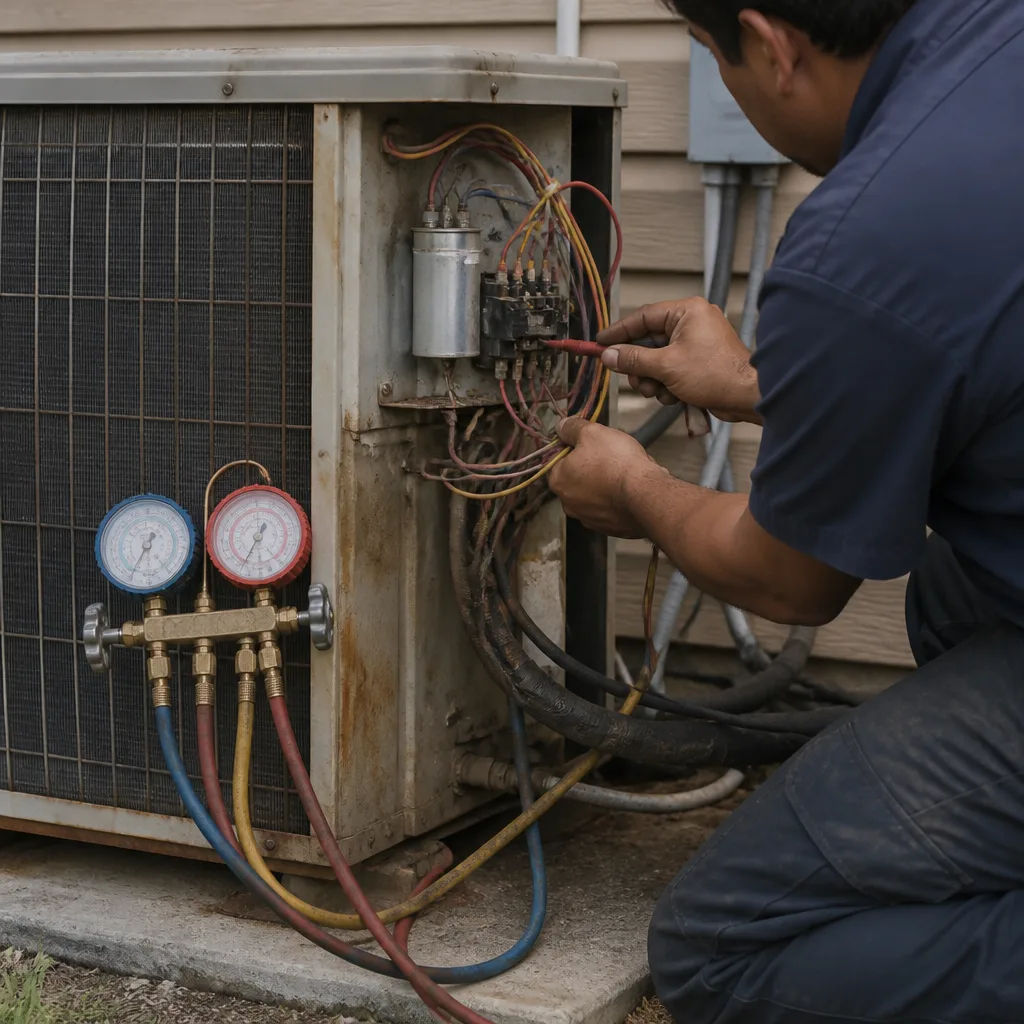 Before
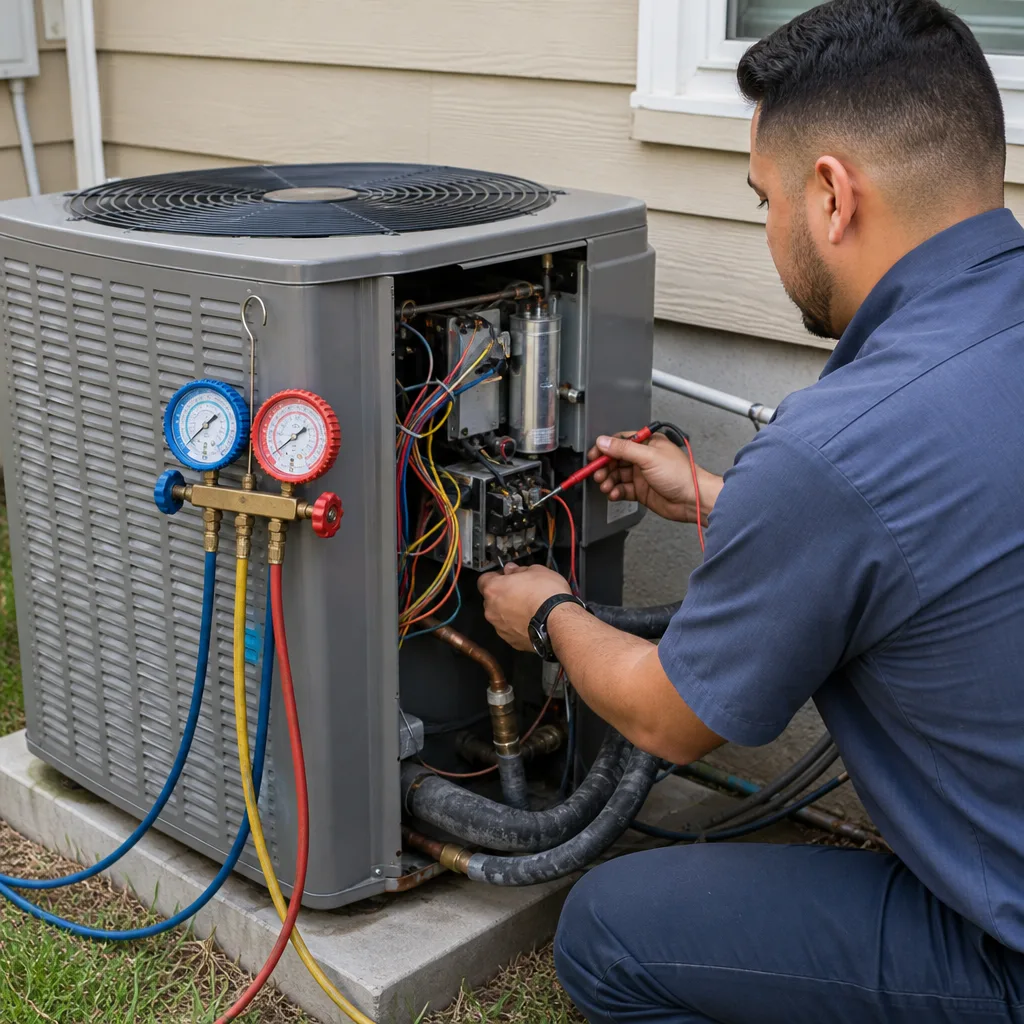 After
After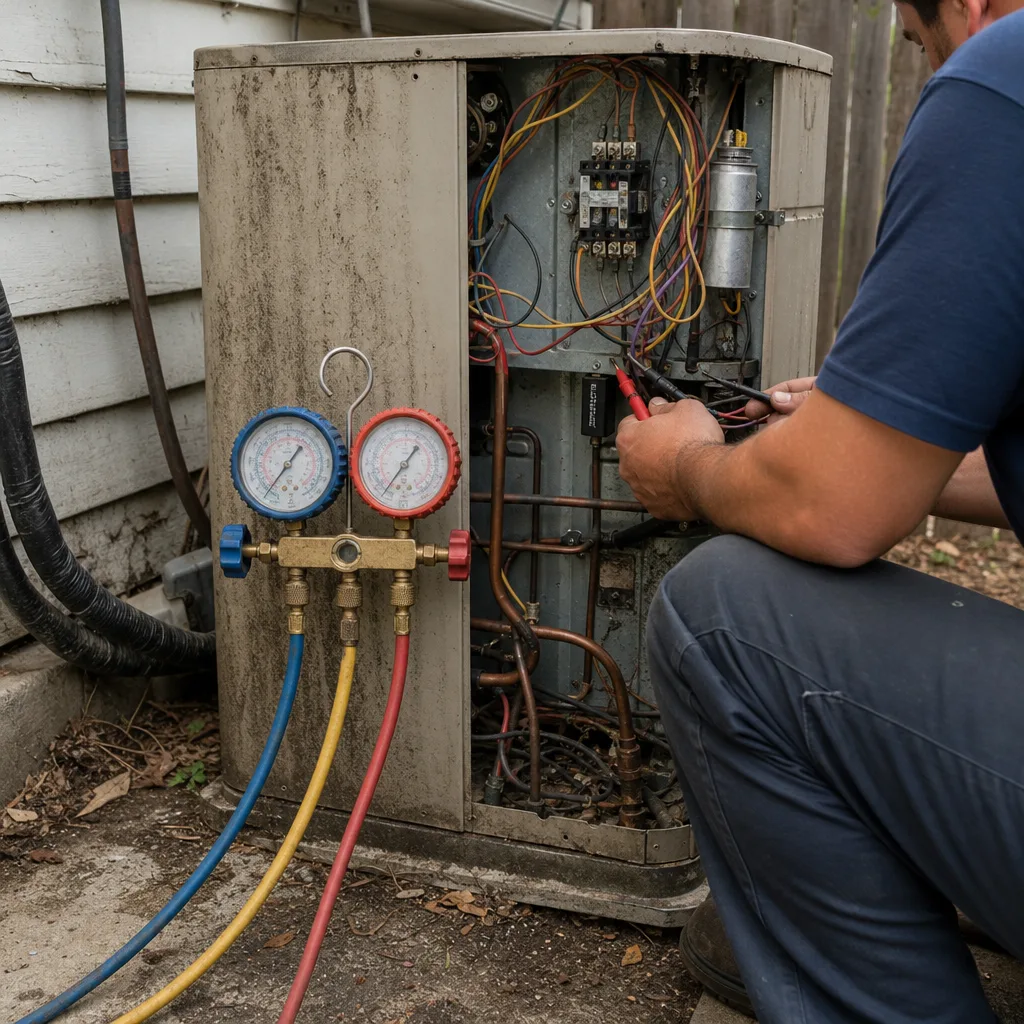 Before
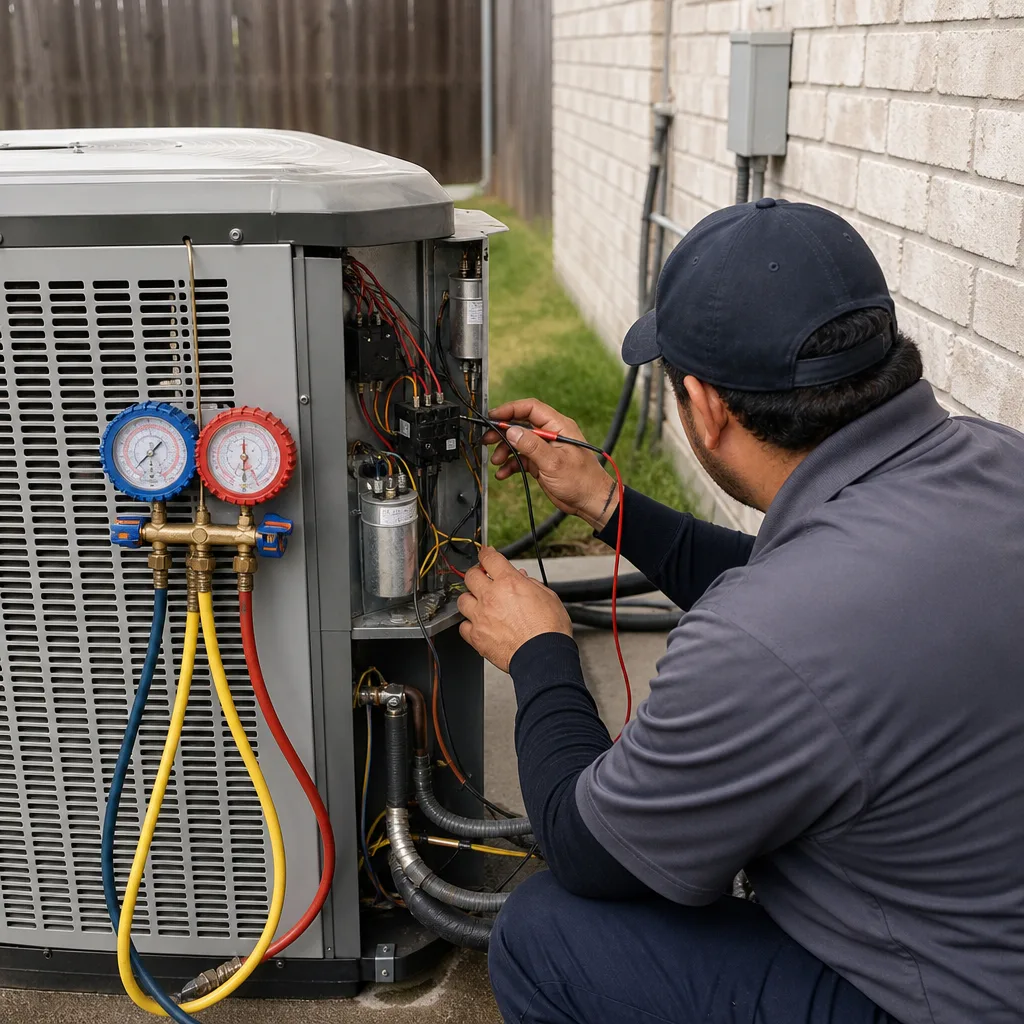 After
After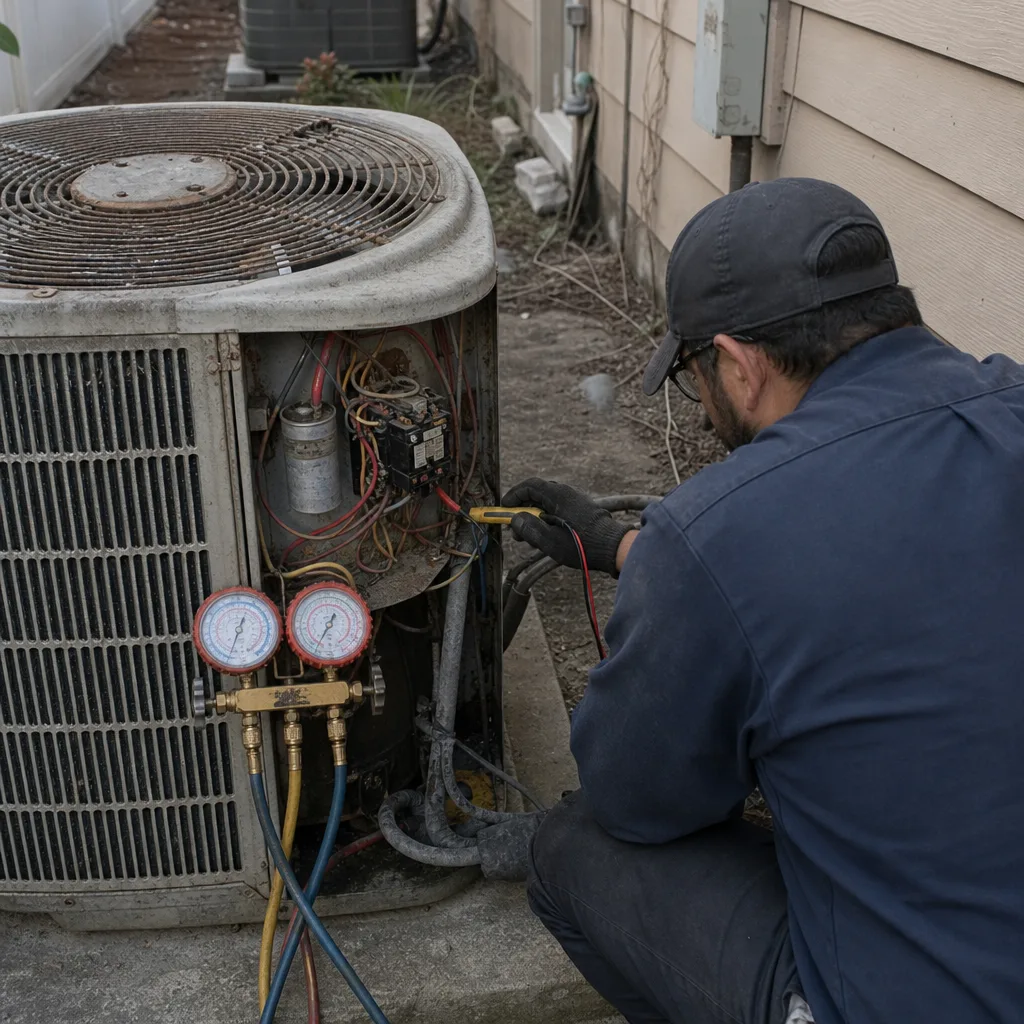 Before
 After
After