
Last updated October 16, 2026
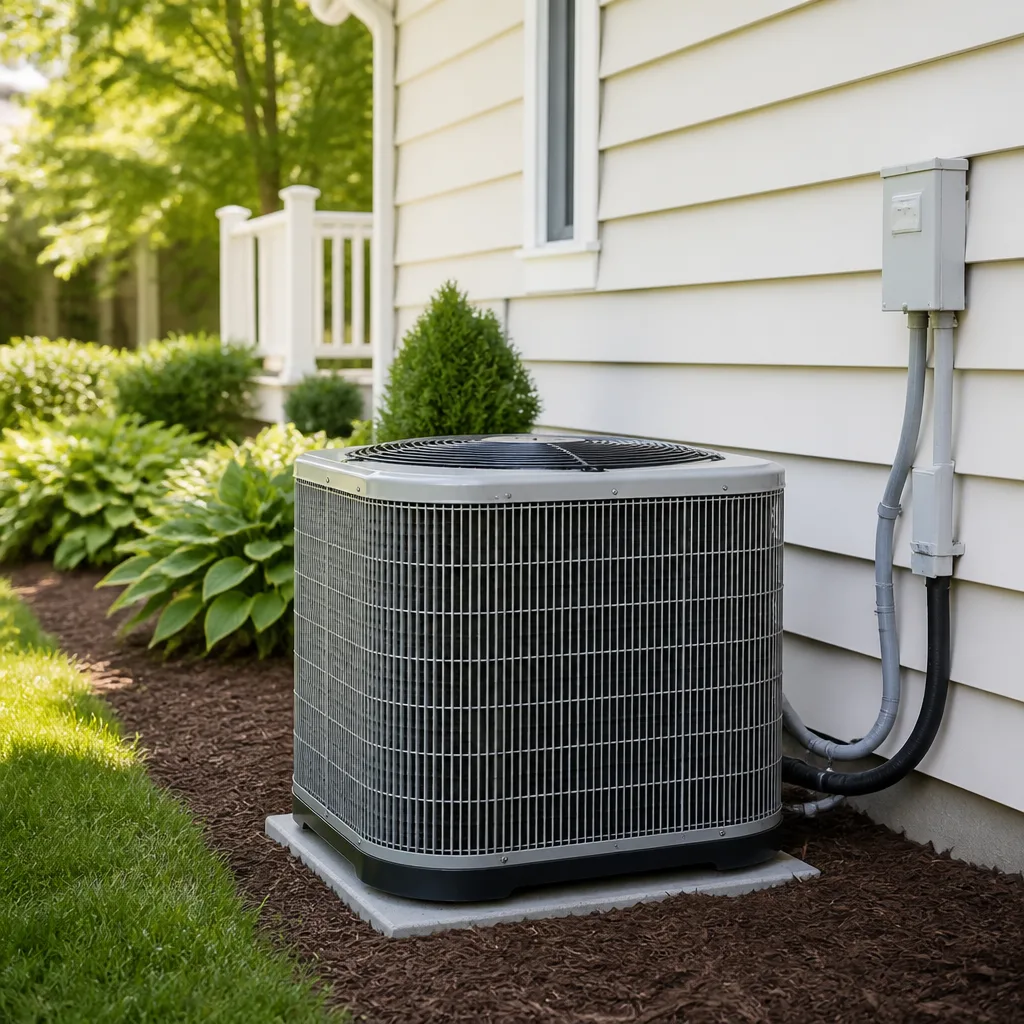 AC repair
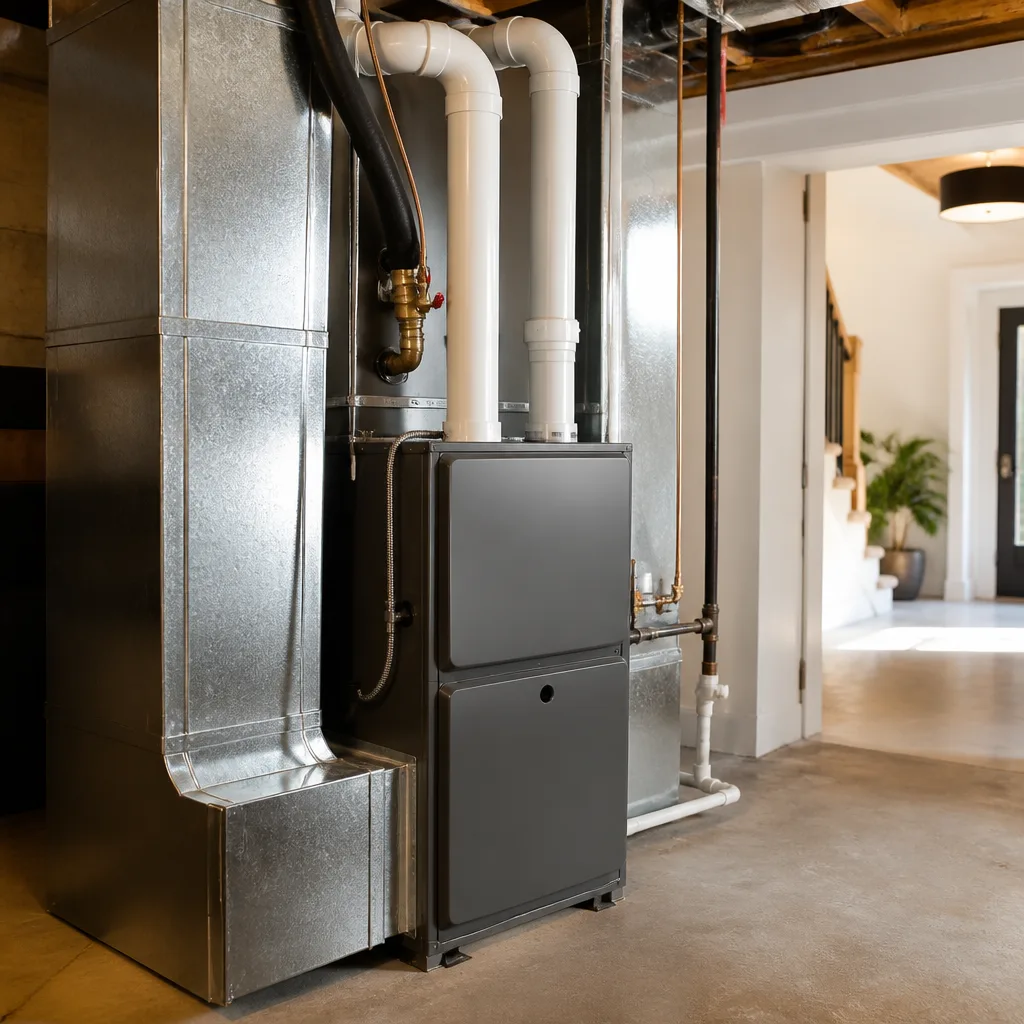 Furnace & heating
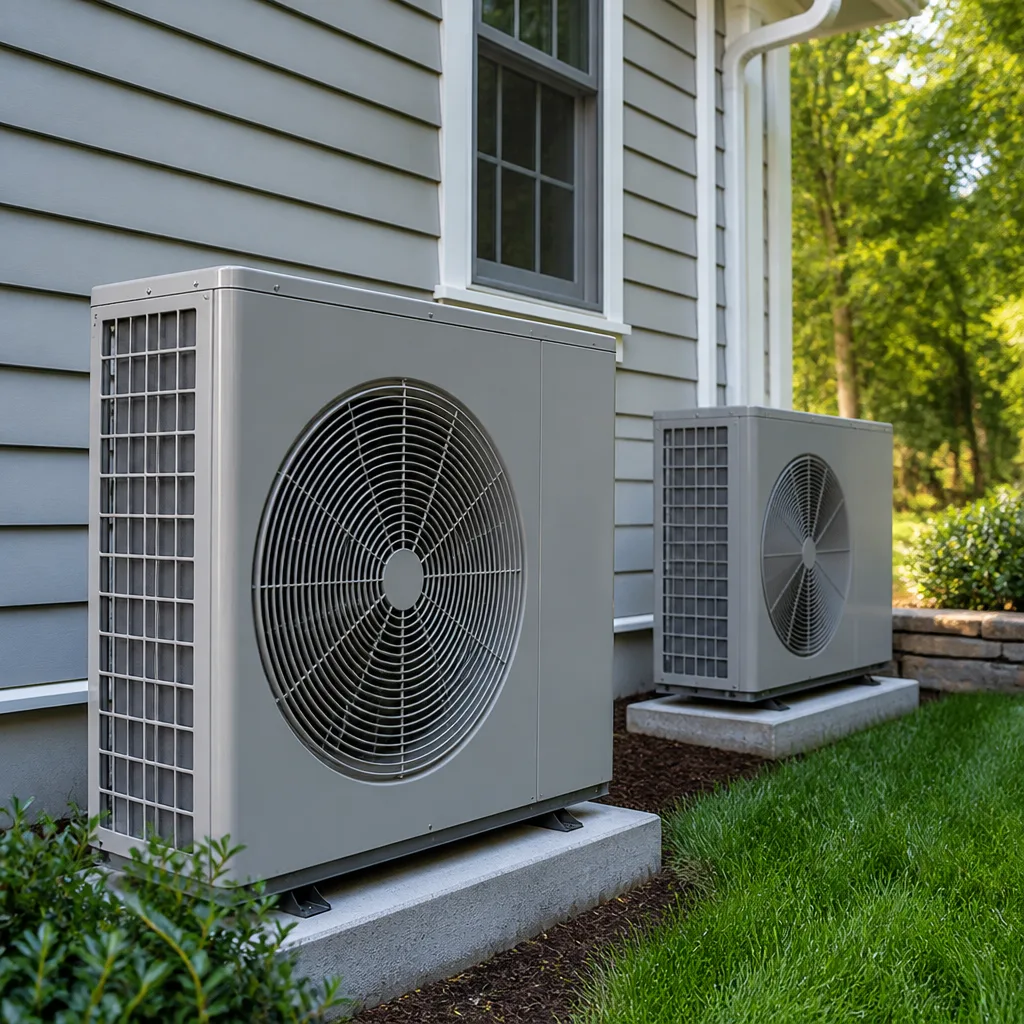 Heat pumps
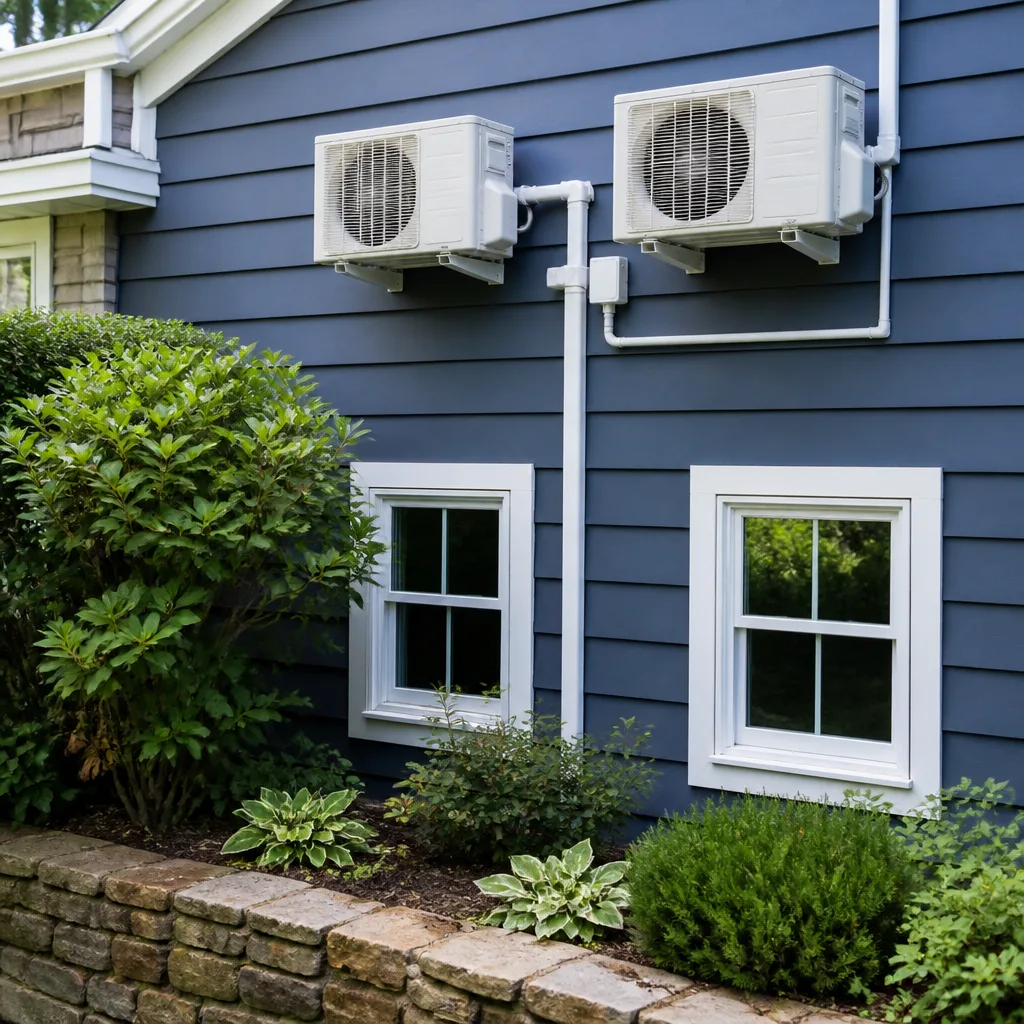 Ductless mini splits
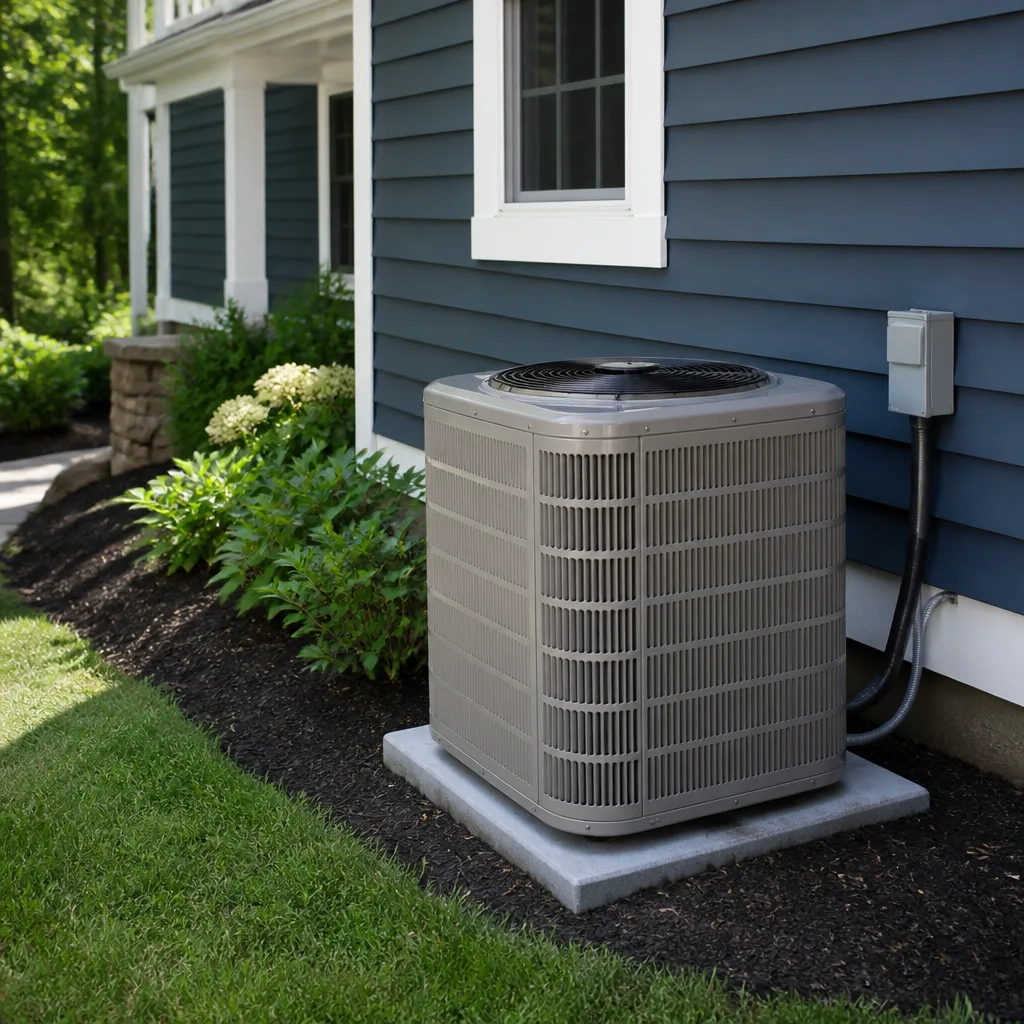 Carrier
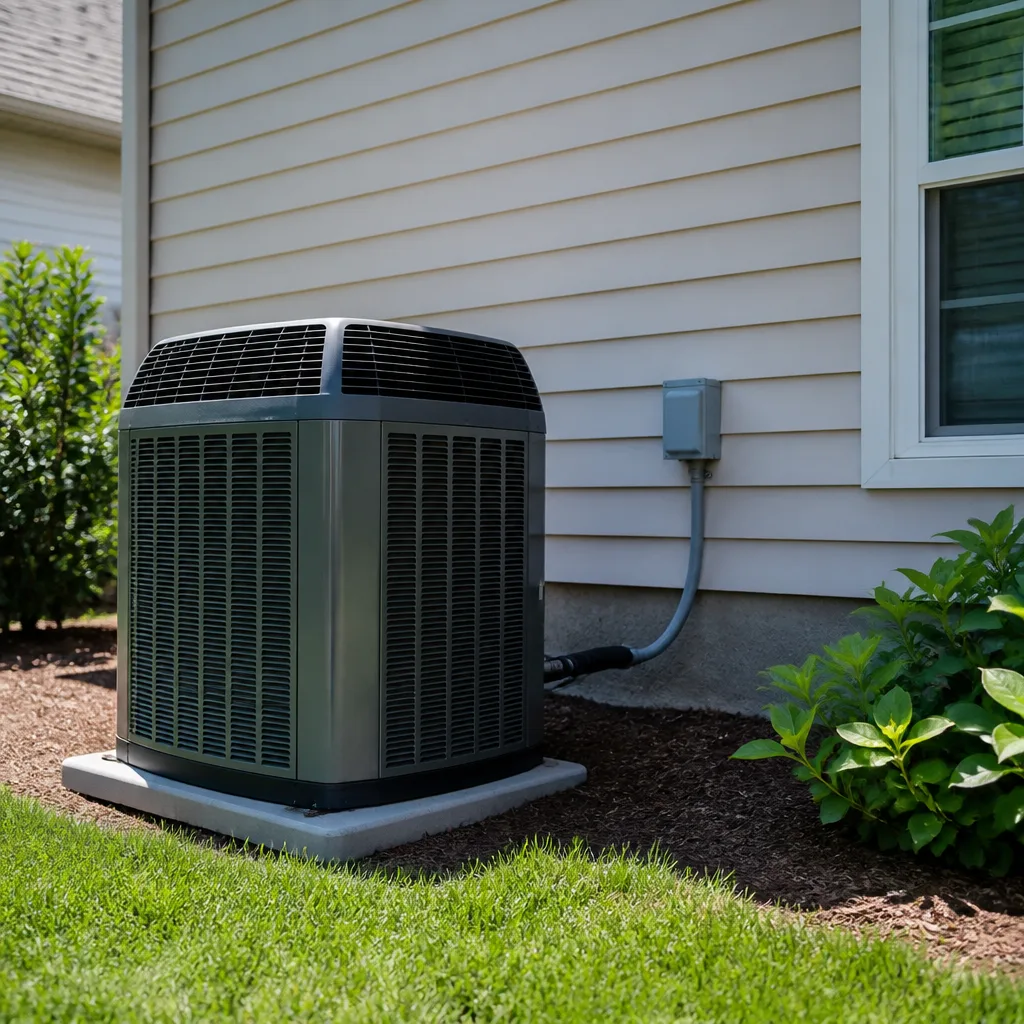 Trane
Trane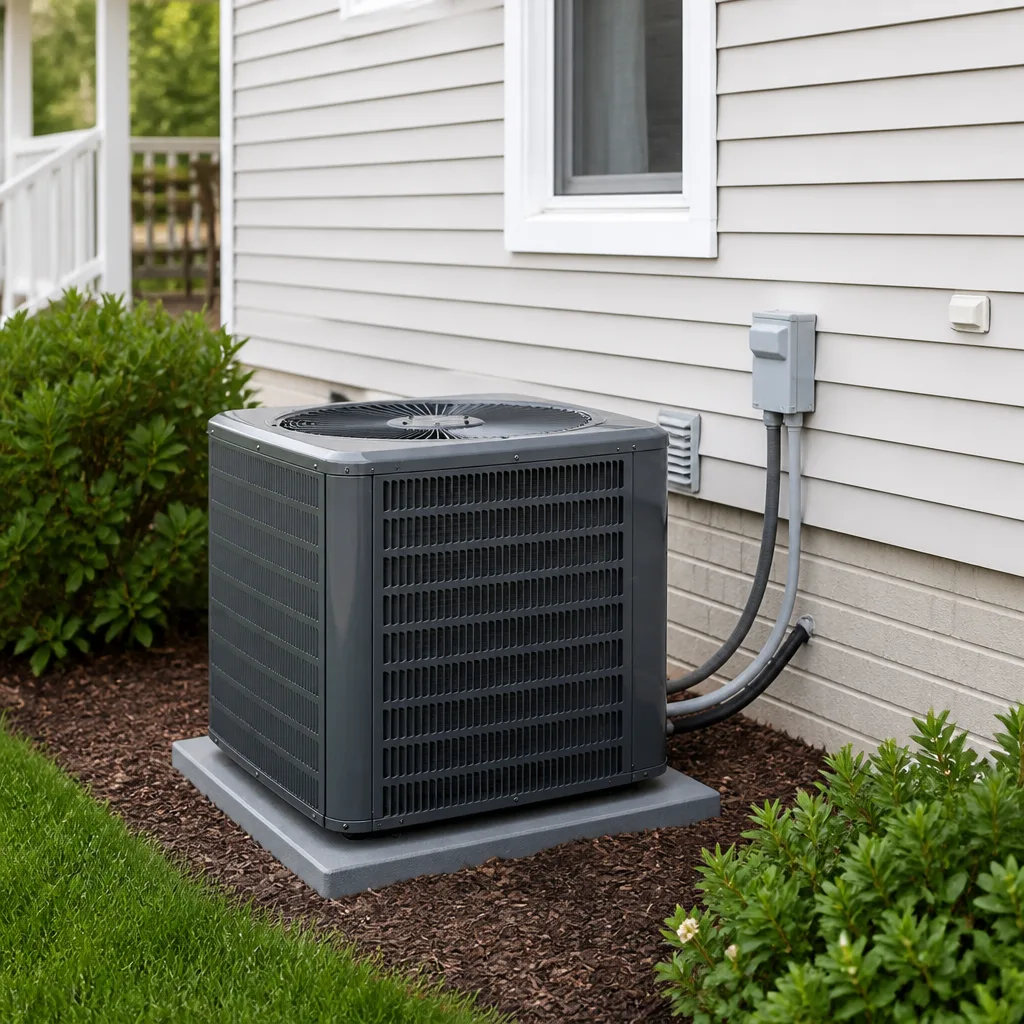 Goodman
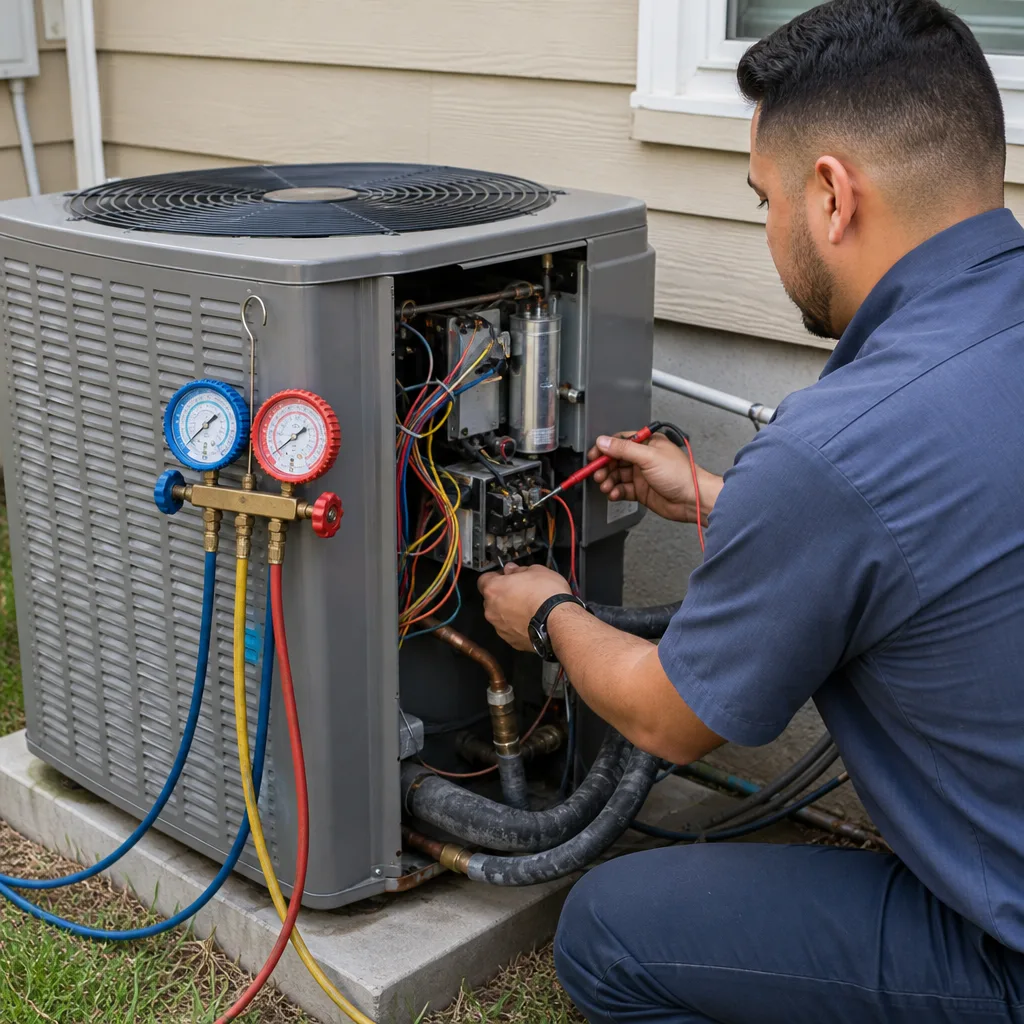
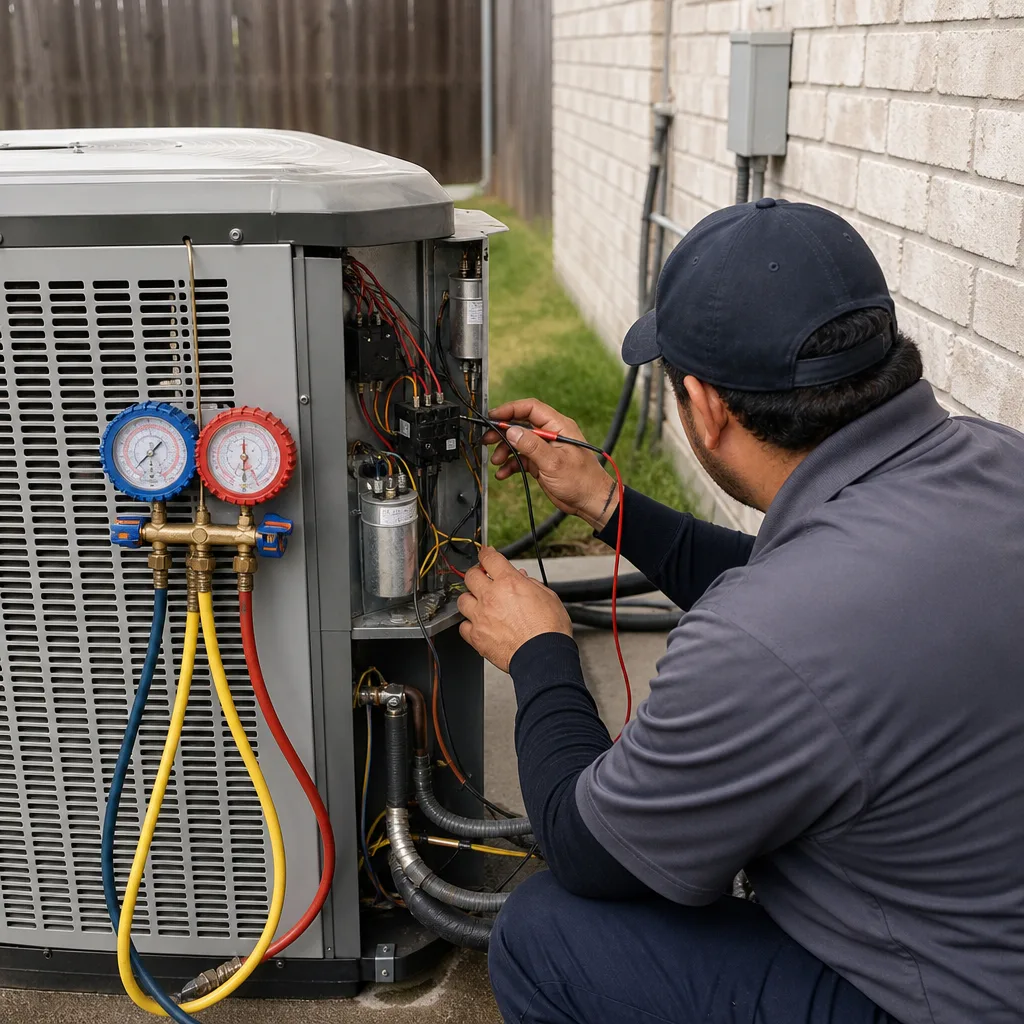
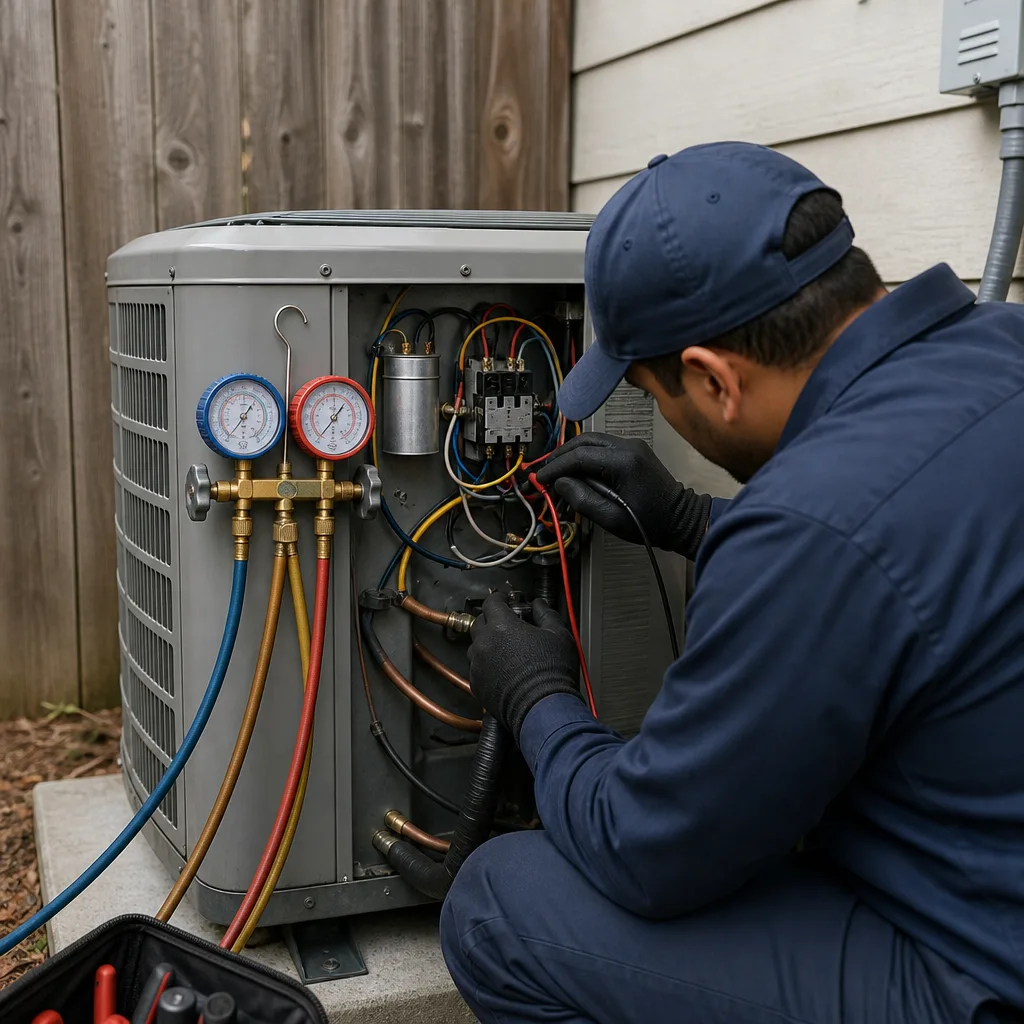
Seasonal tune-up and full diagnostic on your Carrier, Trane, or Goodman system - readings shown to you before any repair is proposed
Diagnosis first, numbers second - you approve the repair price before a single part goes in.
Get your free estimateHVAC Cost Breakdown: The San Antonio Homeowner’s Reference for 2026
Most San Antonio cost guides are still quoting numbers from 2023. That’s a problem, because the HVAC industry is now mid-transition from R-410A refrigerant to R-454B and R-32, and the price difference is already showing up on equipment invoices across Bexar County. The last time this happened, when R-22 was phased out, homeowners who waited saw replacement quotes climb 20 to 40 percent in under two years. This guide explains what a new system or major repair actually costs in San Antonio in 2026, why those numbers moved, how CPS Energy rebates can offset part of the increase, and how to read a quote so you’re not surprised when the crew arrives. For HVAC Warning Signs: A San Antonio Homeowner’s Reference Guide, see our companion post.
Quick Answer
A full HVAC system replacement in San Antonio in 2026 typically costs between $8,500 and $16,500 depending on system size, efficiency tier, and whether you’re replacing a furnace or air handler at the same time. A 3-ton central AC replacement alone runs roughly $5,500 to $8,500, while a 4-ton complete system with heat pump capability lands between $11,000 and $16,000 before CPS Energy rebates. Rebates of $300 to $1,200 per qualifying system can bring those numbers down, and financing terms have shifted enough that borrowing now makes sense in three specific scenarios we’ll walk through below.
Styles & brands we work with
Table of Contents
- What San Antonio HVAC Replacement Costs in 2026
- Why Prices Moved: The Refrigerant Transition
- CPS Energy Rebates for 2026
- How to Read an HVAC Quote
- What the Labor Portion Actually Covers
- Financing vs. Cash in 2026
- Common Mistakes to Avoid
- When to Call a Professional
- Frequently Asked Questions
What San Antonio HVAC Replacement Costs in 2026
San Antonio’s climate punishes air conditioners. A system here runs 2,000 to 2,600 hours a year, roughly double what the same unit would run in Dallas or Austin. That runtime shortens equipment life to 10 to 14 years, which means homeowners in the Alamo City replace systems more often than almost anywhere else in Texas. When you’re pricing a replacement, you need to know what a fair number looks like before you sit down with any contractor.
Common Replacement Scenarios, by the Numbers
- 3-ton central AC only (condenser and coil): $5,500 to $8,500 installed. This assumes the existing furnace or air handler stays in place and the ductwork is serviceable.
- 4-ton full system, air handler plus condenser: $8,500 to $12,500 installed. This is the most common replacement in San Antonio’s 1,800 to 2,400 square foot homes.
- Heat pump system, 1,500 to 2,000 square foot home: $10,000 to $14,000 installed. Heat pumps cost more up front but qualify for larger CPS Energy rebates and can cut winter heating bills meaningfully.
- Heat pump system, 2,400 to 3,200 square foot home: $13,000 to $16,500 installed. Larger homes often need a variable-speed unit to manage humidity in rooms at the far end of the duct run.
- Ductwork replacement (if needed): add $4,000 to $8,000 depending on home size and attic accessibility. Homes in older neighborhoods like Jefferson or Beacon Hill often have ductwork from the 1980s that has to go.
These ranges reflect equipment from established manufacturers like York, Daikin, and American Standard, installed by licensed crews pulling permits. If a quote comes in dramatically below the low end, something is missing from it. We’ll get to exactly what that something usually is.
Why Prices Moved: The Refrigerant Transition
The R-410A refrigerant that has cooled most San Antonio homes since 2010 is no longer being installed in new equipment manufactured after January 2025. The replacement refrigerants, R-454B and R-32, require different compressor designs, different coil metallurgy, and different leak-detection sensors built into the equipment. All of that adds manufacturing cost. Distributors began passing those increases through in late 2024, and by 2026, equipment costs for a typical 4-ton system are up 15 to 25 percent compared to 2023 pricing.
This is not a temporary spike. The R-22 phaseout in 2010 taught us that once a refrigerant class exits production, equipment pricing never returns to previous levels. What changes over time is the availability of repair parts. If you own an R-410A system and it’s still running well, repair remains a sensible option through 2026. A compressor replacement on an existing R-410A unit runs $1,800 to $3,200 in San Antonio, and the refrigerant itself is still stocked by local supply houses. But if the system is 12 years old, putting that money into a unit that will become steadily harder to service is a math problem worth thinking about before the next San Antonio summer hits.
CPS Energy Rebates for 2026
CPS Energy, San Antonio’s municipal utility, offers rebates for high-efficiency HVAC equipment installed by participating contractors. The 2026 program is more generous for heat pumps than for traditional AC units, which reflects a broader push toward electrification. Here is what’s currently available:
- 16 SEER2 central AC: $300 to $500 per system
- 17 SEER2 central AC or higher: $500 to $800 per system
- Heat pump, 15 SEER2 or higher: $700 to $1,200 per system, with the higher amount reserved for units meeting Cold Climate standards
- Duct sealing or duct replacement: $250 to $500, depending on home size and leakage reduction achieved
Claiming these rebates is straightforward but order matters. The contractor must be on CPS Energy’s participating contractor list at the time of installation. Work must be permitted through the City of San Antonio. After installation, the contractor files the rebate paperwork and the credit appears on your CPS bill or as a check, typically within 60 to 90 days. We’ll warn you: rebate programs change annually, and the amounts above are the 2026 figures. If you’re planning a replacement for 2027, call CPS or ask your contractor to confirm the program before you sign.
How to claim a CPS rebate, step by step:
- Verify your contractor is on the current CPS participating contractor list (ask for their CPS vendor number).
- Confirm the exact equipment model number qualifies for the rebate tier before installation.
- Ensure the contractor pulls a City of San Antonio mechanical permit.
- After installation, ask for a copy of the submitted rebate application and keep it with your records.
- Expect the credit on a CPS bill or as a mailed check within two to three months.
One more thing: some manufacturers run their own rebate programs on top of CPS incentives, particularly in the spring and fall shoulder seasons. A Daikin or American Standard unit can occasionally carry a manufacturer rebate of $200 to $500 in addition to the utility rebate. Ask your contractor to check active manufacturer promotions at the time of your quote.
How to Read an HVAC Quote
A legitimate replacement quote in San Antonio should be itemized enough that you can see exactly what you’re paying for. When we see low-ball bids from other companies, three things are almost always missing. Here’s what to check for, line by line.
Line items that must appear on a real quote
- Permit fees: The City of San Antonio requires a mechanical permit for equipment replacement. The fee runs $150 to $350 depending on scope. If a quote has no permit line, the contractor is either planning to work unpermitted (which creates problems when you sell the house) or hiding the fee until later.
- Equipment disposal: Old condensers and air handlers don’t just disappear. Removal and refrigerant recovery costs $150 to $400. Legitimate quotes include this line.
- Line set replacement or flush: If the old refrigerant lines are being reused, they must be flushed or replaced to avoid cross-contamination with the new refrigerant. This is $200 to $600 of labor and material. A quote that omits it is a quote that cuts a corner.
- Duct modification or transition: The new air handler rarely matches the old duct dimensions perfectly. A transition piece, plenum adjustment, or minor duct modification is $250 to $600. If the quote assumes a “direct fit” without ever having looked at your plenum, be skeptical.
- Electrical disconnect and whip: $100 to $250. Code requires a service disconnect within sight of the condenser. If the old one is weathered (and in San Antonio, sun and hail wreck them fast), it has to be replaced.
When you compare two quotes and one is $2,000 lower, look for these line items. The company that left them out isn’t cheaper; they’re quoting a different job. Our approach at Meadowsweet Heating and Air San Antonio is a written price before any work starts that includes all of the above, so the number you sign is the number you pay.
What the Labor Portion Actually Covers
Labor on a San Antonio HVAC replacement runs $2,500 to $4,500 of the total quote, depending on system complexity and home configuration. That’s not a made-up number. Here’s what a typical replacement day actually looks like, so you can evaluate whether a bid is grounded in reality or unrealistically thin.
A standard 4-ton AC and air handler replacement is a two-person crew working a full day, roughly 8 to 10 hours on site. That includes removing the old condenser and air handler, recovering refrigerant, setting the new condenser on a pad or wall bracket, hanging or standing the new air handler, running or flushing the line set, brazing with nitrogen purge, pressure testing, pulling a vacuum to below 500 microns, charging the system to manufacturer spec, and running a start-up sequence that verifies airflow, temperature drop, and refrigerant pressures.
That’s before any attic work. In many San Antonio homes, the air handler lives in a hot attic where July temperatures reach 140 degrees. A crew working in that environment needs breaks to avoid heat stress, and a good contractor builds that time into the schedule. If a company tells you they can do a full replacement in four hours for $1,000 in labor, they are either cutting every safety and quality step named above, or they’re paying someone under the table. Neither outcome protects your home.
What does that labor quality look like in practice? Our crews follow a specific code of conduct on every job: shoe covers and drop cloths down before any tool comes out, a clean-up photo sent to you before the van pulls away, and a walkthrough of the system afterward where you see the pressures and temperatures with your own eyes. It’s part of the Cedarwell Care Promise, the standard our company operates under, and it’s built into the price rather than treated as an add-on. Luis Serrano, who leads our San Antonio team, has kept that standard consistent across every job since our Cedarwell founding in 2004.
Financing vs. Cash in 2026
Interest rates on HVAC financing in 2026 sit between 6.9 and 9.9 percent for borrowers with good credit, with promotional periods of 0 percent for 12 to 18 months on some equipment. Whether to finance or pay cash is a math question, and the answer changes based on your circumstances. Here’s our honest read on when each choice makes sense.
Three scenarios where financing makes mathematical sense
- Your system failed in July and you don’t have $12,000 liquid. San Antonio summers are medically dangerous without AC, especially for infants, elderly family members, and anyone with respiratory conditions. Financing at 7 to 9 percent is cheaper than a hotel for three weeks while you save up.
- The rebate and energy savings exceed the interest cost. If CPS and manufacturer rebates total $1,500 and a higher-efficiency system cuts your cooling bill by $40 a month, that’s $480 a year in operating savings. On a five-year loan at 8 percent, the interest totals roughly $2,600. The combined rebate and savings over five years ($3,900) exceeds that. You come out ahead by financing the better system now.
- You have 0 percent promotional financing available and you know you’ll pay it off before the promotional window ends. This is the best case scenario, but it only works if you actually do it. Miss the payoff deadline and deferred interest hits all at once.
Two scenarios where cash is almost always better
- Your system is aging but still running, and you have six months to save. San Antonio’s mild fall and winter months are ideal for planning. Set aside $2,000 a month for six months and you’re at $12,000 with no interest paid at all. Slower replacement also lets you shop quotes without the pressure of a hot house.
- You’re selling the home within two years. You won’t recoup the interest cost through energy savings in that window, and buyers in San Antonio don’t pay a premium for a two-year-old system versus a five-year-old system. Either repair the existing unit or install a mid-tier replacement with cash.
Whatever you choose, get the financing terms in writing before installation day. The monthly payment, the APR, the total interest paid over the life of the loan, and what happens if you pay early. A full AC Installation in San Antonio is a significant purchase, and you should understand every number on the page before you sign it.
Common Mistakes to Avoid
- Accepting a quote without a permit line. Unpermitted HVAC work in San Antonio creates problems at resale and can void your homeowner’s insurance if the system is blamed for a fire or water event. Always ask whether the permit fee is included.
- Replacing only the condenser and not the coil. Mixing a new R-454B condenser with an old R-410A coil creates a mismatched system that underperforms and can fail early. The coil and condenser are designed as a pair and should be replaced together.
- Ignoring the ductwork. A new high-efficiency system connected to leaking 1980s ducts in a Stone Oak attic will not deliver the efficiency you paid for. Have the ducts inspected and leak-tested before you commit.
- Choosing the lowest bid without comparing line items. The $6,000 quote for a 4-ton system is not the same job as the $10,000 quote. One of them is missing something. Figure out what before you choose.
- Waiting until the first 100-degree day to shop. San Antonio HVAC companies book out 1 to 2 weeks during peak season. You’ll pay more, wait longer, and have less negotiating room if you wait until the system dies in August.
- Not asking about the refrigerant type before buying. Some companies are still selling leftover R-410A equipment at a discount. That’s not inherently bad, but you should know that repair parts will get scarcer and pricier over the next decade. Make the decision with your eyes open.
When to Call a Professional
If your AC is blowing warm air, making grinding or screeching noises, cycling on and off repeatedly, or leaking water in San Antonio’s summer heat, don’t wait. A system that’s limping along costs more to run and makes the failure worse every day it continues. If your system is 12 years or older and needs a repair over $1,500, that’s the moment to get a replacement quote and compare it against the repair cost. The same logic applies to furnace issues in the winter: a cracked heat exchanger is not a repair job, it’s a safety issue. For anything involving refrigerant, electrical wiring, or gas lines, these are not DIY projects. Refrigerant under pressure can cause frostbite, electrical panels can kill, and gas leaks can destroy a house. Call a licensed professional. AC Repair in San Antonio from our team starts with a written diagnosis, not a sales pitch. Meadowsweet Heating and Air San Antonio offers free estimates throughout the city – call (254) 271-2545 and a real person answers.
Frequently Asked Questions
A new AC system in San Antonio costs between $5,500 and $16,500 in 2026, depending on system size, efficiency tier, and whether you need a full system replacement or just the outdoor condenser and indoor coil. A 3-ton AC-only replacement runs $5,500 to $8,500, while a 4-ton complete system with heat pump lands between $11,000 and $16,000 before CPS Energy rebates. Call (254) 271-2545 for a free, written estimate specific to your home.
Yes, CPS Energy offers HVAC rebates in 2026 ranging from $300 for a 16 SEER2 central AC up to $1,200 for a qualifying heat pump system. The rebate is processed by a participating contractor after installation, and the credit appears on your CPS bill or as a check within 60 to 90 days. To claim it, the contractor must be on the CPS participating list and the job must be permitted through the City of San Antonio.
If your system is under 10 years old and the repair is under $1,500, repair is usually the right call, especially if it’s a simple part like a capacitor or contactor. If the system is 12 years or older and the quote is for a compressor or coil replacement, put that money toward a new system instead. San Antonio’s runtime means most systems die between age 10 and 14, so a major repair on an older unit is often money you won’t get back.
A typical AC and air handler replacement takes one full day with a two-person crew, about 8 to 10 hours on site. Larger jobs that include duct replacement or heat pump conversion can take two days. Companies promising a four-hour replacement are cutting corners somewhere, usually in the vacuum and pressure-testing steps that protect the system from early compressor failure.
Labor covers removal of old equipment, refrigerant recovery, setting the new condenser and air handler, line set work, brazing and pressure testing, pulling a vacuum, charging the system, and running a start-up verification. It also includes the time to protect your floors and clean up afterward. A fair labor range for a full replacement in San Antonio is $2,500 to $4,500 depending on attic access and system complexity.
Cash is better if your system still runs and you have time to save, or if you’re selling the home within two years. Financing makes sense if your system failed during a San Antonio heat wave and you need AC now, if the rebate and energy savings exceed the interest cost over the loan term, or if you have 0 percent promotional financing and a plan to pay it off before the window closes. Get all terms in writing before installation day.
The Bottom Line
HVAC replacement in San Antonio in 2026 costs more than it did three years ago, and that increase is structural, not temporary. The refrigerant transition raised equipment prices permanently, CPS Energy rebates can offset part of that increase if you choose qualifying equipment, and the labor side of the quote reflects real work done in hot attics by trained crews. Read your quote line by line. Check for the permit, the disposal fee, the line set work, and the duct transition. If you’re comparing Furnace Repair in San Antonio versus replacement, do that math before the next temperature swing. And when you’re ready for a straightforward written estimate in San Antonio, we’re here.
Written by Luis Serrano, Owner at Meadowsweet Heating and Air San Antonio, serving San Antonio since 2004. Browse more guides & resources on our blog.
See the difference
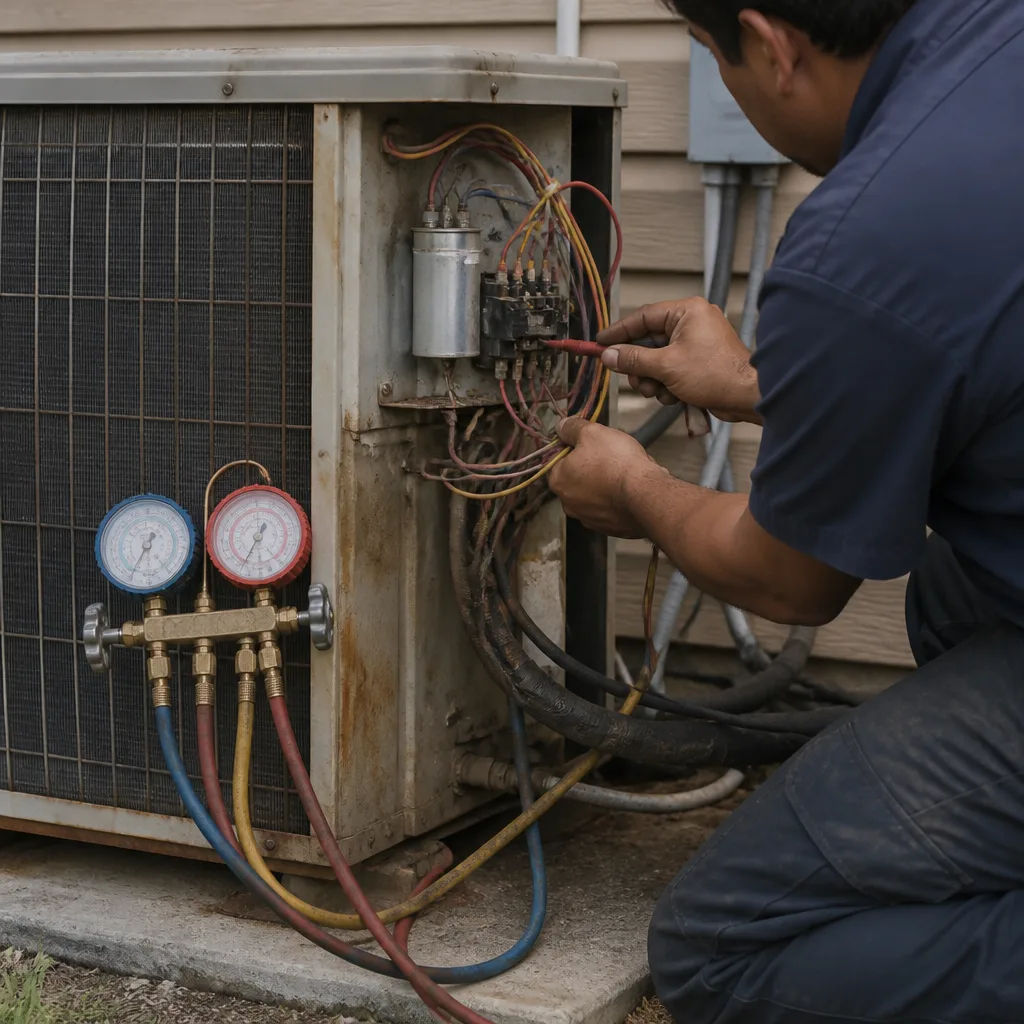 Before
 After
After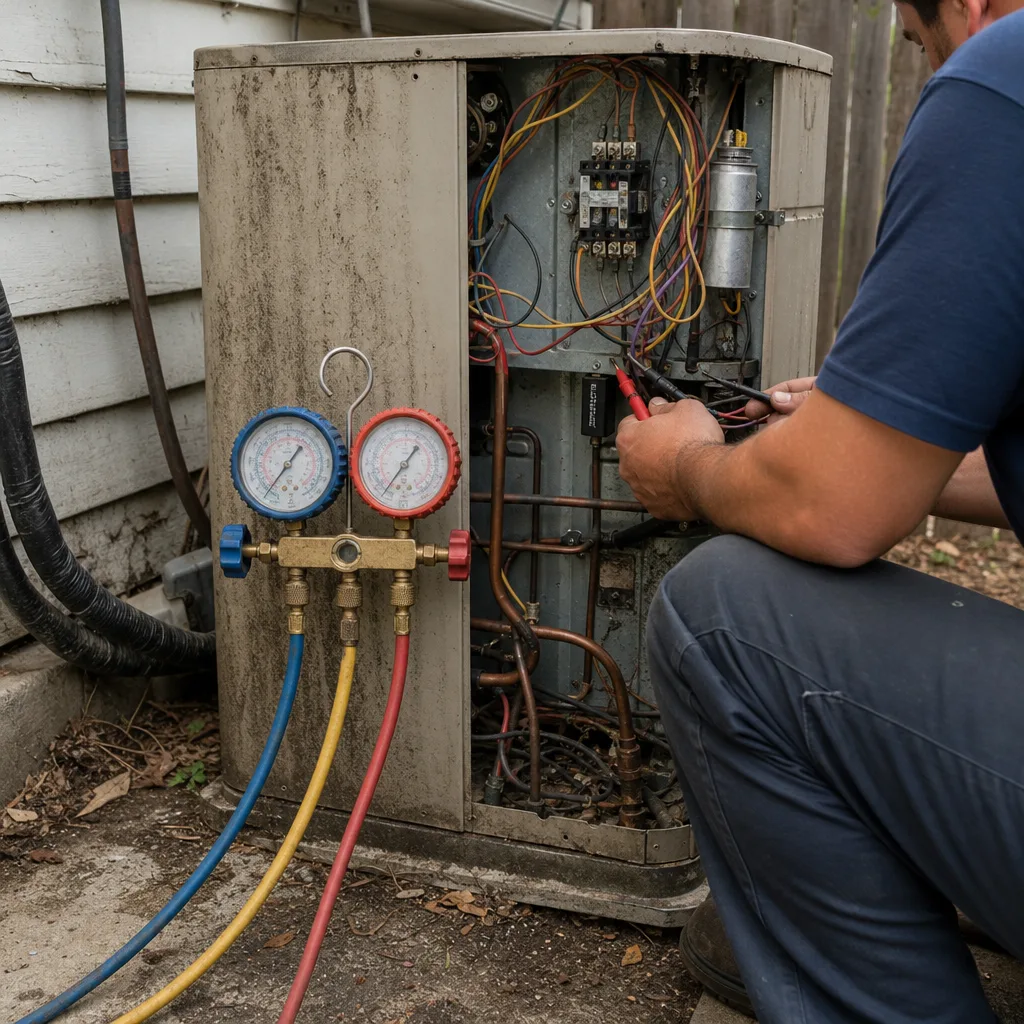 Before
 After
After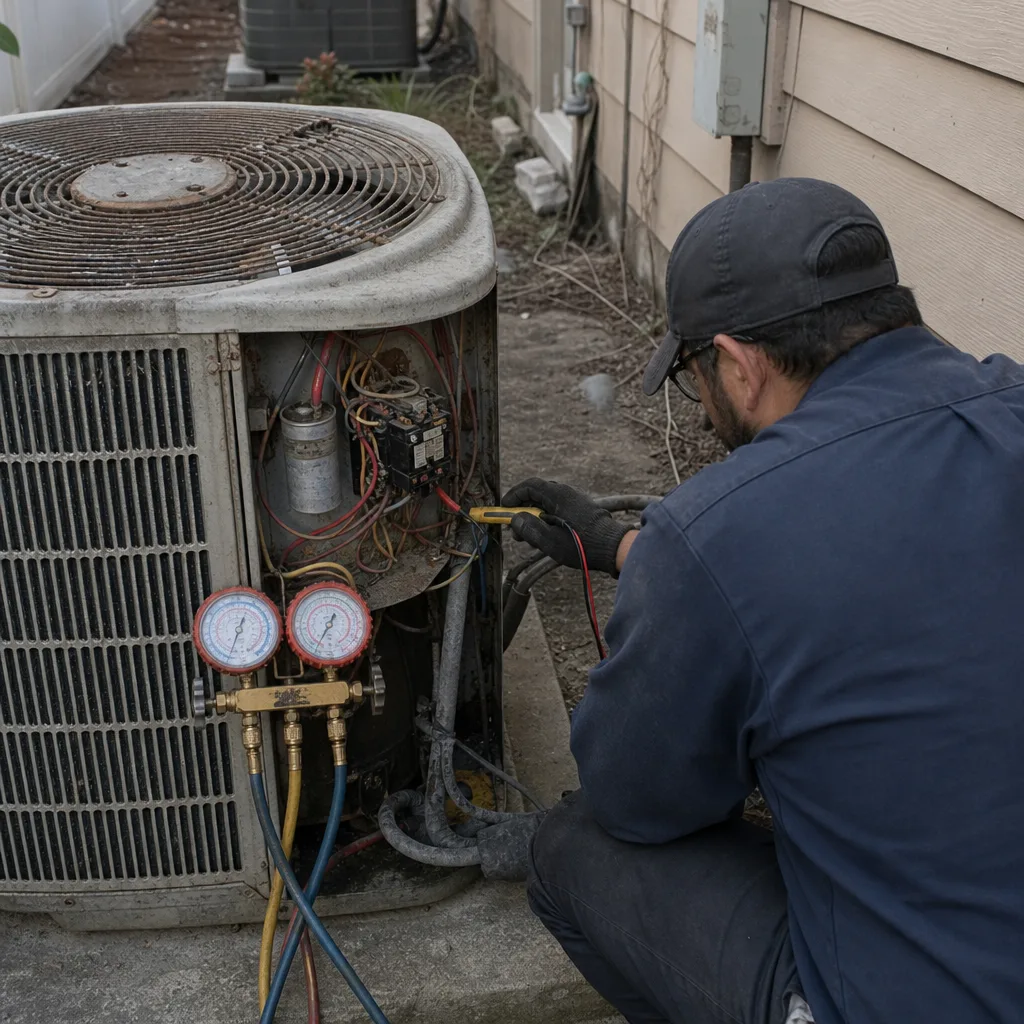 Before
 After
After