
Last updated October 16, 2026
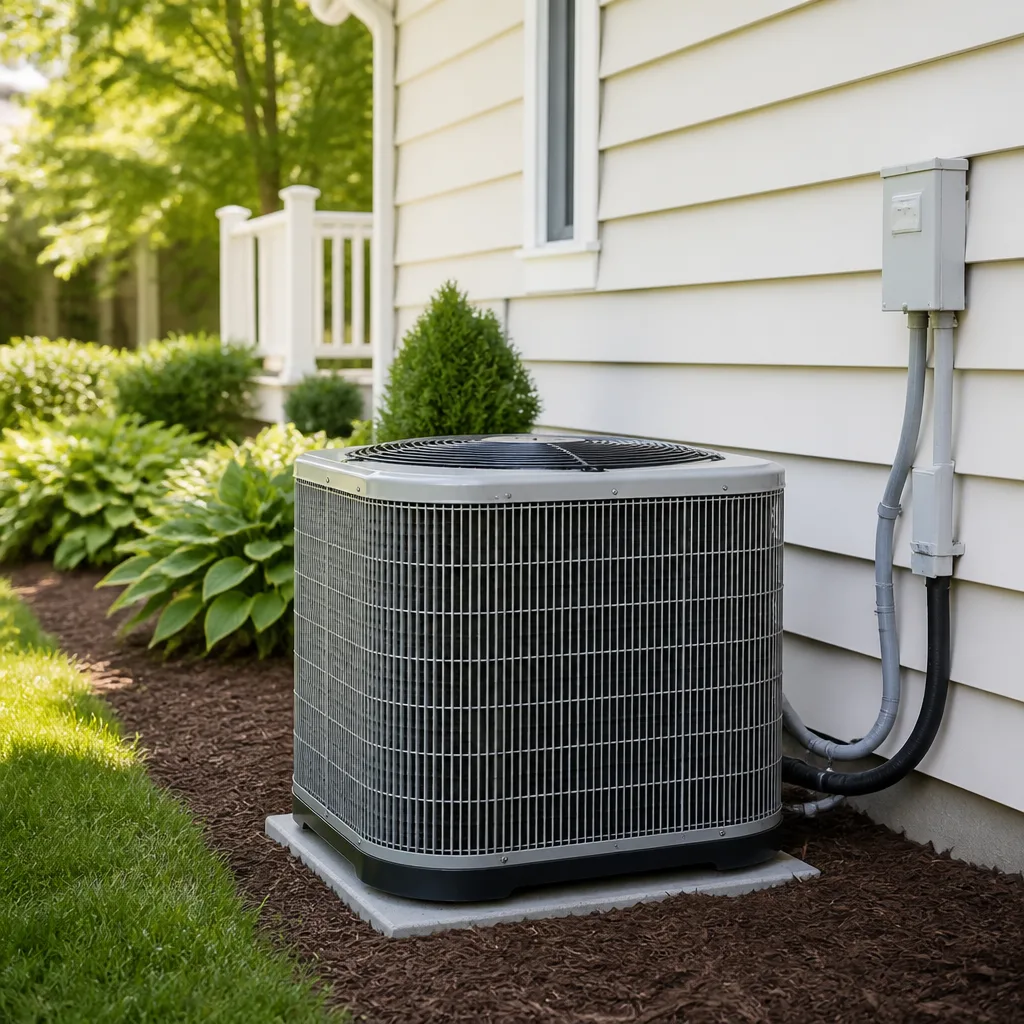 AC repair
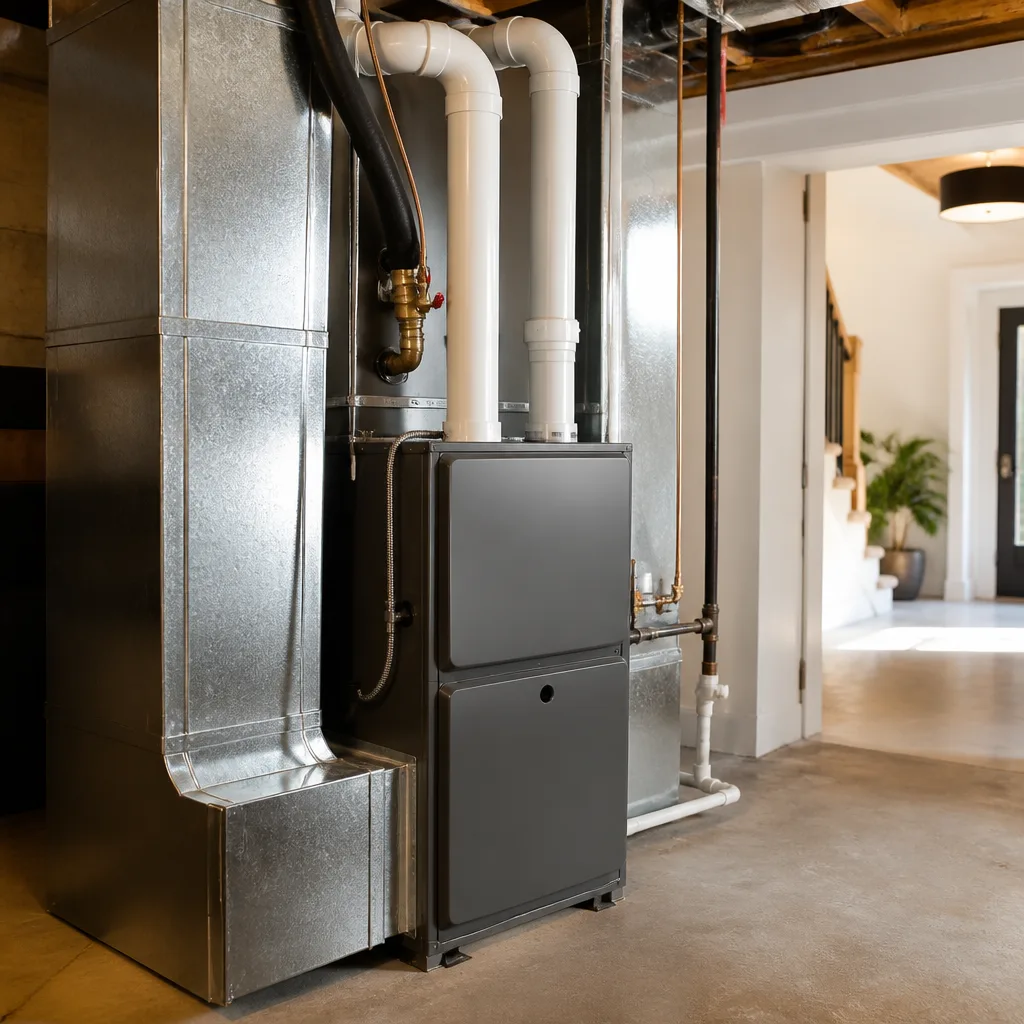 Furnace & heating
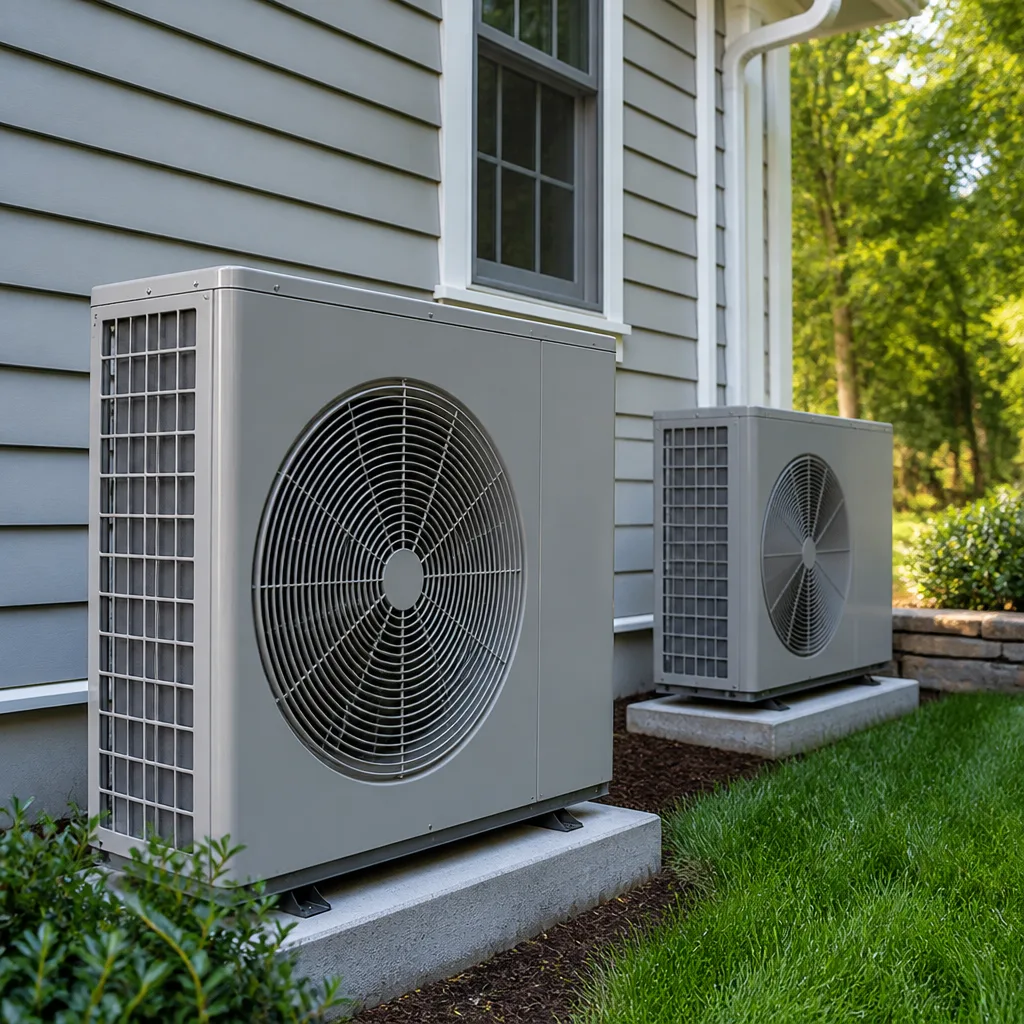 Heat pumps
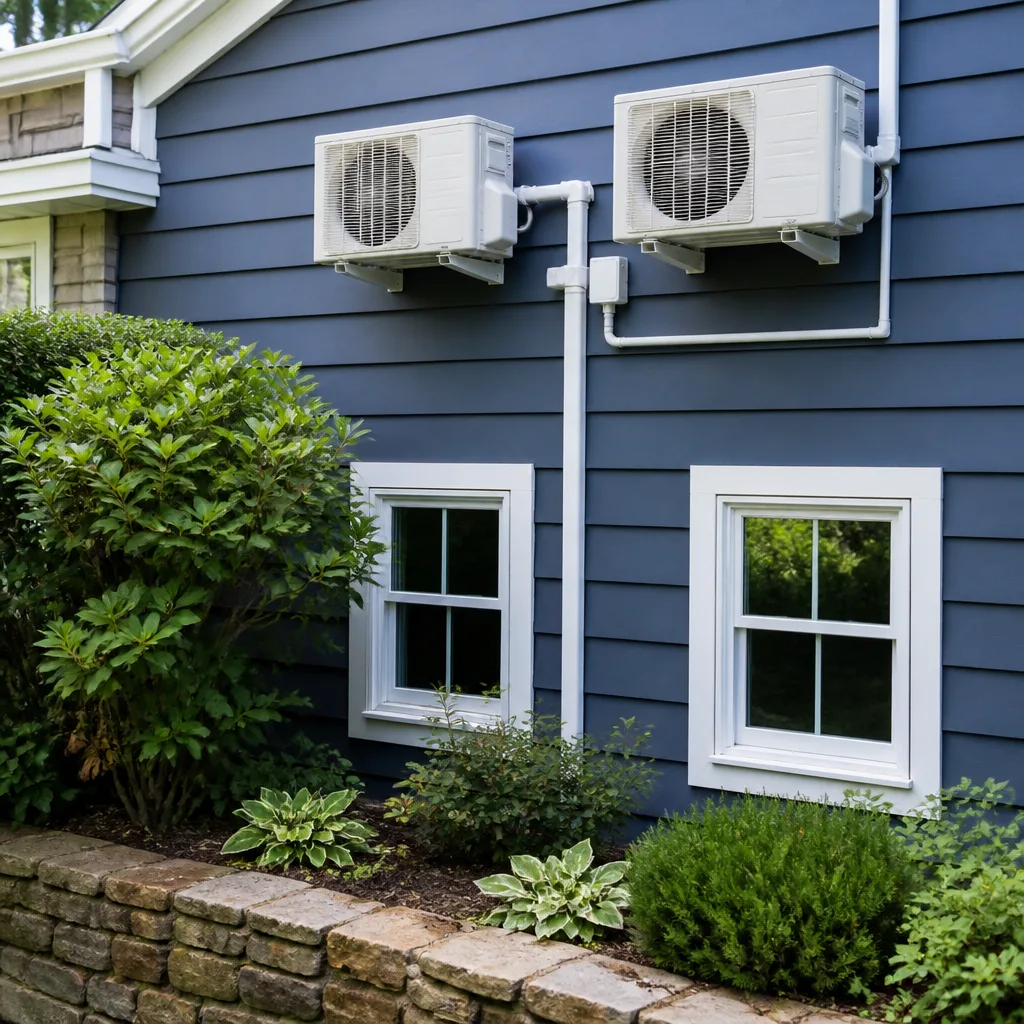 Ductless mini splits
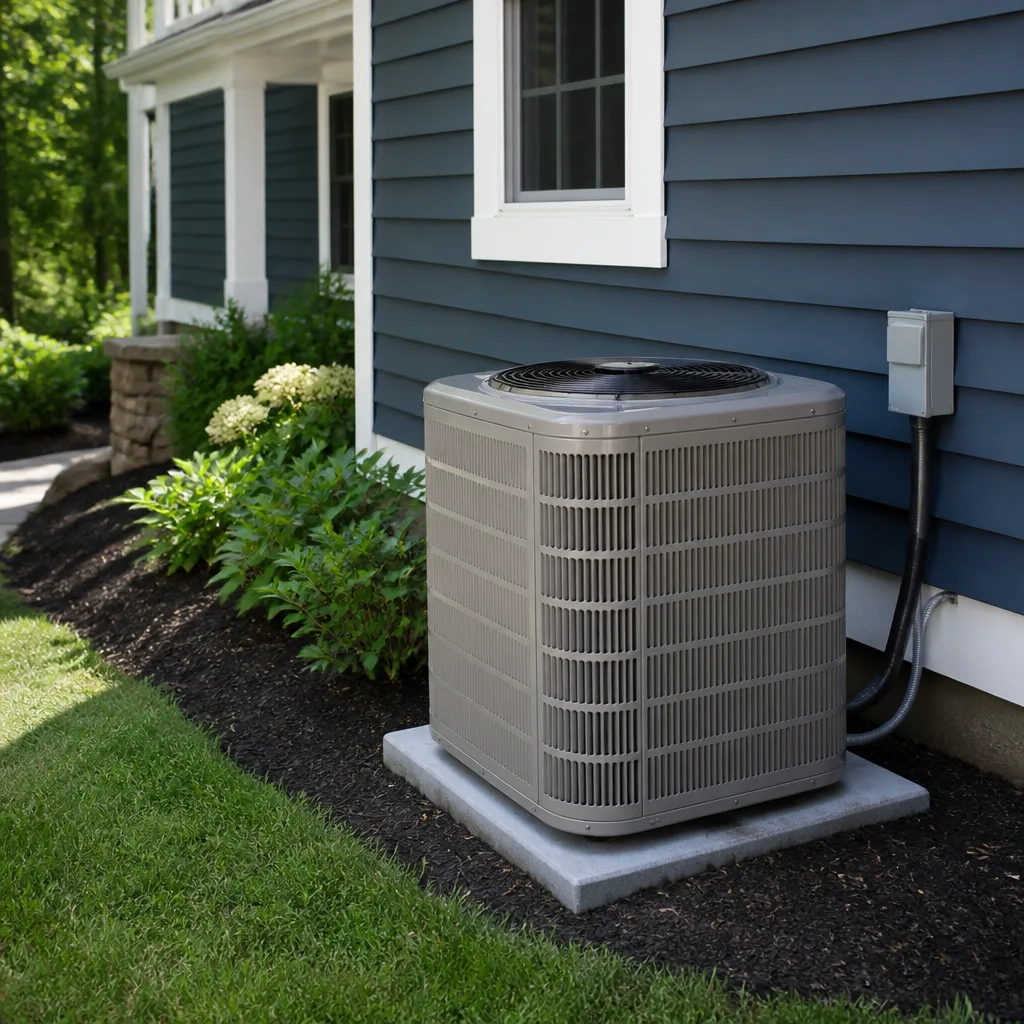 Carrier
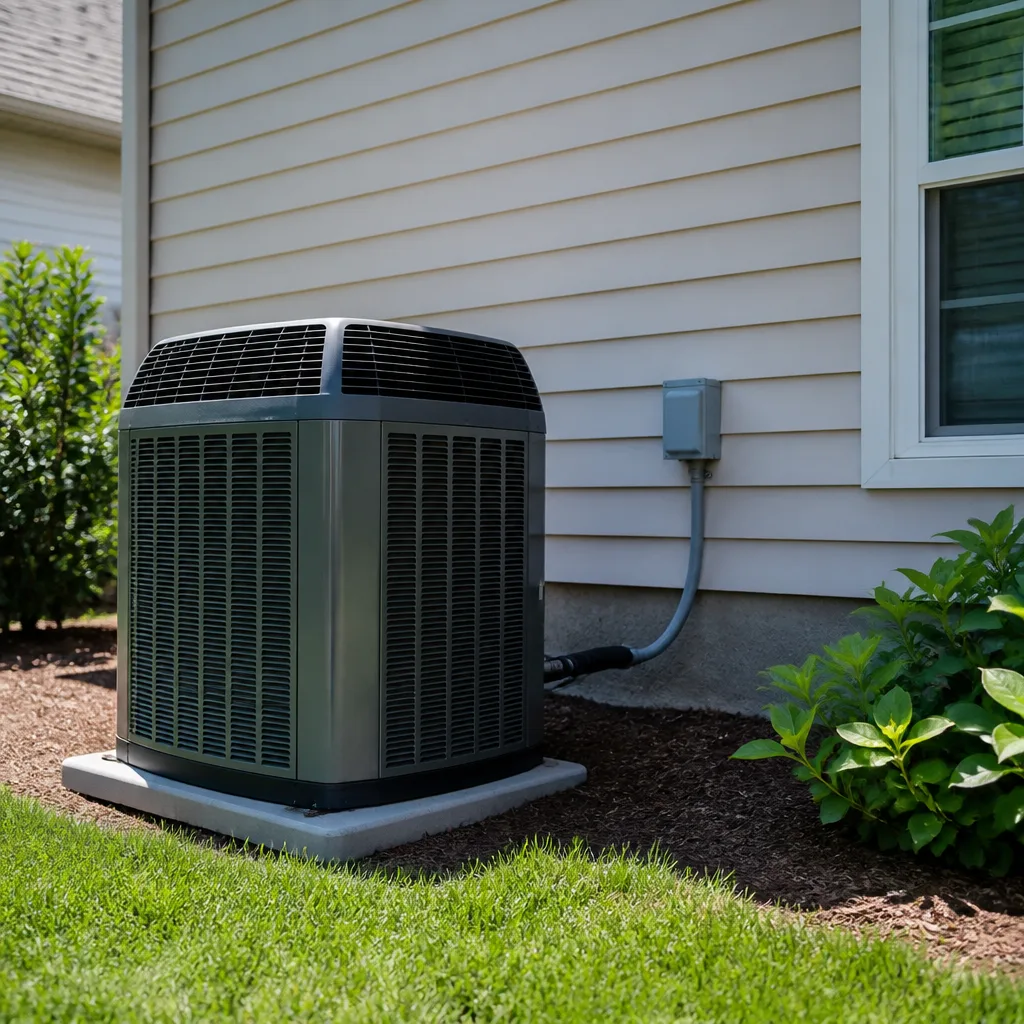 Trane
Trane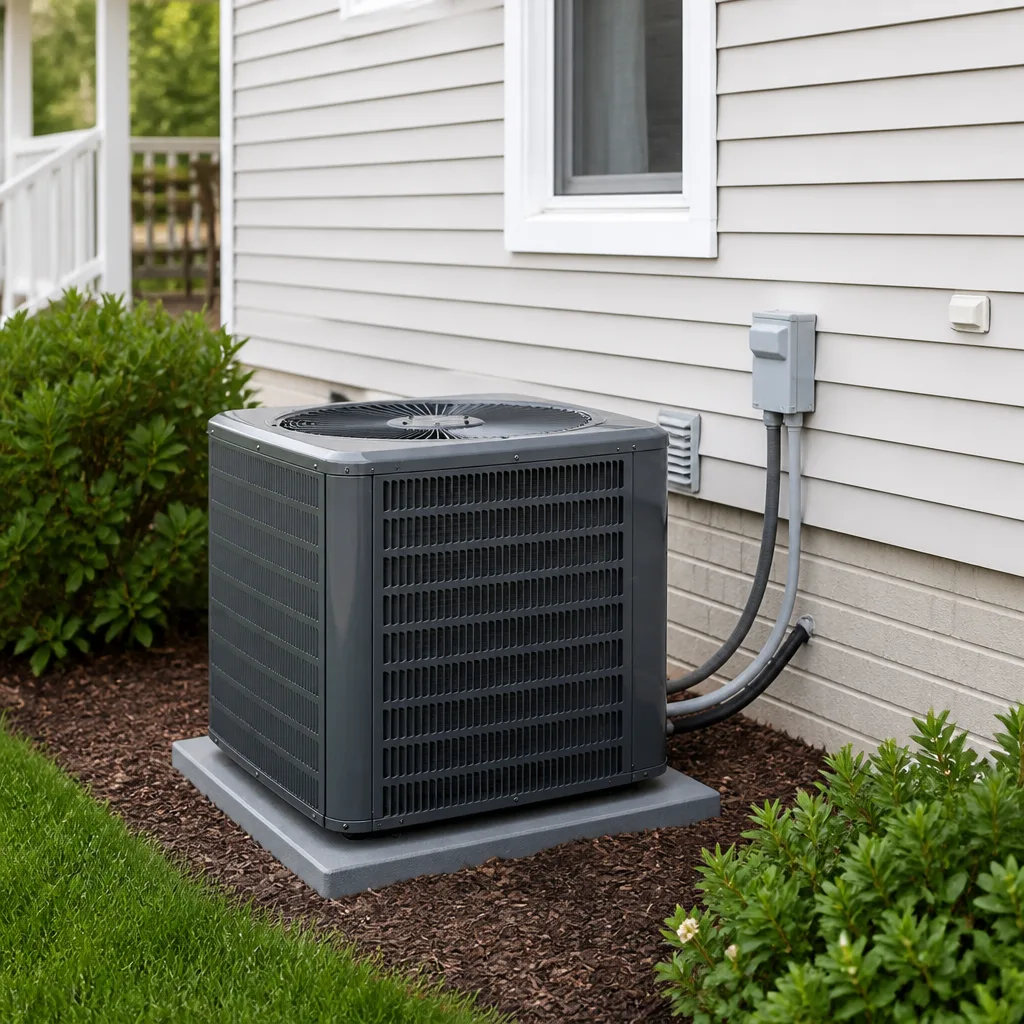 Goodman
Seasonal tune-up and full diagnostic on your Carrier, Trane, or Goodman system - readings shown to you before any repair is proposed
Diagnosis first, numbers second - you approve the repair price before a single part goes in.
Get your free estimateHVAC Permits, Codes & Inspections in TX: What You Need to Know
In 2023, a homeowner in Bexar County sat at a closing table in Alamo Heights, ready to sell the house she’d lived in for eleven years. The buyer’s lender had run a routine permit search and found something: the HVAC system replaced in 2021 had no permit on record with the City of San Antonio. The sale stalled. The lender required a retroactive inspection before funding. The system failed it, and the seller had to escrow $9,400 for corrections. Three years earlier, she’d saved about $600 by using an unlicensed contractor who said the permit “wasn’t necessary.” This guide is about making sure that never happens to you. We’ll walk through exactly which HVAC jobs in San Antonio require a permit, what the inspection actually checks, how unpermitted work can surface at resale or during an insurance claim, and the step-by-step path to fix a permit gap if you already have one. For more guides & resources, visit our blog.
Quick Answer
In Texas, and specifically in San Antonio and Bexar County, most HVAC replacements and all new system installations require a mechanical permit from the City of San Antonio Development Services Department before work begins. Like-for-like repairs (replacing a capacitor, contactor, fan motor, thermostat, or control board) generally do not require a permit. A permitted job means a city inspector verifies the work meets current code, and that record protects you at resale and during insurance claims. For a deeper look at what to watch for, see our HVAC Warning Signs: A San Antonio Homeowner’s Reference Guide.
Styles & brands we work with
Table of Contents
- Which HVAC Jobs Require a Permit in San Antonio
- What the San Antonio Permit Process Actually Looks Like
- What the City Inspector Actually Checks
- The Real Cost of Unpermitted Work: Insurance, Title, and Resale
- The Insurance Claim Risk Most Homeowners Never Hear About
- I Bought a Home With Unpermitted HVAC Work. Now What?
- Common Mistakes to Avoid
- When to Call a Professional
- Frequently Asked Questions
Which HVAC Jobs Require a Permit in San Antonio
San Antonio follows the 2021 International Mechanical Code and the 2021 International Residential Code, adopted by the city with local amendments. Under these codes, a mechanical permit is required for any installation, alteration, or replacement of a heating or cooling system that involves changes to the ductwork, refrigerant lines, electrical supply, gas piping, or the equipment itself. That covers full system replacements, new installations, adding a mini-split to a room that has no ductwork, and relocating a condenser or furnace.
What does not require a permit in San Antonio? Component-level repairs where the scope stays within the existing equipment. Replacing a dual-run capacitor on a condenser, swapping out a contactor, installing a new blower motor, replacing a flame sensor or ignitor on a furnace, or putting in a new thermostat are all considered like-for-like repairs. No permit needed. The line gets blurry when a repair starts touching refrigerant lines or gas piping. If a technician has to cut into a refrigerant line set, that crosses into alteration territory, and the city expects a permit. If a furnace heat exchanger is replaced, a permit is required. If a condenser is swapped because the old one failed but the evaporator coil stays, San Antonio code officials generally treat that as a replacement, and a permit is required.
Here’s a practical breakdown for San Antonio homeowners:
- Permit required: Full AC or heat pump replacement, new system installation, furnace replacement, ductwork replacement or significant modification, adding return air, relocating equipment, installing a gas line for a new furnace, converting from electric to gas heat (or vice versa), installing a mini-split system.
- No permit required: Capacitor replacement, contactor replacement, thermostat installation, blower motor replacement, flame sensor replacement, ignitor replacement, condenser fan motor replacement, drain line clearing, filter changes, coil cleaning, refrigerant top-off (if no leak repair is made).
- Gray zone, call to confirm: Evaporator coil replacement, condenser-only replacement, adding a hard start kit, replacing a line set, converting refrigerant types (R-22 to R-410A or R-454B).
When in doubt, ask the contractor to confirm in writing whether the job requires a permit. A reputable San Antonio HVAC company will tell you directly and include the permit cost in the written estimate. If a contractor says a permit “isn’t necessary” for a full system replacement, that’s a red flag. We’ve seen the paperwork trail on too many of these jobs, and the problems always surface later.
What the San Antonio Permit Process Actually Looks Like
The City of San Antonio Development Services Department (DSD) handles mechanical permits for HVAC work. The process is more straightforward than most homeowners expect, but it has specific steps and timelines that you should understand before the job starts.
Step 1: Determine who pulls the permit. In San Antonio, a mechanical permit can be pulled by a licensed HVAC contractor who holds a Texas Air Conditioning and Refrigeration Contractor License (TACL) issued by the Texas Department of Licensing and Regulation (TDLR) and who is registered with the City of San Antonio. Homeowners can technically pull their own permit for work on a homestead property, but this is riskier than it sounds. When a homeowner pulls the permit, the homeowner becomes legally responsible for code compliance, and many contractors are reluctant to take on that arrangement. More practically, pulling your own permit means you’re on the hook for any failed inspections and corrections.
Step 2: Submit the application. The contractor submits a permit application through the city’s online portal or in person at the Development Services Department at 1901 S. Alamo Street. The application includes the project scope, equipment specifications (make, model, BTU capacity, SEER2 rating), and the contractor’s license and registration numbers. For most residential HVAC replacements, the application is approved within 1 to 3 business days. Simple replacement permits are often issued same-day or next-day if the paperwork is clean.
Step 3: Pay the fee. Mechanical permit fees in San Antonio are calculated on a valuation basis. For a typical residential HVAC replacement, the permit fee ranges from $60 to $180, depending on the scope of work. New installations and ductwork modifications run higher, usually $150 to $300. This fee is separate from the labor and equipment cost and should appear as a line item on any written estimate you receive.
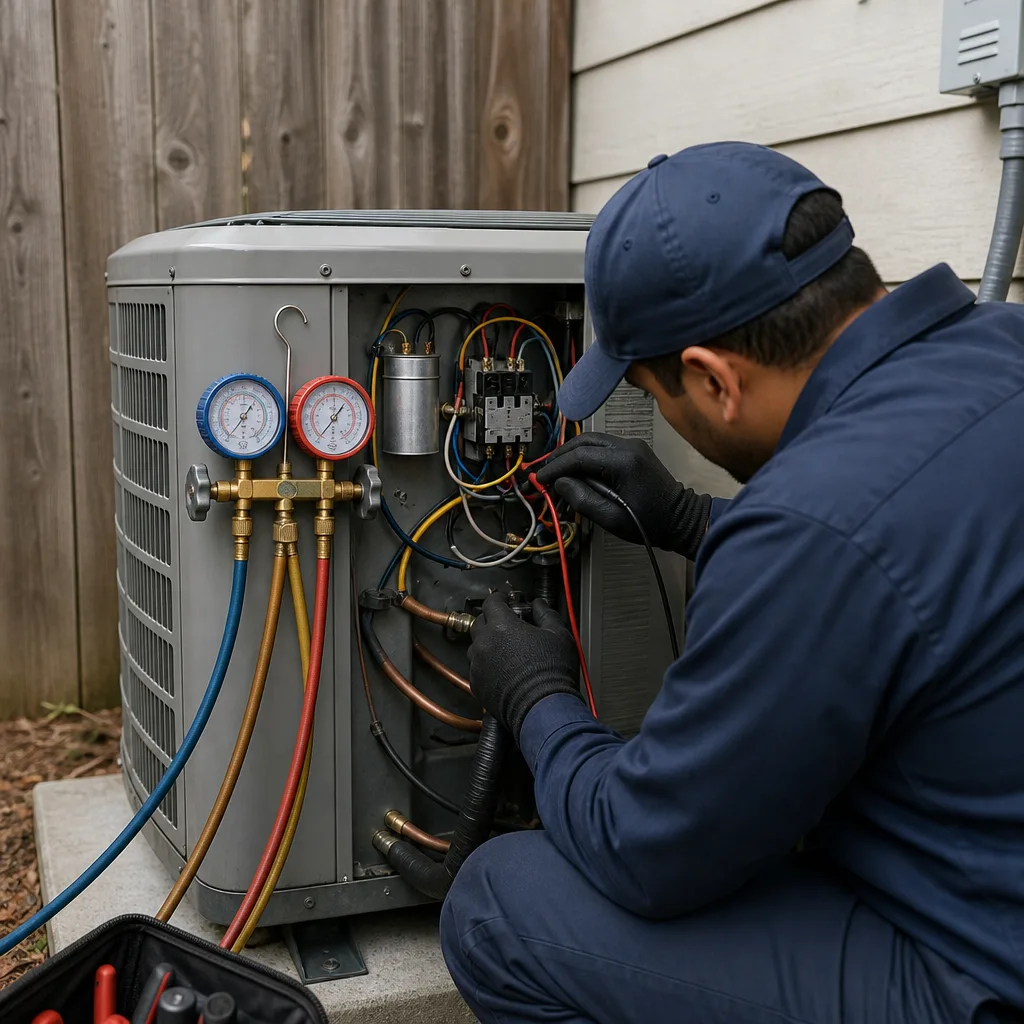
Step 4: Do the work. The system is installed or replaced by the licensed contractor. The work must be done to code; our AC Repair Maintenance Checklist for San Antonio Homeowners covers what to verify. That means proper clearances around the condenser, correct refrigerant line sizing, proper duct connections, a correctly installed condensate drain with a proper slope, a disconnect switch within sight of the unit, and proper flue venting on gas furnaces.
Step 5: Schedule the inspection. After installation, the contractor calls in the inspection. In San Antonio, mechanical inspections are typically scheduled within 1 to 5 business days. The homeowner does not need to be present; the contractor is responsible for meeting the inspector on site.
Step 6: Pass, correct, or fail. The inspector either signs off, lists corrections that must be made, or fails the inspection outright. Corrections are re-inspected. Once the final inspection passes, the permit is closed, and the project becomes part of the city’s permanent record for the property.
Total timeline for a straightforward replacement: 1 to 2 weeks from permit application to closed permit. That’s not a reason to skip the permit. It’s a reason to choose a contractor who handles all of it and includes the process in the written price.
What the City Inspector Actually Checks
San Antonio mechanical inspectors are looking for specific code compliance items, not the overall “quality” of the installation in an aesthetic sense. Here’s what they actually verify on a residential HVAC replacement or new install:
- Equipment clearances: The condenser must have adequate airflow clearance on all sides, typically 12 inches minimum from walls or fences and 24 to 36 inches of clearance on the fan discharge side. The inspector will measure this. In San Antonio’s dense neighborhoods like Terrell Heights, Mahncke Park, and Jefferson, tight side yards are a common point of failure. Contractors should know how to position equipment to pass.
- Electrical disconnects: A service disconnect must be installed within sight of the condenser and no more than 50 feet away. The wiring must be sized correctly for the equipment’s amperage draw.
- Refrigerant lines: The inspector verifies the line set is properly sized, insulated on the suction line, and not kinked or crushed. On new R-454B systems (the refrigerant standard phasing in for equipment manufactured after January 2025), the inspector also verifies the leak detection sensor is installed if required by the manufacturer and code.
- Condensate drainage: The drain line must be properly sloped, with a cleanout installed and a secondary drain or overflow switch installed. San Antonio’s high humidity during the summer makes this one of the most common inspection findings. A clogged or improperly sloped drain line leads to water damage, and the inspector is checking hard for it.
- Ductwork: If ducts are being replaced or modified, the inspector will check that the connections are sealed, support straps are in place, and the duct sizing is consistent with the equipment. Flex duct runs must be supported every 4 feet and cannot have tight bends that kink the duct.
- Gas piping and flue venting: On furnace replacements, the inspector checks the gas line connection, the shutoff valve, and the flue venting. For high-efficiency furnaces (90%+ AFUE), PVC venting must be sloped properly and terminated away from windows and doors. For standard-efficiency furnaces, the metal flue must be in good condition and properly connected. Carbon monoxide risks come from these connections, and the inspector takes them seriously.
- Platform and stand condition: The outdoor unit must sit on a stable pad or stand. The inspector will check that the pad is level and that the unit isn’t sitting directly on dirt, which can lead to coil damage and premature failure in San Antonio’s clay-heavy soil.
- Documentation: The inspector verifies that the equipment’s rating plate matches what was listed on the permit application. If the permit said 3-ton and the contractor installed a 3.5-ton, the inspection fails.
A clean pass on a first inspection doesn’t mean the job was “better” than one that needed corrections. It means the contractor did the work carefully and knows what San Antonio inspectors look for. When you hire a company like Meadowsweet Heating and Air San Antonio home, the permit and inspection are handled as part of the job, not as an afterthought. Luis Serrano and his team prepare every installation for inspection the same way they prepare it for your family: with attention to the details you can’t see.
The Real Cost of Unpermitted Work: Insurance, Title, and Resale
Skipping the permit saves a few hundred dollars in the short run. That’s the whole pitch from contractors who do unpermitted work. But the long-run costs of unpermitted HVAC work in San Antonio are concrete, not hypothetical, and they fall into three categories: title problems, insurance claim denials, and resale complications.
Title problems. When you buy or sell a home in Bexar County, a title company runs a search on the property. That search often includes a permit history review with the City of San Antonio. If unpermitted work is discovered, the title company may list it as an exception to the title policy, which means the buyer’s lender can refuse to fund until the issue is resolved. The resolution is almost never quick. It involves obtaining a retroactive permit, scheduling an inspection, and making corrections if the work doesn’t meet code. During that time, the sale is in limbo. Deals fall apart over this. Buyers walk, rates lock expires, and sellers end up eating the cost of the corrections plus the delay.
Resale disclosure. Texas law requires sellers to disclose known defects and conditions on the Seller’s Disclosure Notice. Unpermitted work technically falls under this disclosure obligation if the seller knows about it. Fail to disclose, and the buyer may have legal recourse after the sale. More commonly, a buyer’s home inspector flags evidence of recent HVAC replacement, checks the permit record, and the issue surfaces during the option period. That’s a hard conversation to have at a point when the buyer wants a reason to renegotiate.
Lender requirements. Conventional mortgages (Fannie Mae, Freddie Mac), FHA loans, and VA loans all require that the property meet certain standards before funding. A mechanical system that was replaced without a permit doesn’t automatically fail the appraisal, but if the appraiser or underwriter notes it, the loan can stall. We’re seeing more lenders in the San Antonio market actively checking permit records before funding on newer system replacements.
The Insurance Claim Risk Most Homeowners Never Hear About
Here’s the part most San Antonio homeowners don’t know: most Texas homeowner’s insurance policies contain a clause that excludes or limits coverage when a loss was caused or contributed to by work that violated building codes or that was done without required permits. It’s usually buried in the “Conditions” or “Exclusions” section of the policy, often under language like “loss caused by faulty, inadequate, or defective workmanship, construction, or materials.”
What does that mean in practical terms?
- A furnace is replaced without a permit in a home in Castle Hills. Two years later, a gas connection fails and causes a fire. The insurance company investigates, finds the unpermitted work, and denies the claim or reduces the payout significantly.
- An AC system is installed without a permit in a home in Stone Oak. The drain line was improperly sloped and overflows, damaging hardwood floors. The insurance adjuster notes the unpermitted installation and applies the code-compliance exclusion. The homeowner eats the floor repair.
- A heat pump is swapped out without a permit in a home in Helotes. A refrigerant line fails and the compressor burns out. The homeowner files a claim for the equipment damage. The insurance company denies the claim because the work was unpermitted and the failure was caused by the installation, not a covered peril.
The numbers matter here. The average San Antonio homeowner’s insurance claim for water damage runs between $3,000 and $10,000. A fire claim is far higher. A denied claim means those costs come out of your pocket, and the “savings” from skipping the permit are wiped out a hundred times over. The permit is not a bureaucratic inconvenience. It’s the document that keeps your insurance policy intact. We tell every San Antonio homeowner who calls us for AC Repair in San Antonio or Furnace Repair in San Antonio the same thing: if the work is substantial enough to change out the equipment, it’s substantial enough to need a permit.
I Bought a Home With Unpermitted HVAC Work. Now What?
You bought a home in San Antonio, moved in, and then found out the previous owner replaced the AC system without pulling a permit. Maybe the home inspector mentioned it, maybe the title company flagged it, maybe you noticed the system’s manufacture date doesn’t line up with any permit on the city’s record. Here’s the path forward in Bexar County:
- Verify the situation. Call or go online to the City of San Antonio Development Services Department and request a permit history for the property. This is public information. You want to confirm what permit was pulled, what work it covered, and whether the system you have matches the permit record.
- Don’t panic, but don’t ignore it. Unpermitted work isn’t a crime, and San Antonio’s code enforcement process for retroactive permits is designed to bring the work into compliance, not to punish the homeowner. But ignoring it means the title and insurance risks we described stay attached to the property.
- Contact a licensed HVAC contractor. The contractor will need to evaluate the existing installation and determine what documentation is needed for the retroactive permit. The contractor can then file the permit application with the city. In most cases, the city will accept a retroactive permit application for residential work, as long as the work can be inspected and brought into current code compliance.
- Schedule the inspection. The retrofit inspection checks the same items as a standard inspection: clearances, disconnects, refrigerant lines, drainage, and (for furnace work) gas and venting. If the work passes, the permit is closed. If it fails, corrections are required. Common retroactive corrections in San Antonio include adding a proper disconnect, re-sloping a condensate drain, replacing a kinked refrigerant line, and adding insulation to the suction line.
- What if you can’t get a permit? In rare cases where the work is so badly done that it can’t be brought into compliance, the only path is replacement. A retroactive permit that requires full replacement is expensive, but it’s less expensive than a denied insurance claim or a failed sale.
The best time to check the permit status of a system is before you buy the home, not after. If you’re under contract on a San Antonio home with a recently replaced HVAC system, ask the seller for a copy of the permit and the final inspection report. The seller should have it. If they don’t, it’s a flag worth resolving before closing. For homeowners who’ve already discovered the problem, a company like AC Installation in San Antonio can assess what’s needed for a retrofit permit and give you a written estimate for the corrections.
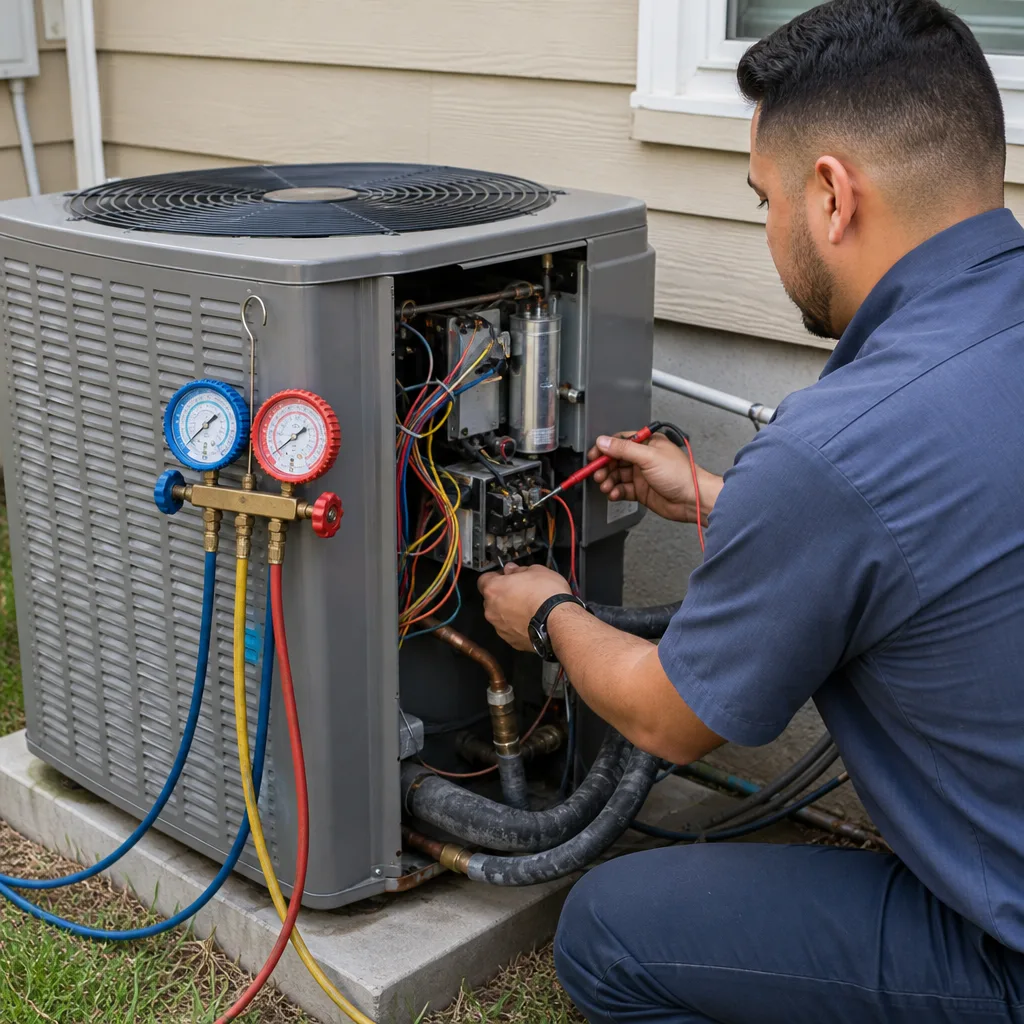
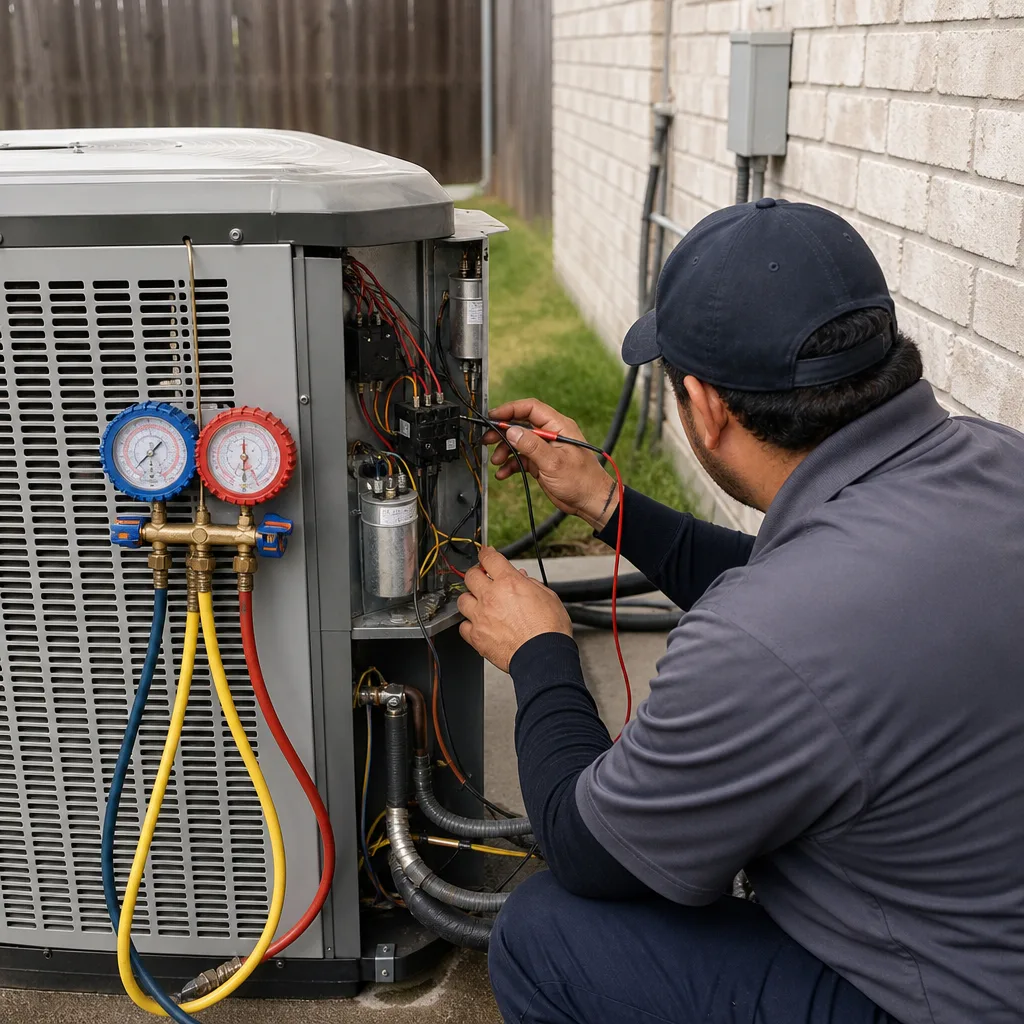
See the difference
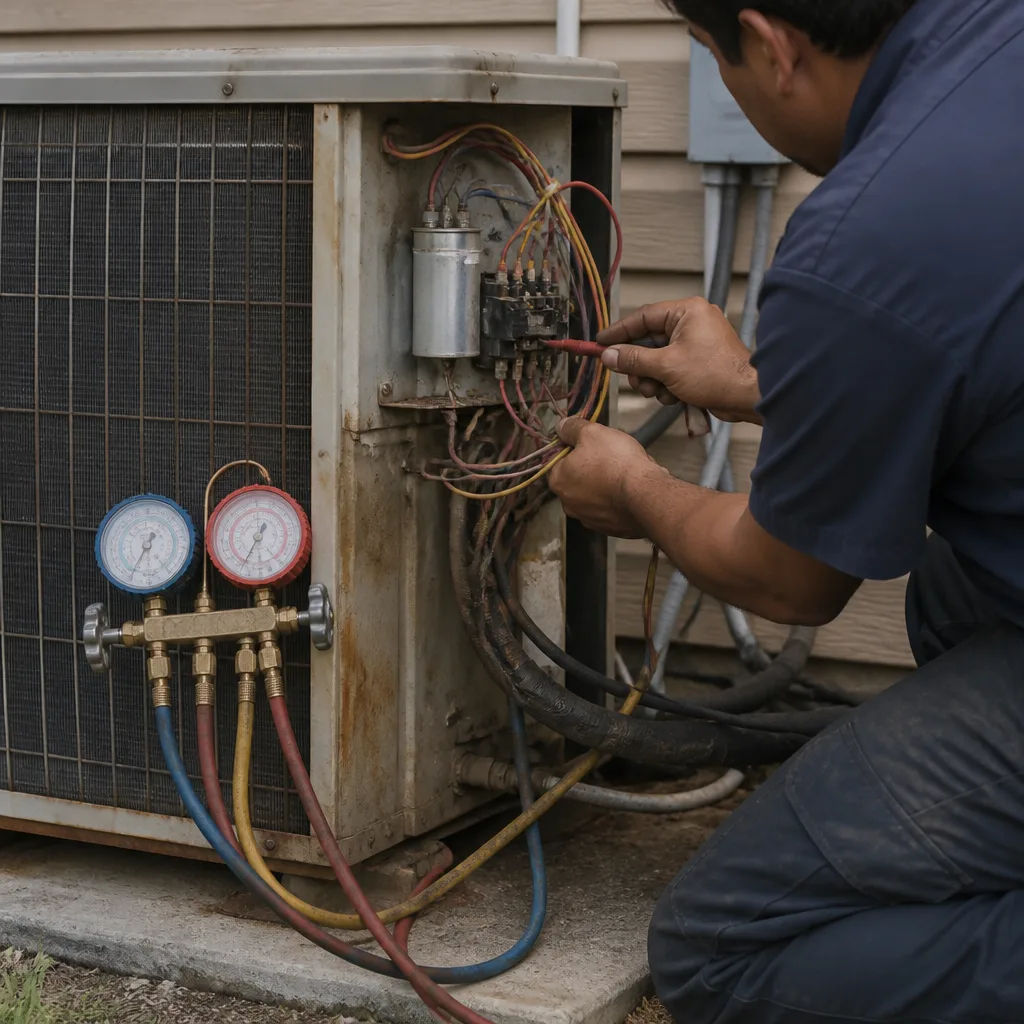 Before
 After
After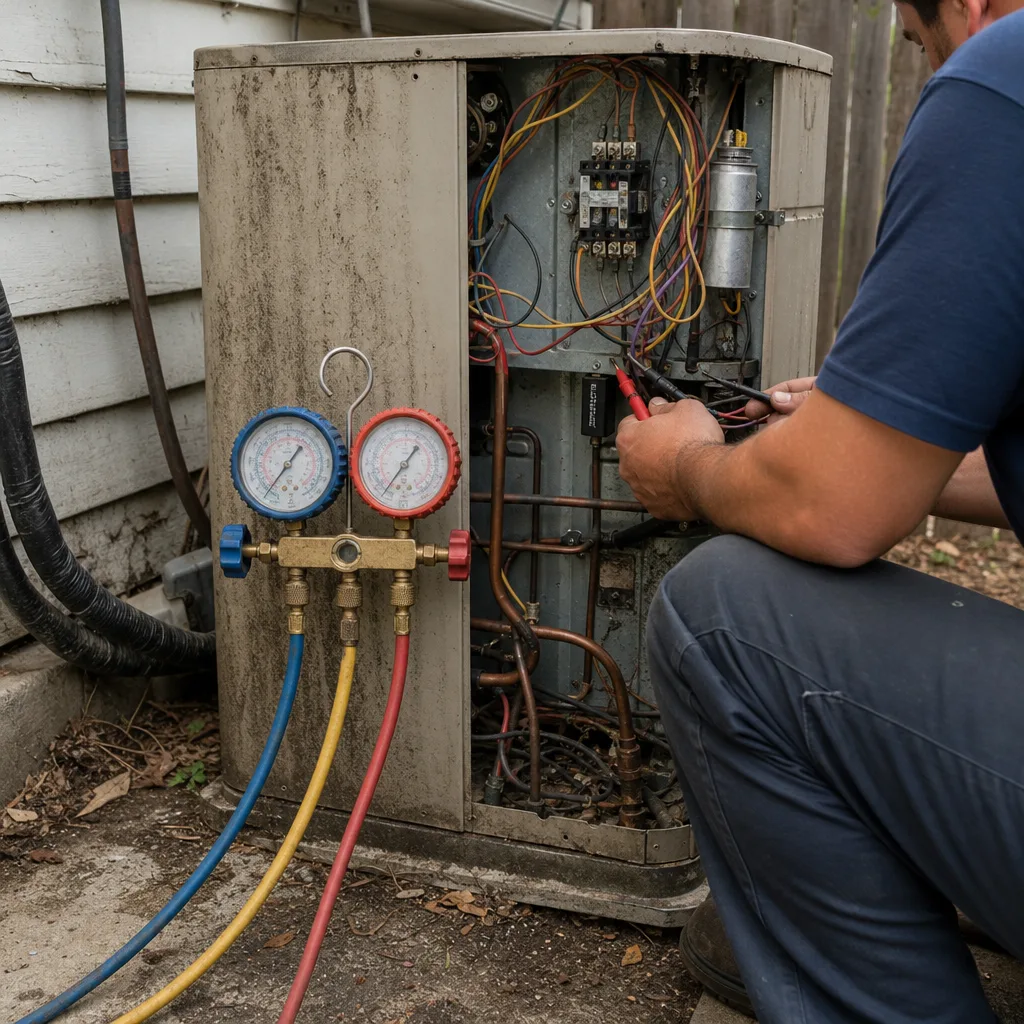 Before
 After
After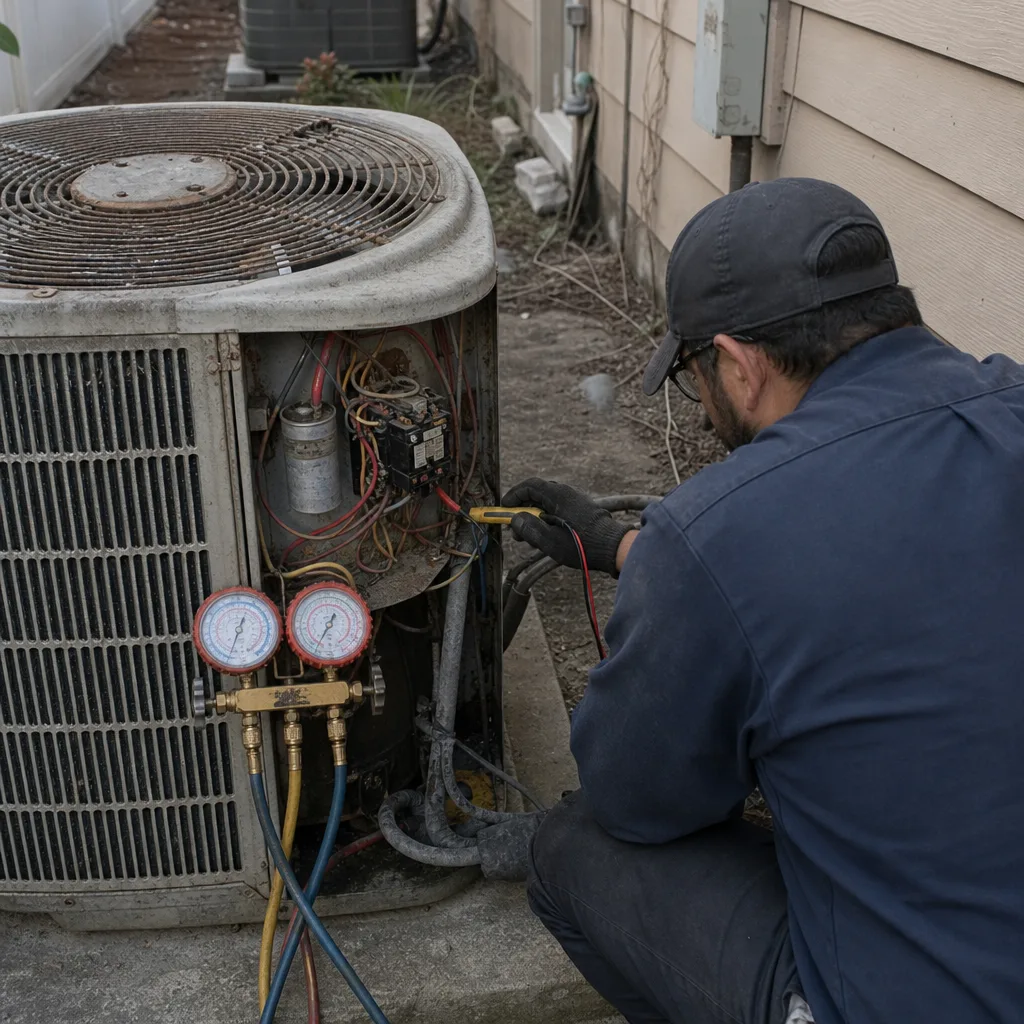 Before
 After
AfterSan Antonio Climate and Code: What It Means for Your System
San Antonio’s climate affects HVAC systems in ways that no national guide captures. We run our cooling systems from April through October, often with daytime highs above 95°F and nighttime lows that don’t drop below 80°F for weeks at a time. That means the system is working harder, longer, and under more consistent load than systems in most of the country. Code requirements in San Antonio are written with that reality in mind.
Sizing is a code matter. The Texas licensing rules require contractors to run a Manual J load calculation before installing new equipment. This isn’t a suggestion; it’s a TDLR requirement. A system that’s oversized for the home will short-cycle, fail to dehumidify properly, and drive up energy bills. A system that’s undersized will run continuously, ice up, and fail early. San Antonio’s humid summers make proper load calculation a comfort issue as well as an equipment longevity issue. The inspector may not verify the load calculation on the spot, but the contractor is legally required to have performed it, and the results should be documented.
Ductwork in unconditioned attics. Most San Antonio homes have ductwork running through attic space that hits 130°F or higher in July. Code requires ductwork in unconditioned spaces to be insulated (R-6 minimum for flex duct). The inspector will check this. Homes built before energy code updates in the 2000s often have R-4.2 ducting, which is below current standards and should be upgraded during a replacement. It’s a common recommendation, and while it adds to the project cost, the payback in energy savings during San Antonio’s long cooling season is measurable.
Condensate drainage in high humidity. A San Antonio AC system in August can pull several gallons of water out of the air per day. The secondary drain pan and overflow switch are not optional extras and the inspector will verify them. We’ve seen water damage from failed condensate drainage in neighborhoods across San Antonio, from Alamo Farmsteads to Encino Park, and it’s almost always traceable to a missing or malfunctioning overflow shutoff.
Common Mistakes to Avoid
- Trusting a contractor who says “you don’t need a permit for that.” If the job is a replacement or new installation, you need a permit in San Antonio. A contractor who says otherwise is either inexperienced or trying to cut corners. Either way, the risk is yours, not theirs.
- Pulling your own homeowner permit. It saves the permit fee, but it makes you the legally responsible party for code compliance. If the work fails inspection, the corrections are your liability. Most licensed contractors in San Antonio will not work under a homeowner-pulled permit.
- Assuming the seller’s disclosure covers you. The Texas Seller’s Disclosure is only as good as the seller’s honesty and memory. Don’t rely on it. Check the permit record directly with the city before you close.
- Waiting until the system fails to think about permits. Emergency replacements in July happen. But even in an emergency, the permit can be pulled quickly, often same-day. A competent contractor can file the permit and schedule the inspection without delaying your cooling.
- Not asking the contractor to itemize the permit fee. If the written estimate doesn’t include a permit line item, ask why. A reputable San Antonio HVAC company includes permit costs in the written price. If it’s missing, it may mean the contractor doesn’t intend to pull one.
- Burying your head in the sand after discovering unpermitted work. The problem doesn’t get better with time. The retroactive permit process exists, it’s manageable, and it’s cheaper than the alternatives: a denied claim, a failed sale, or a system that’s unsafe.
- Hiring based on price alone. The lowest bid often reflects missing items, and the permit is one of the first to go. A written price that includes permits, inspections, and a real warranty is a better comparison point than a phone estimate that doesn’t.
When to Call a Professional
Any time you’re planning work that involves replacing your AC system, furnace, or heat pump, or modifying ductwork, refrigerant lines, or gas connections, you need a licensed professional. Beyond the permit question, the safety and performance stakes are too high for DIY or handyman work. Refrigerant handling requires EPA Section 608 certification. Gas line work requires a licensed plumber or HVAC technician with gas certification. Electrical work for HVAC equipment requires knowledge of local code. A licensed contractor handles all of it, files the permit, meets the inspector, and stands behind the work. Meadowsweet Heating and Air San Antonio offers free estimates in San Antonio for replacement and installation projects. The written estimate includes the permit fee, the equipment, the labor, and the inspection, so there’s nothing hidden. Call (254) 271-2545 to schedule a visit. A live person answers, day or night.
Frequently Asked Questions
Yes. A full AC or heat pump replacement in San Antonio requires a mechanical permit from the City of San Antonio Development Services Department. The permit must be pulled before work begins, and a final inspection is required to close the permit. Repairs that replace individual components like capacitors, contactors, and fan motors generally do not require a permit.
Residential HVAC permit fees in San Antonio typically range from $60 to $180 for a standard replacement, and $150 to $300 for new installations or projects involving ductwork. The exact fee depends on the scope and valuation of the work. A licensed contractor will include the permit fee as a line item on the written estimate.
Simple replacement permits are usually issued within 1 to 3 business days, and many are approved same-day. The inspection is typically scheduled within 1 to 5 business days after the contractor calls it in. A clean project goes from application to closed permit in 1 to 2 weeks.
You can list it, but the sale may stall. Title companies and lenders increasingly check permit records, and unpermitted work can become a title exception or a lender requirement. The resolution is a retroactive permit, inspection, and corrections. Sellers who discover unpermitted work before listing can resolve it on their own timeline rather than at the closing table.
It can. Most Texas homeowner’s policies contain a code-compliance clause that allows the insurer to deny or reduce a claim when unpermitted or non-code-compliant work contributed to the loss. This applies to fire, water, and equipment damage claims. A permitted installation with a closed record is the protection against this risk.
Contact the City of San Antonio to verify the permit history, then hire a licensed HVAC contractor to evaluate the work and file a retroactive permit. A retrofit inspection will identify code issues, and corrections can be made. Once the inspection passes, the permit is closed and the property’s record is clean. Call (254) 271-2545 if you’re in San Antonio and need a licensed contractor to evaluate unpermitted work.
Not automatically, but pulling a permit in San Antonio requires the contractor to hold a Texas Air Conditioning and Refrigeration Contractor License (TACL) and to be registered with the city. An unlicensed contractor cannot legally pull a permit. When the permit is in your contractor’s name, it confirms the license exists.
The buyer can ask the seller to resolve the issue before closing, including obtaining a retroactive permit and inspection. The buyer can also ask for a credit to cover the anticipated corrections. In some cases, the lender will require resolution before funding. Sellers who address the issue early in the listing process avoid this negotiation entirely.
The Bottom Line
The HVAC permit process in San Antonio is not a hassle. It’s the difference between a system that’s covered by your insurance and backed by a city inspection versus a system that becomes a title defect, a claim denial, or a closing-table crisis. Most replacements cost $60 to $180 in permit fees and take a week or two from application to closed permit. The work is inspected for the things that matter: clearances, drainage, electrical safety, gas connections, and code compliance. If you’re planning HVAC work, choose a contractor who includes the permit in the written price and handles the process from start to finish. If you already have unpermitted work, the path to fixing it exists and is worth walking. Questions about permits, inspections, or a replacement system? Call (254) 271-2545 for a free estimate, and we’ll walk you through exactly what’s required for your home.
Written by Luis Serrano, Owner at Meadowsweet Heating and Air San Antonio, serving San Antonio since 2004.