
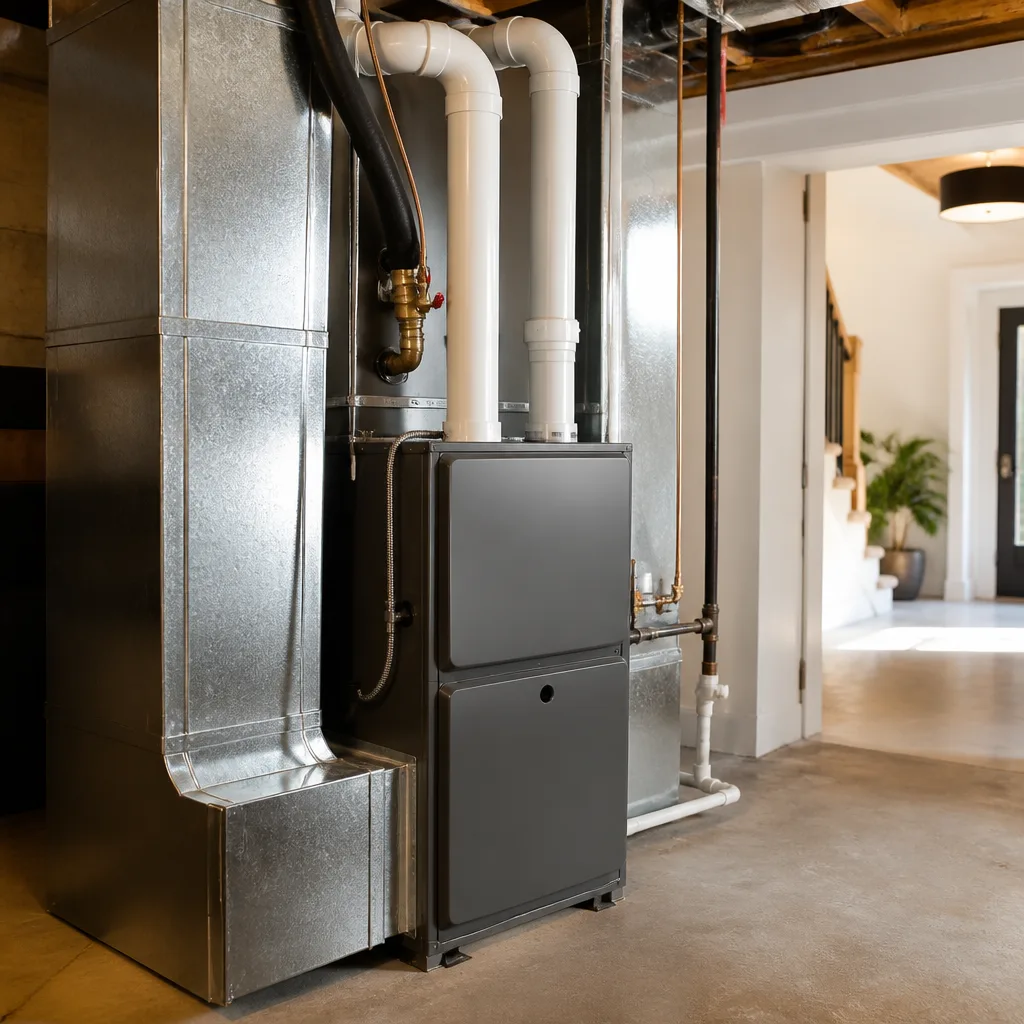
 Furnace & heating
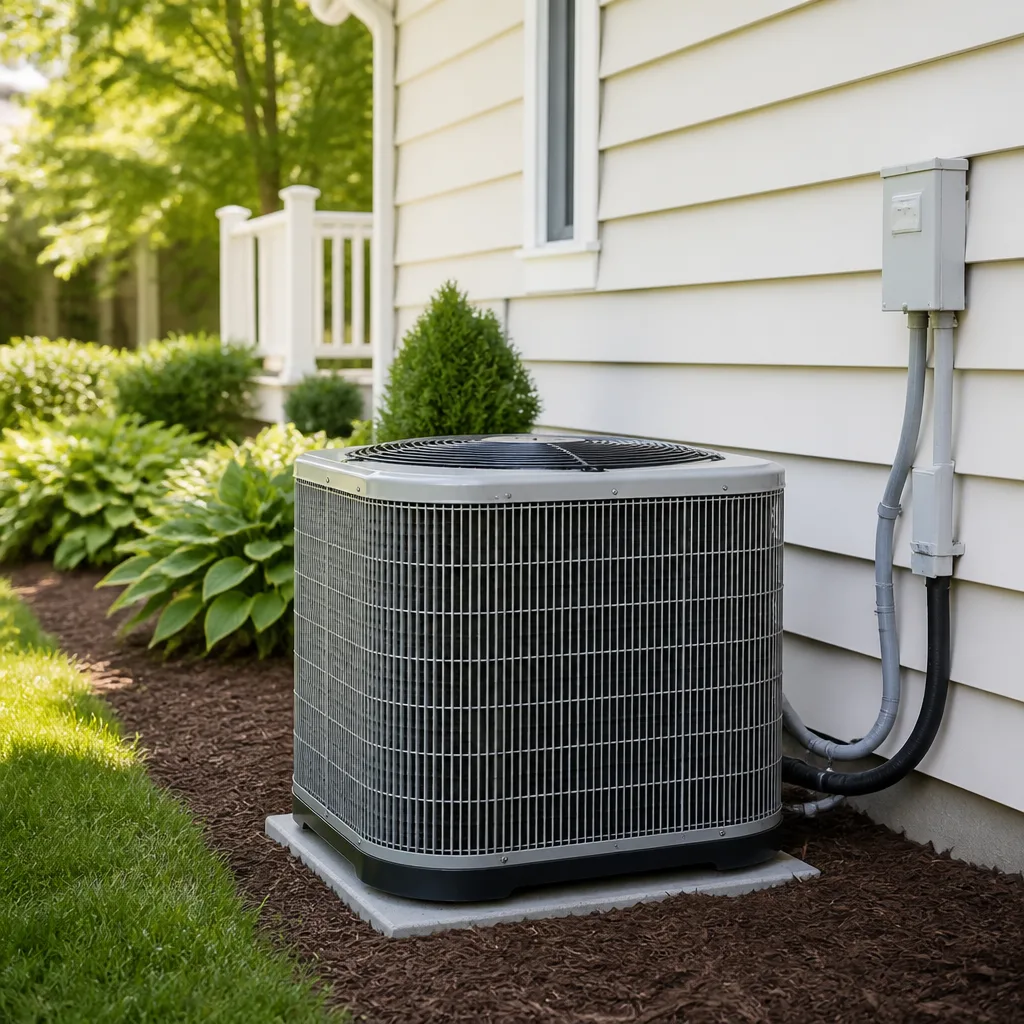 AC repair
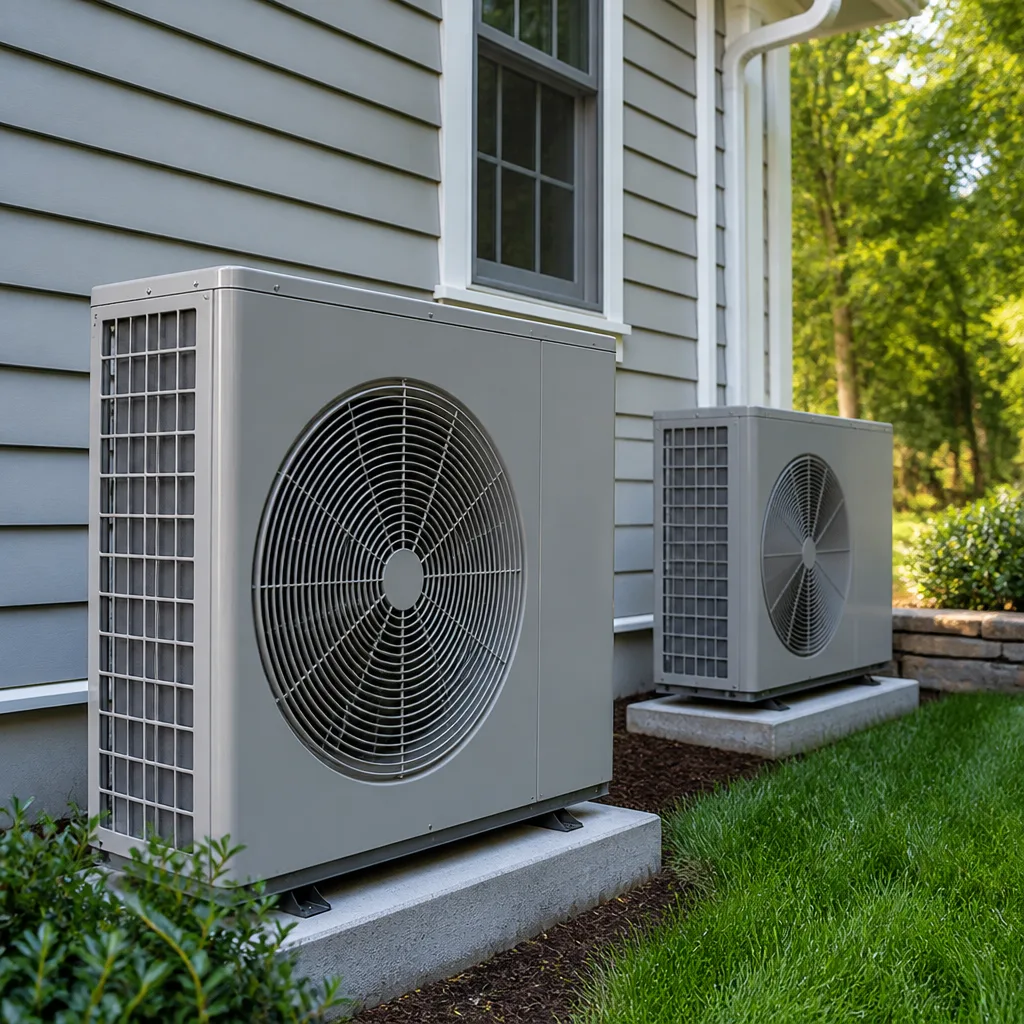 Heat pumps
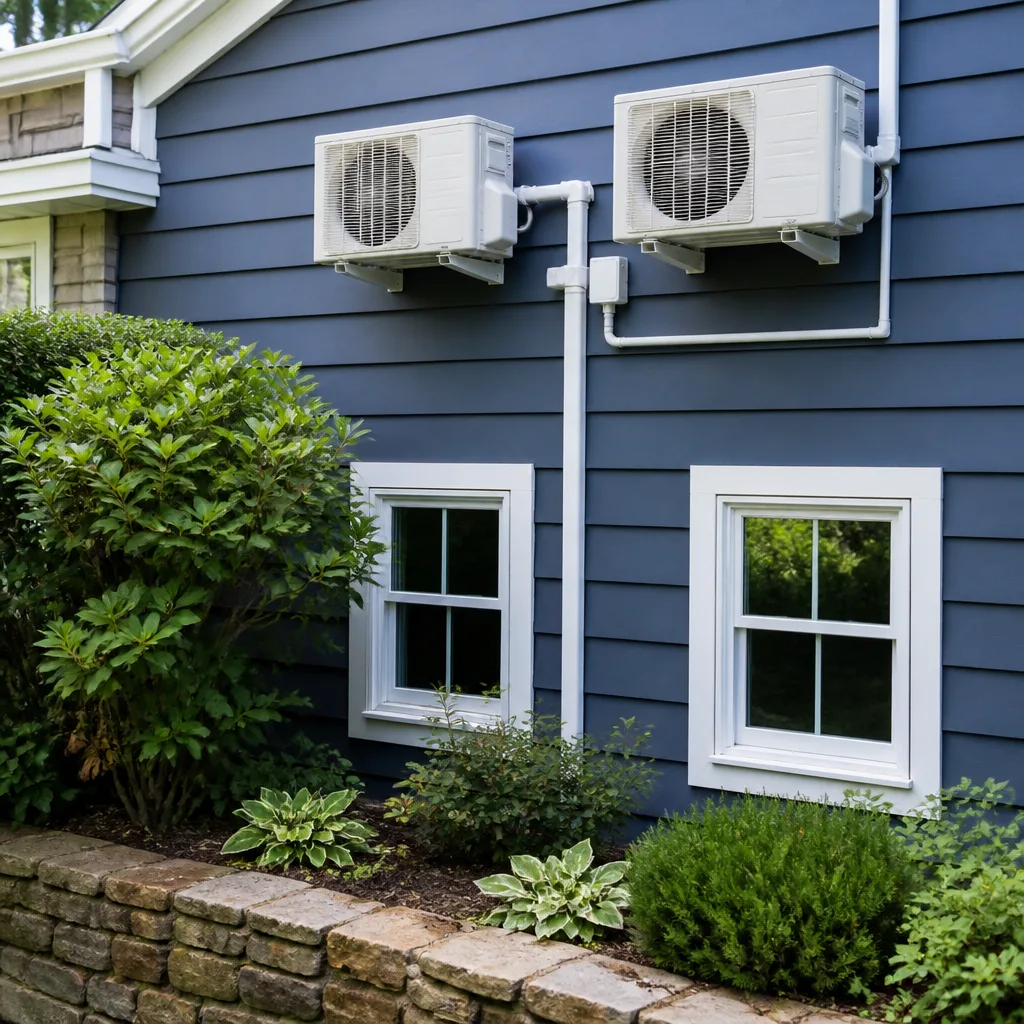 Ductless mini splits
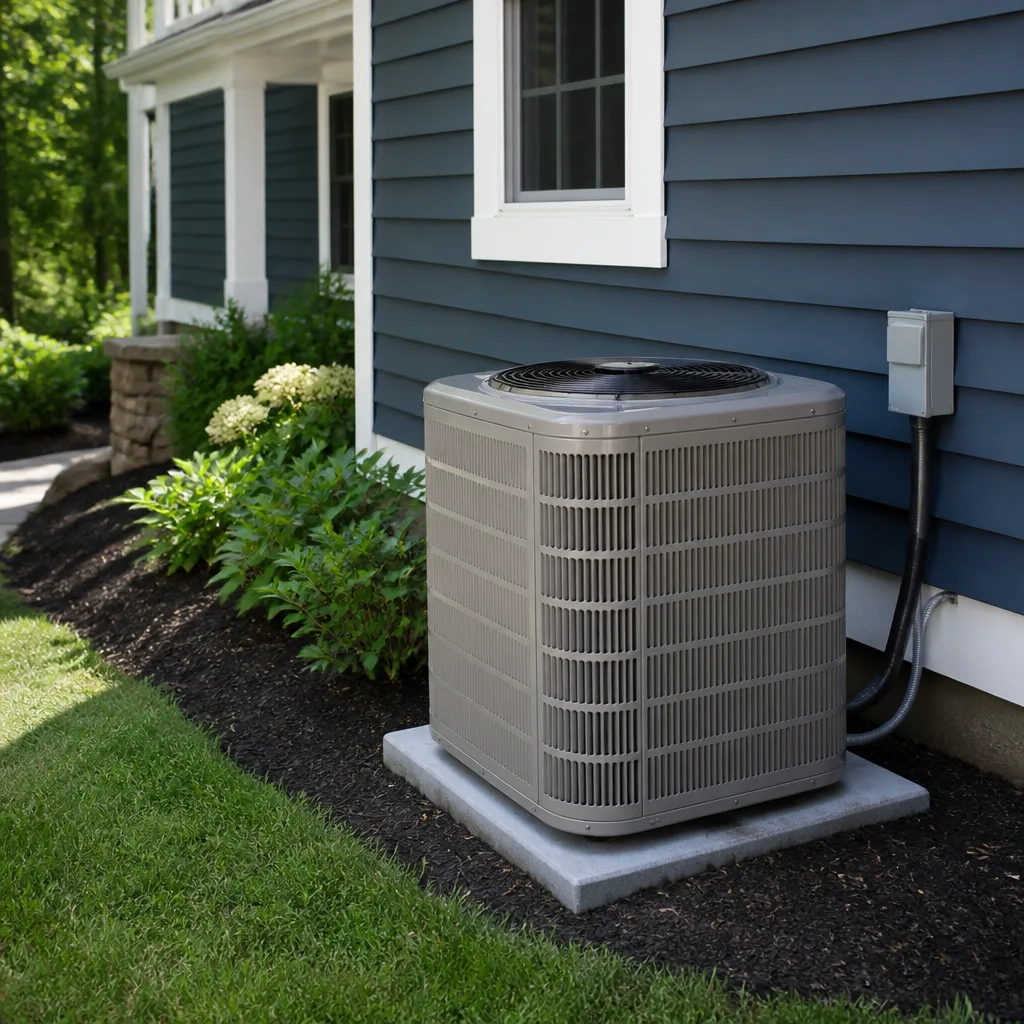 Carrier
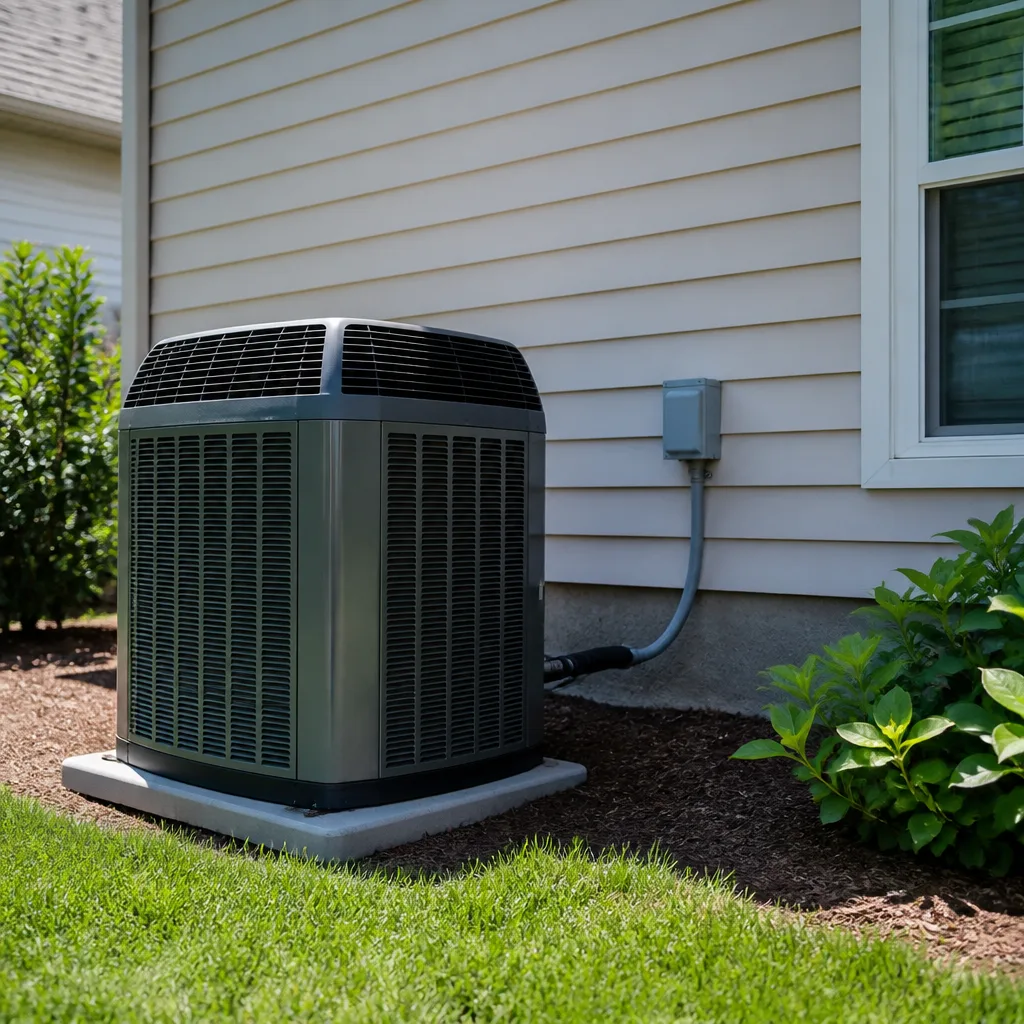 Trane
Trane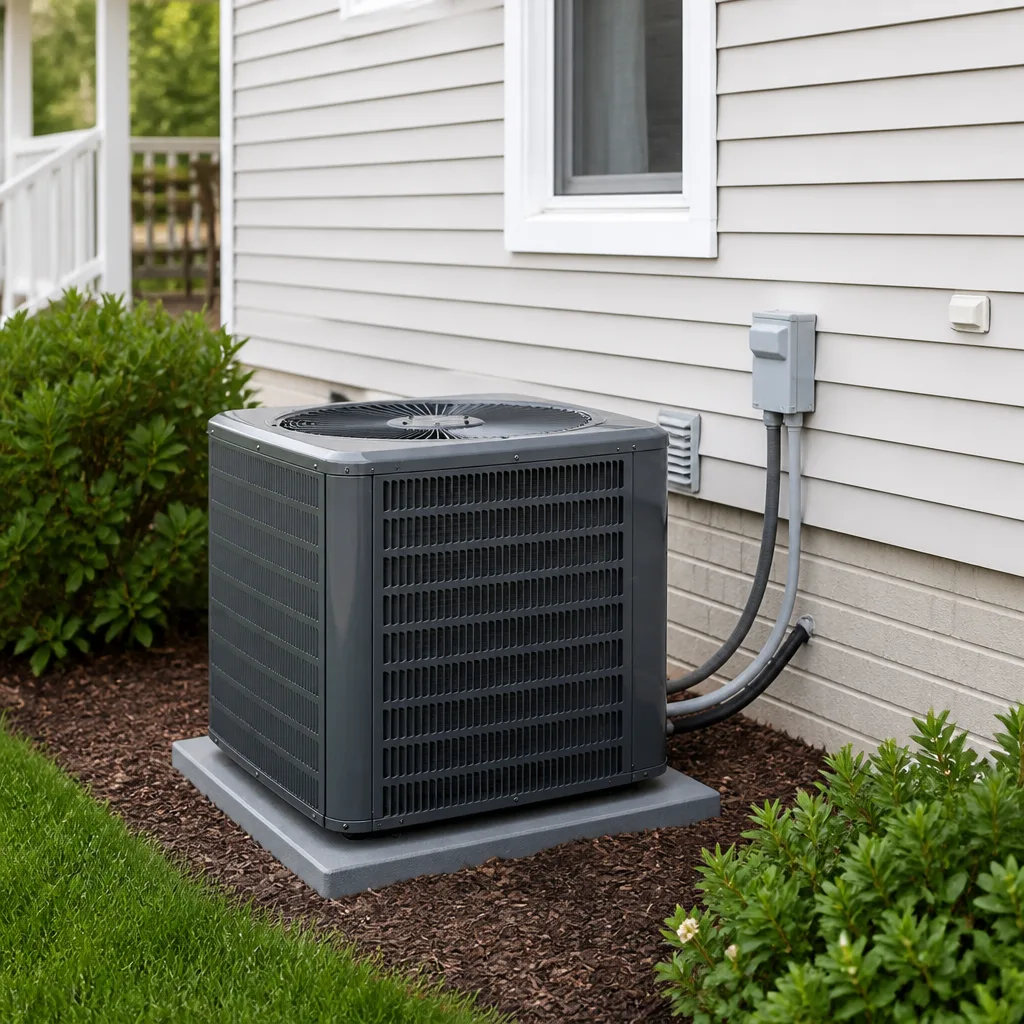 Goodman
Seasonal tune-up and full diagnostic on your Carrier, Trane, or Goodman system - readings shown to you before any repair is proposed
Diagnosis first, numbers second - you approve the repair price before a single part goes in.
Get your free estimateDaikin Mini-Split Installation: The San Antonio Owner’s Guide
Daikin mini-split installation in San Antonio typically runs $3,500 to $7,500 depending on system size, number of indoor heads, and the condition of your existing electrical and line-set. We stock Daikin-compatible installation components on our trucks and can schedule most single-zone installs within a few days during spring and fall, which is honestly the best time to do this work in Bexar County before the summer heat hits. Most homeowners call us after a compressor overheats in July, a line-set develops a slow leak, or an old indoor unit starts rattling like a maraca every time it cycles on. If you’re reading this with a dead or dying Daikin unit, here’s exactly what you need to know to make a smart decision.
Key takeaways:
- We install and service Daikin mini-splits across all nine major brands we carry, but we know Daikin’s specific quirks better than most.
- Written price before any work starts, every time. No surprises when the job is done.
- We’re an independent service provider, not affiliated with Daikin, which means we can recommend the right fix without brand pressure.
- If it’s not done right within 365 days, we make it right. No fine print.
Which Daikin Models This Applies To
Daikin’s mini-split lines in San Antonio homes fall into a few clear families. The Aurora series (often installed for colder climates, but still common in Texas for its heating performance), the 17 Series and 19 Series (single-zone and multi-zone high-efficiency units), the Emura and Perfera designer lines (where the indoor head is mounted and finished to look more polished), and the VRV and SkyAir lines for larger or multi-room systems. What matters on installation day is not the marketing name but two things: the condenser model number on the outdoor unit’s side panel, and the refrigerant type stamped there. Older Daikin units run R-410A. Newer installs in 2025 and 2026 may arrive as R-32 systems, which changes line-set sizing, flare fittings, and the tools a technician must bring. If a contractor quotes you without asking whether your Daikin is R-410A or R-32, walk away.
On the OEM versus aftermarket question: Daikin’s own line-sets, condensate pumps, and mounting brackets are well made and spec-matched, but quality aftermarket parts from suppliers like DiversiTech or RectorSeal perform just as well for brackets, pads, and line-set covers, often at 20 – 30% less. We’ll show you the difference on the written estimate. Inside the refrigerant path itself, we use Daikin OEM flare nuts and filter driers because the tolerances matter, and a slightly off-spec flare connector is exactly how slow leaks start six months after a cheap install. That’s the kind of thing we refuse to cut corners on.
Styles & brands we work with
Signs Your Daikin Mini-Split Installation Is Failing
- Warm air blowing from the indoor head while the outdoor unit runs constantly. This usually points to a slow refrigerant leak at a flare connection, which is the single most common failure we see on older Daikin installs. If the original installer over-tightened or under-tightened a flare nut, the system loses charge gradually until it can’t cool.
- Water dripping from the indoor unit or a faint hissing sound behind the wall. The condensate drain line or pump is either clogged or failed. In San Antonio’s humidity, this shows up fast, and the water can damage drywall, flooring, and whatever is sitting below the unit.
- The outdoor condenser cycles on and off every few minutes. Short-cycling is often a failing capacitor or a clogged coil, but it can also be a sign the system was oversized or the line-set is kinked. Either way, it’s punishing your electric bill and shortening the compressor’s life.
- One room cools fine while another room with a head unit barely changes temperature. This could be a failing expansion valve in the indoor head, a refrigerant undercharge affecting one branch of the system, or a control board starting to go. Daikin’s inverter boards are expensive to replace, so this symptom deserves a proper diagnostic.
- A burning smell from the outdoor unit or a loud metallic knocking at startup. Either one means stop running the system and call us. The burning smell is often a failed compressor or capacitor, and the knocking can be a damaged compressor mount or internal failure. Running it longer only turns a repair into a full replacement.
See the difference
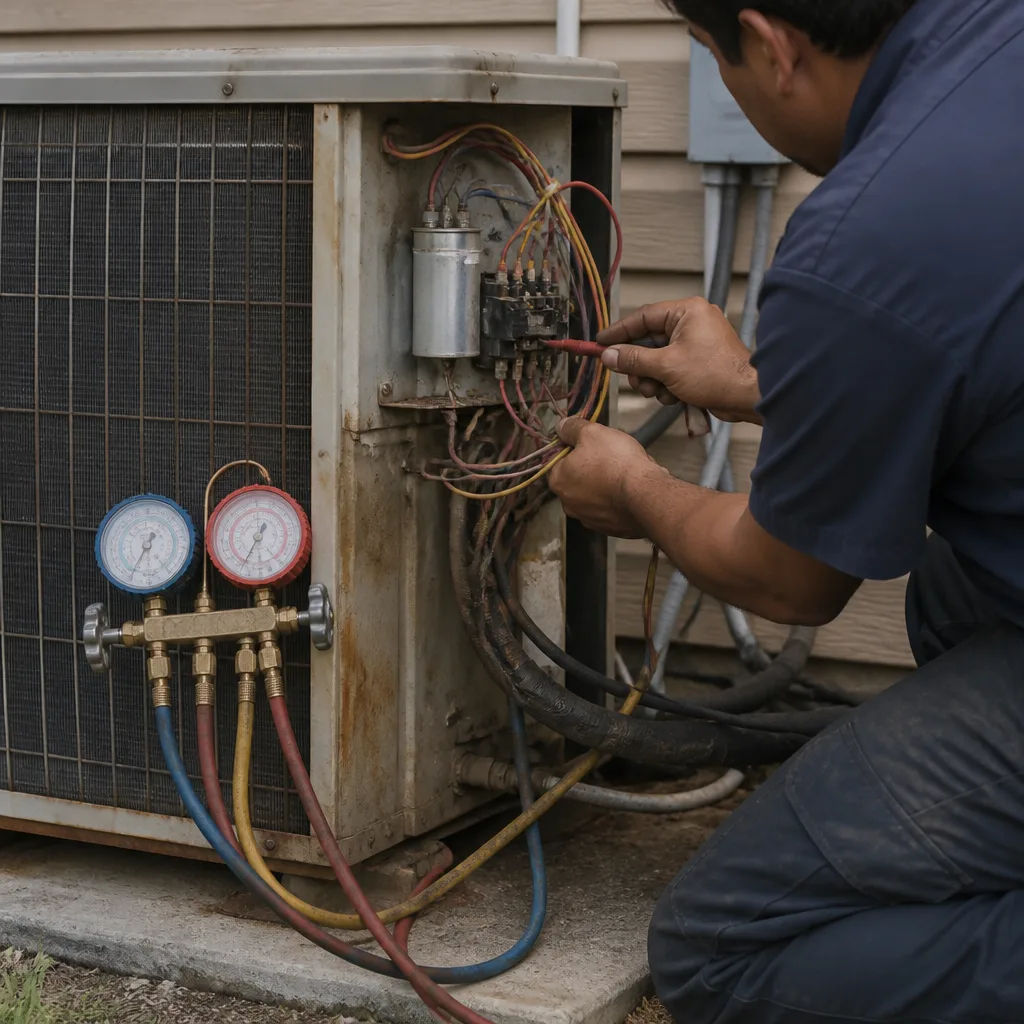 Before
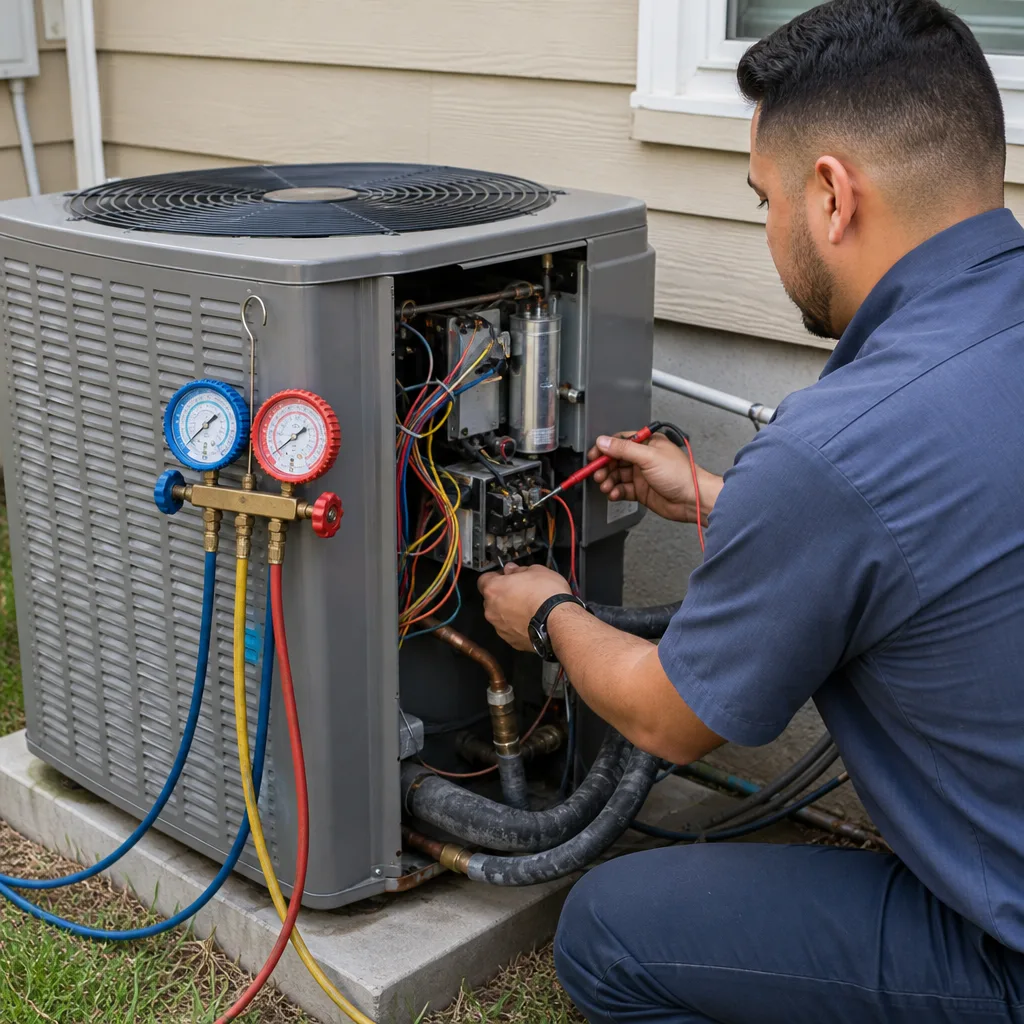 After
After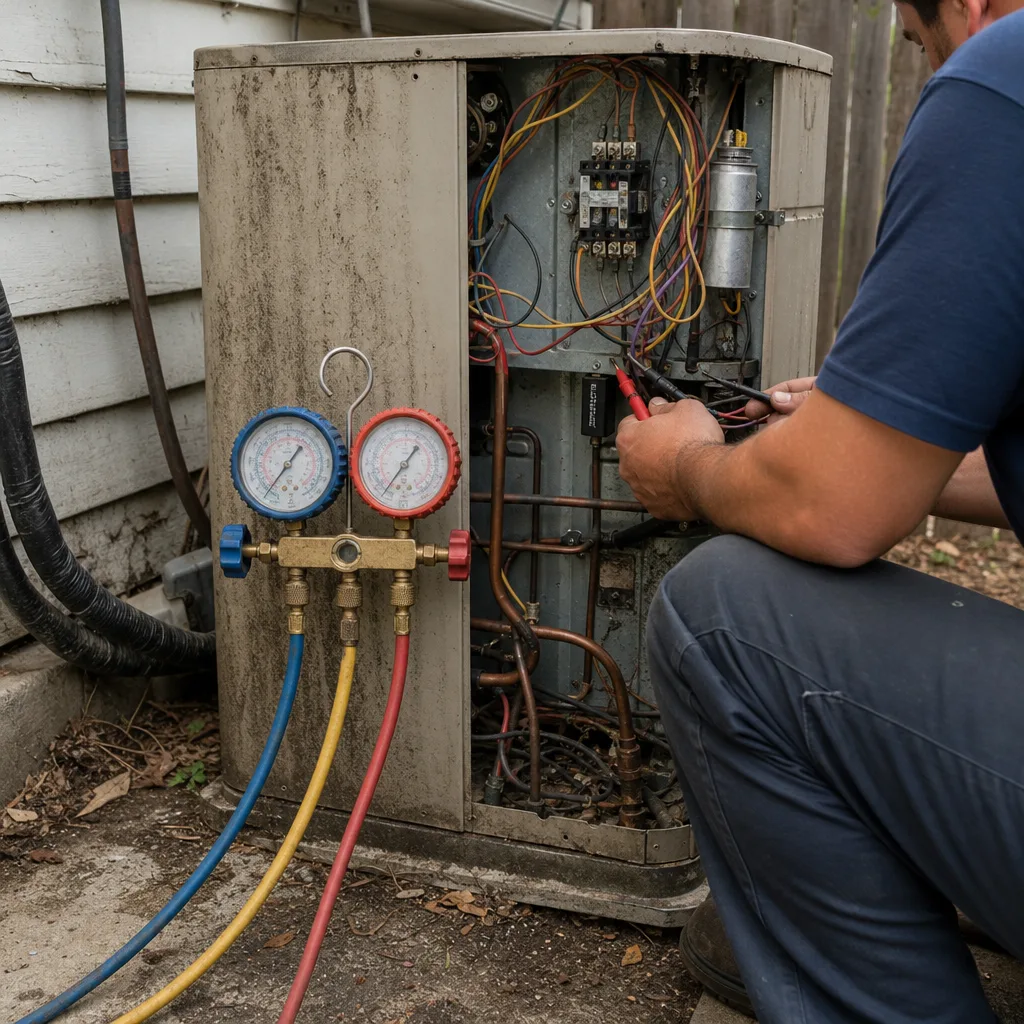 Before
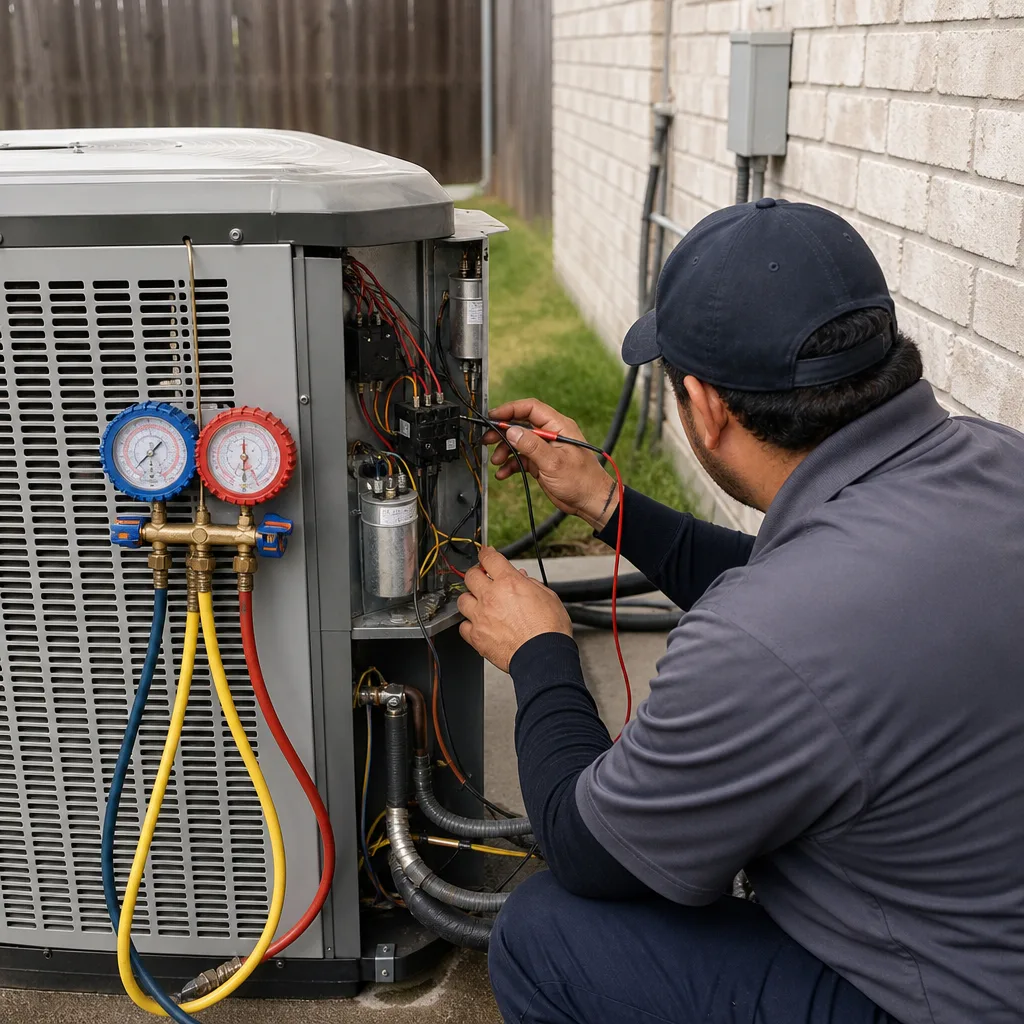 After
After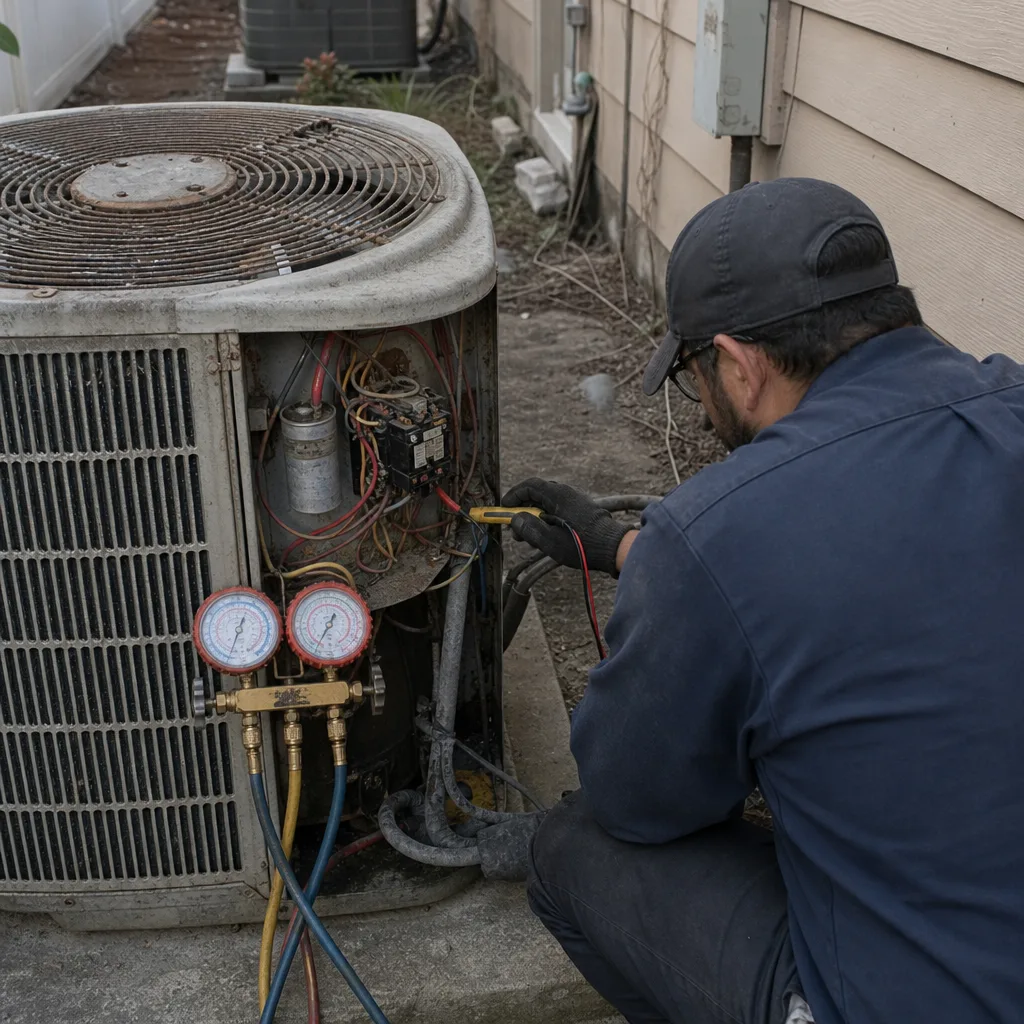 Before
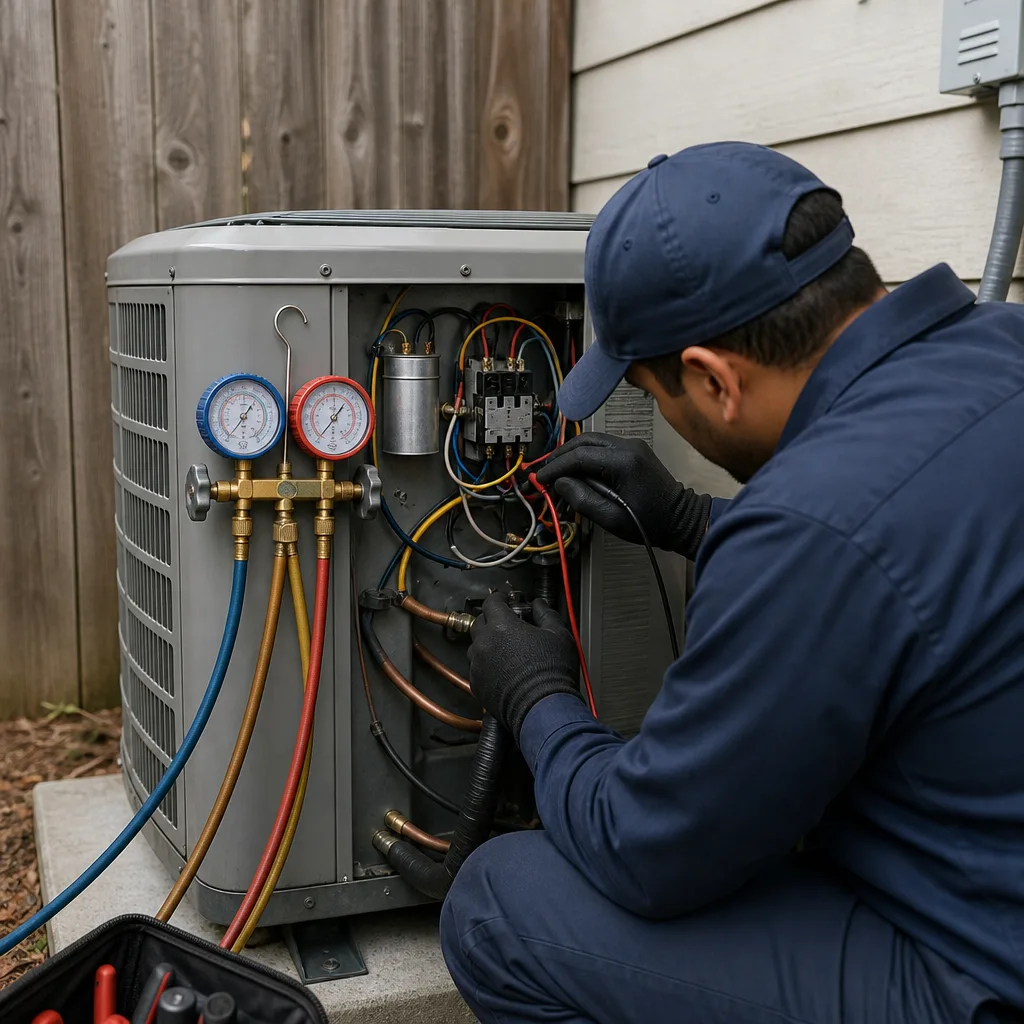 After
AfterReplacement Cost & What’s Included
Full Daikin mini-split installation in San Antonio ranges from $3,500 to $7,500. The low end covers a single-zone 12,000 BTU system where the existing electrical is adequate, the condenser sits close to the indoor head, and the line-set run is short and straight. The high end covers multi-zone systems with three or four indoor heads, a new dedicated circuit, longer line-set runs through attic or wall cavities, and possibly a condensate pump upgrade. Most jobs land between $4,500 and $6,000 for a two-zone Daikin system in a typical 1,800- to 2,400-square-foot San Antonio home.
Here’s what’s on the written estimate we hand you before anyone starts work:
| Installation Component | Typical San Antonio Range |
|---|---|
| Single-zone Daikin system (outdoor + indoor head) | $3,500 – $4,800 |
| Dual-zone Daikin system | $5,000 – $6,500 |
| Multi-zone (3+ heads) | $6,500 – $7,500+ |
| New dedicated electrical circuit | $300 – $600 |
| Line-set replacement (when old lines are contaminated) | $400 – $900 |
| Condensate pump replacement | $150 – $350 |
Every installation includes the Cedarwell Care Promise: a written price with line-item parts and labor before we start, background-checked uniformed technicians who follow our C.A.R.E. values code, shoe covers and drop cloths in your home, and a photo of the clean-up before we leave. The 365-Day Done Right Promise covers every aspect of the work for a full year. If the flare fittings leak, the line-set sags, or the unit doesn’t cool the way it should, we fix it. No runarounds.
DIY or Call Us?
Here’s the honest split. You can safely check the air filter on your indoor head: slide it out, wash it, let it dry, slide it back. You can also clear leaves and debris from around your outdoor condenser with a garden hose, gently, from the outside. Those two things prevent real problems. What you should not do yourself is open the refrigerant circuit, touch flare fittings, recharge anything, or replace electrical components like capacitors and boards. Daikin mini-splits run high-voltage electricity, and the refrigerant circuit holds pressures that can cause frostbite and system contamination if handled without the right recovery equipment. A mistake there voids your warranty and can turn a $300 repair into a $4,000 replacement. If your Daikin mini-split installation is failing, call (254) 271-2545 and talk to a live person. We’ll tell you over the phone what’s likely wrong, what it will cost to fix, and whether your time is better spent repairing or replacing. No guesswork, no upsell.
FAQs
A properly installed Daikin mini-split in San Antonio should last 12 to 15 years before major component failure. The Texas heat shortens that compared to cooler climates because the condenser runs harder for more months of the year, but routine filter cleaning and an annual check of the flare fittings and coil will keep it in that range. Call (254) 271-2545 for an exact assessment of your system.
Yes, repair makes sense when the failure is isolated to a capacitor, condensate pump, drain line, fan motor, or a single flare fitting leak that hasn’t contaminated the whole system, with typical repair costs ranging $150 to $650. If the compressor has failed or the system has been leaking slowly for more than a season, replacement is usually the better financial decision. We’ll show you both options with real numbers before you commit.
A single-zone Daikin mini-split installation usually takes one full day for a crew of two technicians. A dual-zone or multi-zone system can take two to three days depending on line-set routing, electrical work, and whether we’re recovering refrigerant from an old system. We’ll give you a firm schedule with the written estimate.
We stock the common Daikin installation components on our trucks, including line-sets, flare connectors, mounting brackets, condensate pumps, disconnect boxes, and filter driers. If your job needs a special-order Daikin part, we’ll tell you upfront and schedule the work once it arrives so you aren’t left waiting without cooling. We also keep parts for Carrier, Trane, and Lennox systems.
Luis Serrano, our owner, grew up in East Los Angeles and learned the trade at Los Angeles Trade-Technical College before spending decades running HVAC work across the Southwest. He has served San Antonio for years, from quiet streets in Alamo Heights to homes near the Pearl District, and he built his reputation on careful installs. As Luis puts it: “Tell me what the house is doing, and I will tell you what it needs – no guesswork, no upsell.” When you call Meadowsweet Heating and Air San Antonio, a live person answers 24/7, including nights and weekends. We’ll talk through your Daikin mini-split, set up a time that works for your family, and show up with a written price before any tool comes out of the truck. Call (254) 271-2545 for a free estimate.
Written by Luis Serrano, Owner, Meadowsweet Heating and Air San Antonio at Meadowsweet Heating and Air San Antonio, serving San Antonio and nearby areas.