
 AC repair
 Furnace & heating
 Heat pumps
 Ductless mini splits
 Carrier
 Trane
Trane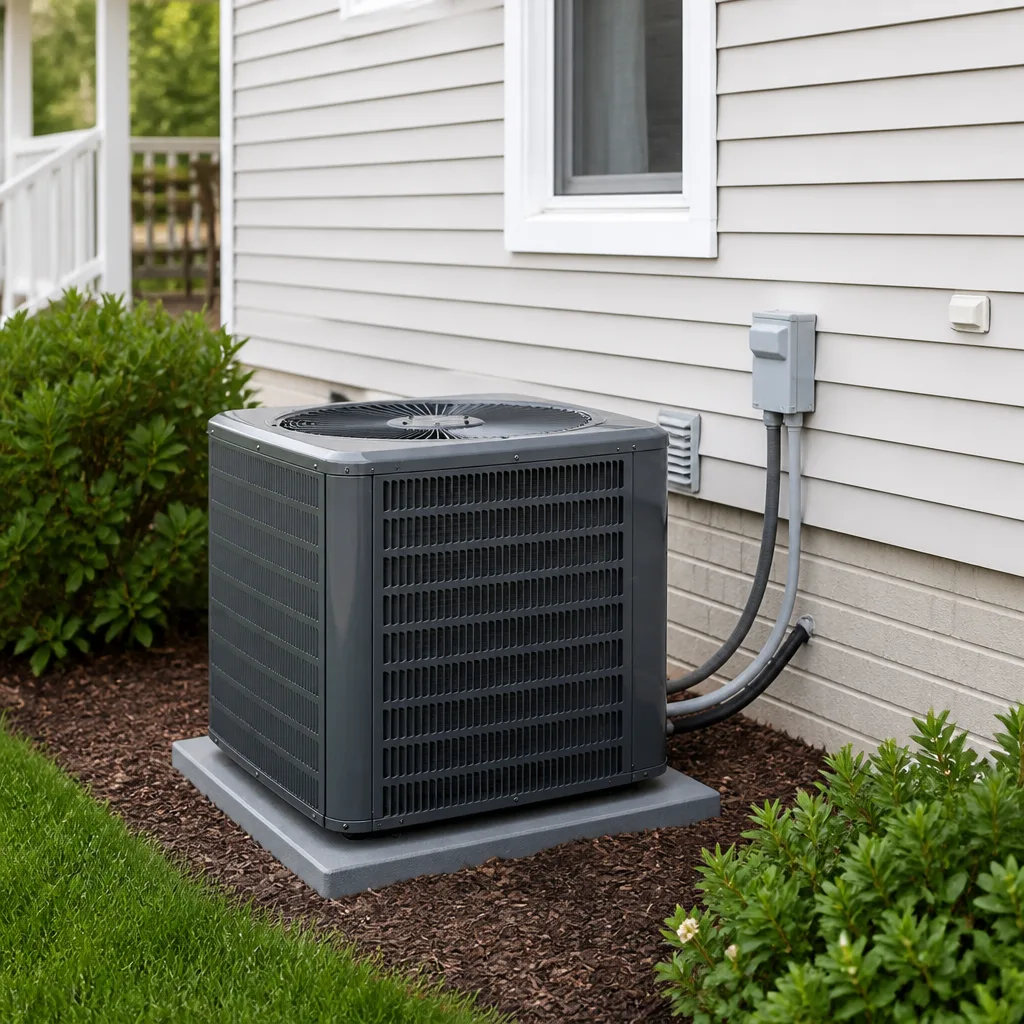 Goodman
Seasonal tune-up and full diagnostic on your Carrier, Trane, or Goodman system - readings shown to you before any repair is proposed
Diagnosis first, numbers second - you approve the repair price before a single part goes in.
Get your free estimateYork Ductwork Repair: The San Antonio Owner’s Guide
York ductwork repair in San Antonio typically runs $300 to $1,800 installed, depending on how much duct has failed and whether we’re sealing, patching, or replacing a section. Most repairs are completed same-day because our trucks carry York-compatible duct fittings, mastic, and sealing tape as standard stock. The call usually starts the same way: a room that won’t cool, a musty smell from a vent, or an electric bill that jumped $80 in one San Antonio July. Here’s what you need to know before anyone opens a wall or crawls into an attic.
Luis Serrano has seen enough failed ductwork in San Antonio homes to know the pattern. Collars loosen, mastic cracks in attic heat, and flex duct sags where it was hung too far apart. None of it fixes itself. What should happen is straightforward: a technician finds the leak, seals it with the right material for our climate, and verifies the airflow before leaving. That’s the standard we hold ourselves to on every job.
Which York Models This Applies To
York’s residential lineup shares standard duct connection dimensions, which means our ductwork repair work applies across most York air handlers and furnaces installed in San Antonio over the past two decades. That includes York’s Affinity series (YP9C, YZH, YXT), the LX series (TM9Y, YCD, TG9S), and older Diamond 80 and Diamond 90 furnaces still running in neighborhoods like Alamo Heights and Terrell Hills. Duct sizing on these units typically runs 14 to 20 inches on the supply plenum and 16 to 20 on the return, but the real compatibility question is the collar, not the unit.
Here’s a compatibility gotcha worth knowing: York air handlers built before roughly 2010 often used square-to-round transition collars with a lip depth of 1 inch, while newer units ship with a 1.5-inch lip. If a previous contractor forced a newer collar onto an older air handler, the seal fails faster in San Antonio heat because the mastic can’t bridge that gap properly. When we start a ductwork repair, we check the collar fit first. It takes two minutes and prevents a repeat call.
On parts, we default to OEM York duct fittings when a match exists and the lead time is reasonable. For common items like take-off collars, dampers, and flex duct, quality aftermarket equivalents from brands like Hardcast and Nashua perform identically at a lower price. We’ll show you both options with prices before any work starts, so the choice is yours, not ours.
Styles & brands we work with
Signs Your York Ductwork Repair Is Failing
- A room that never reaches the thermostat setting. This usually means a supply duct has separated at a collar or a flex run has collapsed. The air is leaving the system before it reaches that room, which is why closing vents in other rooms makes little difference.
- Dust building up fast on furniture. A return-side leak pulls attic air, insulation fibers, and dust into the system. In San Antonio, where attics run 140 degrees in August, that also means you’re pulling superheated air into the return, which forces the York unit to work harder.
- A smell like hot attic or old insulation from the vents. This is a supply-side leak pulling attic air into the conditioned stream. If you smell it in one room but not others, the leak is in that specific branch line.
- An electric bill that spiked without a change in thermostat habits. Leaking ducts can lose 20 to 30 percent of conditioned air. In San Antonio, with cooling seasons that run from April through October, that loss shows up as real money every single month.
- Rattling or a soft thumping sound when the blower starts. Flex duct that has sagged or a collar that has worked loose will move when air pressure changes. The noise often disappears after the blower runs for a minute, but the leak doesn’t.
See the difference
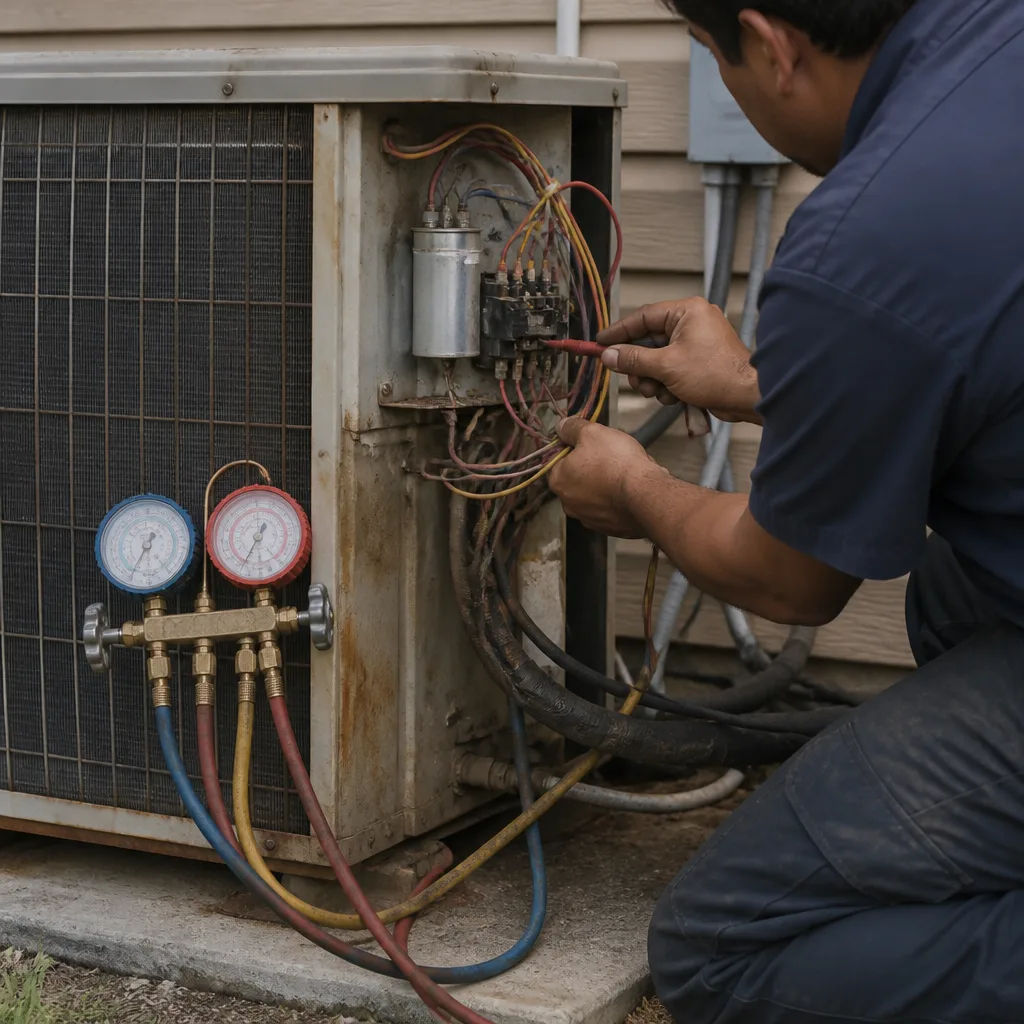 Before
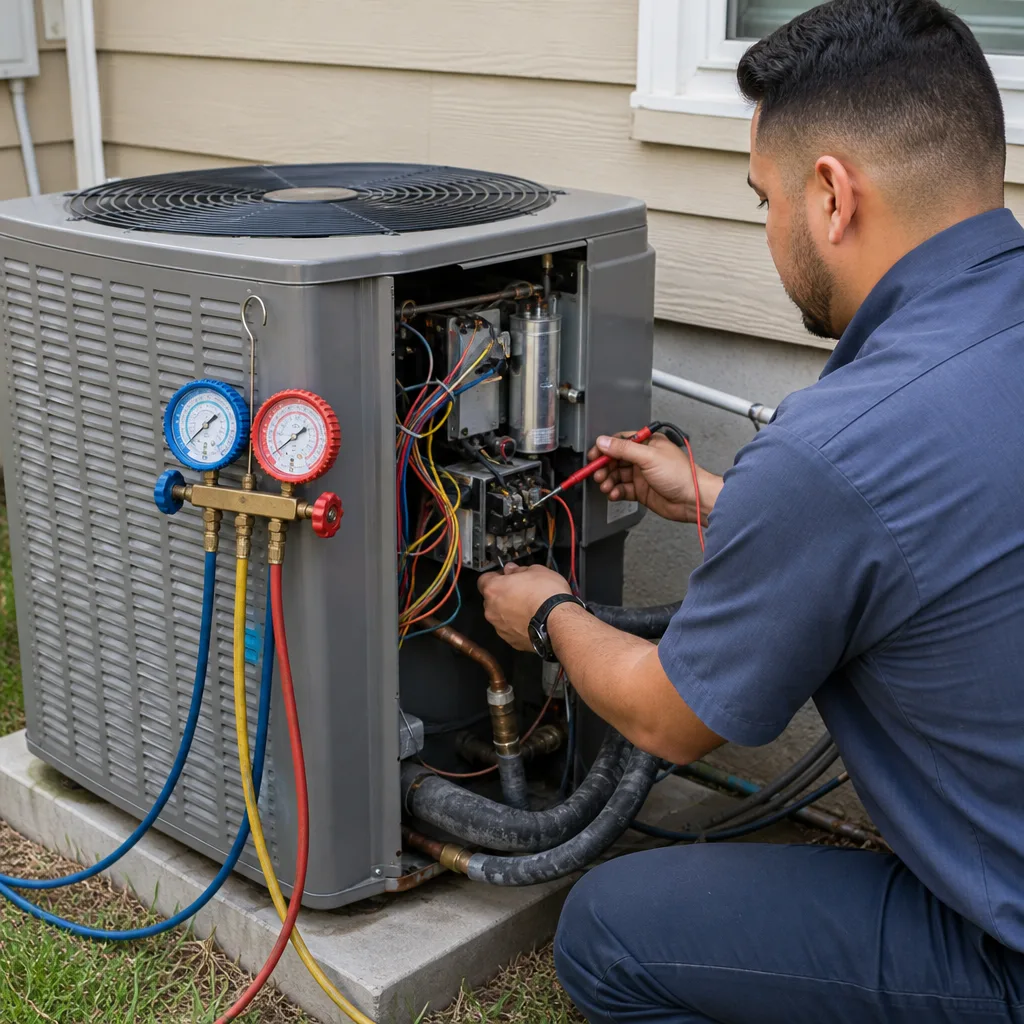 After
After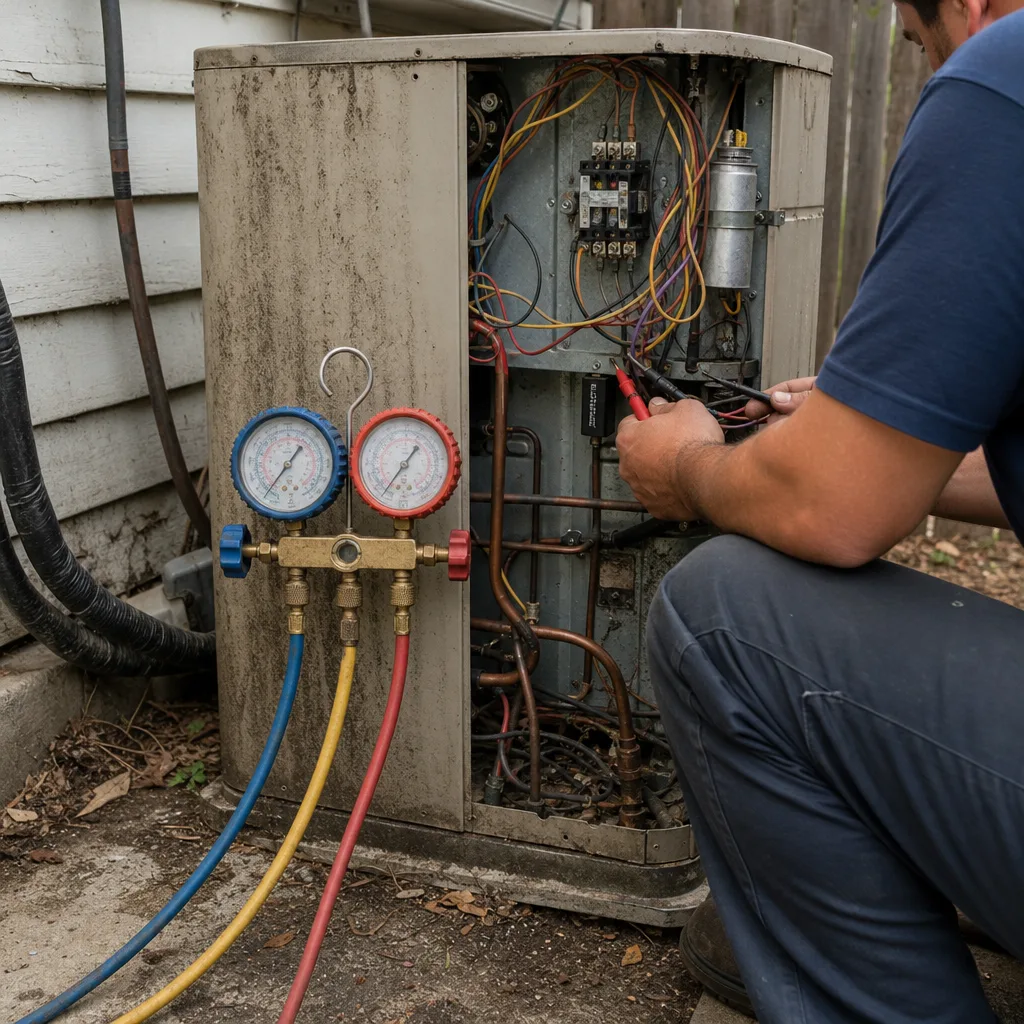 Before
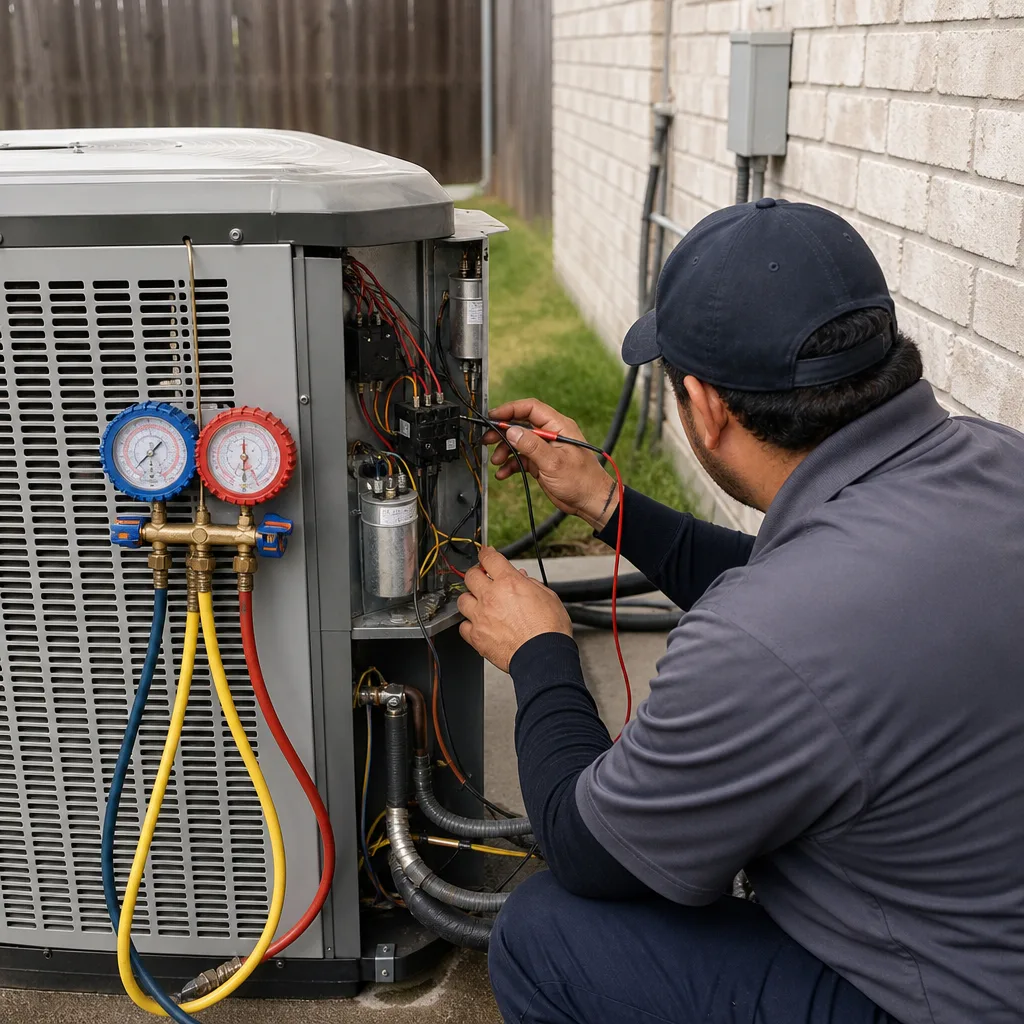 After
After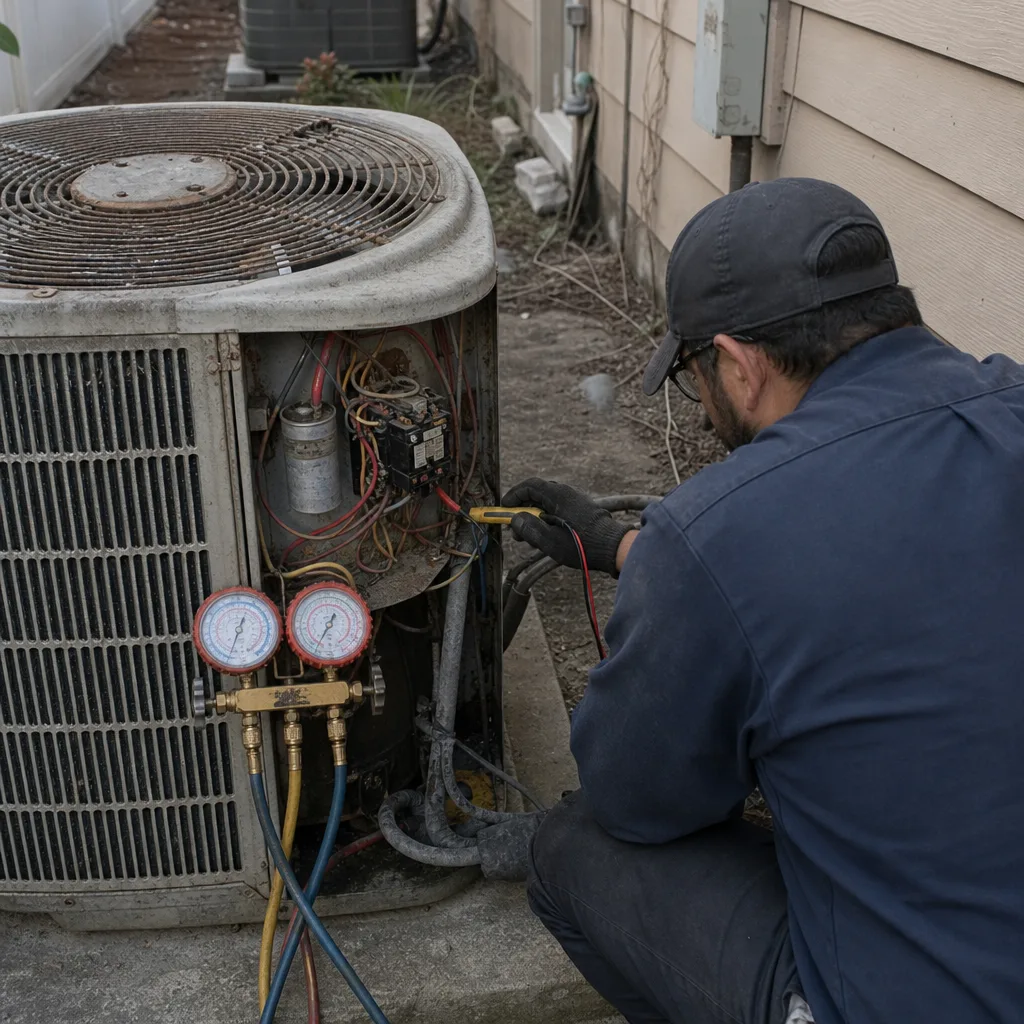 Before
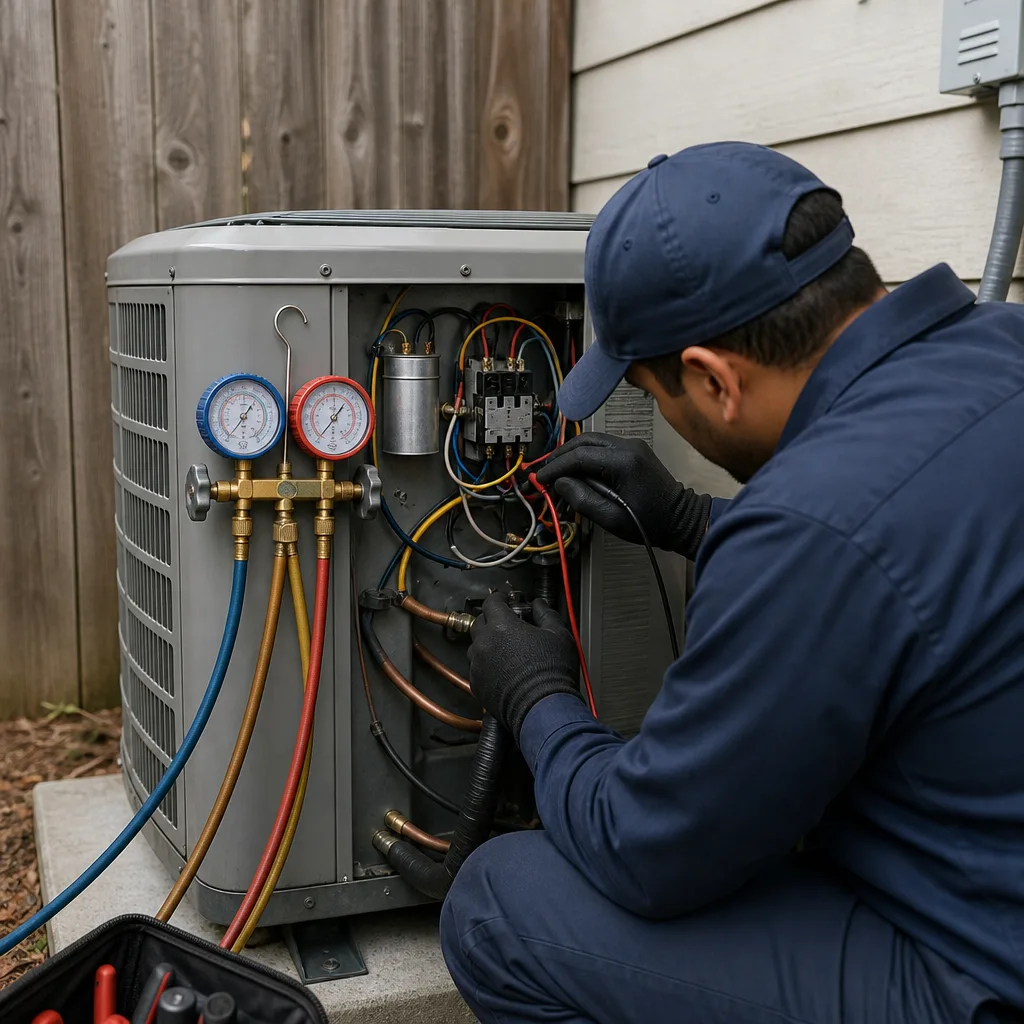 After
AfterReplacement Cost & What’s Included
In San Antonio, expect to pay $300 to $600 for a single collar reseal or a short flex-duct patch, $600 to $1,200 for a longer duct replacement or multiple leak points, and $1,200 to $1,800 when a plenum, trunk line, or several branch lines need rework. Every repair gets a written price before any tool comes out, so the number you approve is the number you pay. No surprises, no overtime add-ons.
What drives the range is access. Ductwork in a walk-in attic is cheaper to repair than ductwork in a tight crawlspace or behind a finished wall. Older San Antonio homes near the Pearl District and Monte Vista often have original metal ducts wrapped in degrading insulation, which is a different repair than replacing a flex run in a 2015 subdivision home. We’ll explain which scenario you’re in once we see it.
Every ductwork repair includes new mastic or UL-listed sealing tape (not duct tape, which fails in two San Antonio summers), a static pressure check before and after the repair, and a photo of the completed work area before we leave. The labor is backed by our 365-Day Done Right Promise.
DIY or Call Us?
Some checks are safe for a homeowner. Look at exposed ducts in the garage or utility closet. Feel for air escaping at joints when the blower runs. Shine a flashlight at take-off collars and look for gray cracks in old mastic. That kind of inspection costs you nothing and helps you describe the problem accurately when you call.
Where DIY goes wrong is inside attics, crawlspaces, and walls. San Antonio attics in summer are dangerous places: 140-degree heat, exposed nails, blown-in insulation you can’t see through, and the very real risk of stepping through a ceiling joist. Duct sealing also requires knowing whether to use mastic or tape, how to support flex runs without kinking them, and how to verify airflow after the repair. A bad duct seal still leaks, but now it’s hidden behind fresh mastic and harder to diagnose. If you’ve found a leak, call (254) 271-2545. We’ll confirm it, fix it, and show you the before-and-after airflow numbers.
FAQs
Flex duct in San Antonio attics typically lasts 15 to 20 years before the outer jacket degrades enough to compromise the inner liner. Metal duct can last decades if the insulation wrap stays intact, but the mastic seals at joints fail every 8 to 12 years in our heat. A duct system from the early 2000s is reaching the end of its serviceable life now.
Most duct problems are repairable when caught early: a separated collar, a torn flex section, a cracked mastic joint, or a crushed return line. Full replacement makes sense when more than about 40 percent of the system shows damage, or when the original ducts were undersized for the York unit they now serve. We’ll show you the condition photos and let the evidence drive the recommendation.
Most single-point repairs take 90 minutes to two hours once the technician is on site. Multi-point repairs or crawlspace work can run three to four hours. We’ll give you a time window when you call, and we call before we arrive.
Yes. Our trucks carry common York-compatible collars, take-offs, dampers, flex duct in 6, 8, and 10-inch diameters, mastic, and sealing tape. If a specialty fitting is needed, we can often source it the same day from a San Antonio supplier. Call (254) 271-2545 and we’ll tell you what’s on the truck for your specific situation.
Want a straight answer on your York ductwork? Call Meadowsweet Heating and Air San Antonio at (254) 271-2545. A live person answers, 24/7. We’ll talk through what the house is doing, and Luis or one of our technicians will give you a written price before any work starts. Shoe covers, drop cloths, and a photo of the clean-up included on every visit.
Written by Luis Serrano, Owner, Meadowsweet Heating and Air San Antonio at Meadowsweet Heating and Air San Antonio, serving San Antonio and nearby areas.