
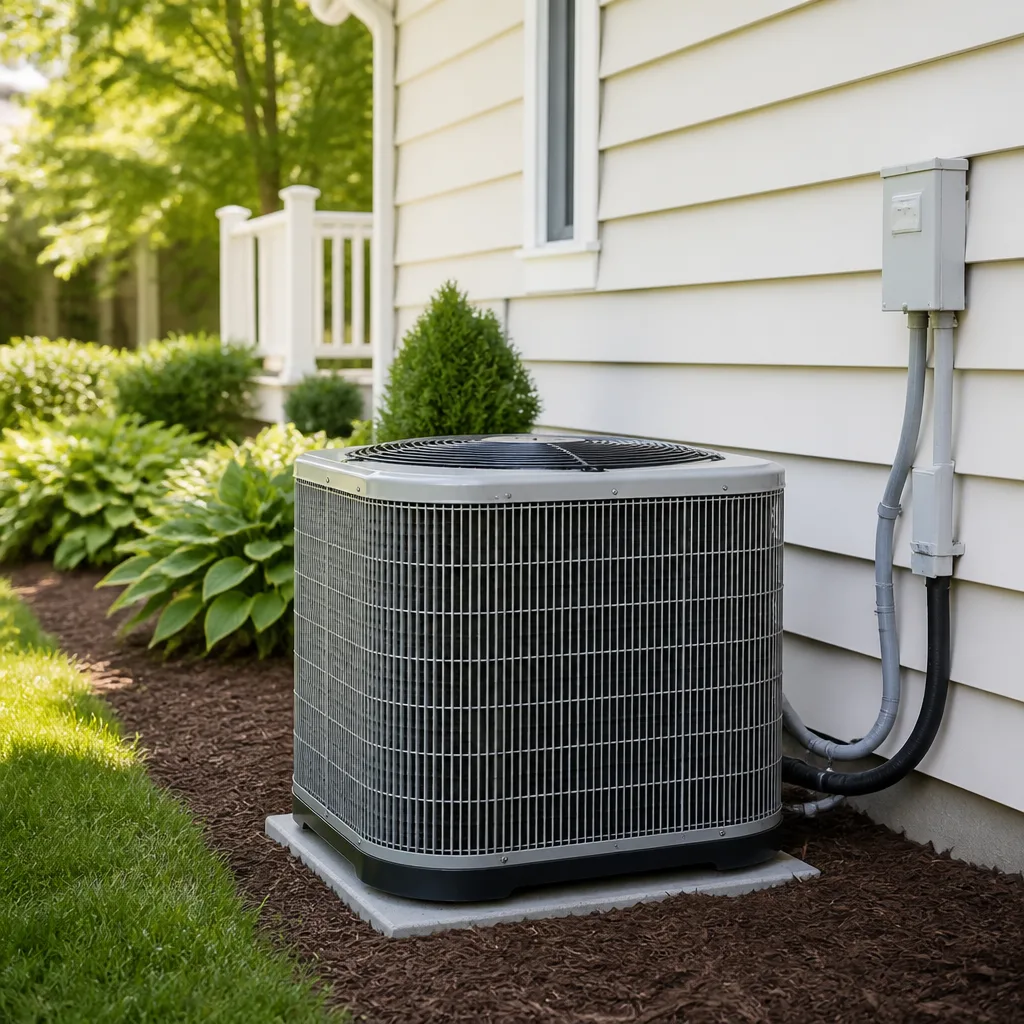
 AC repair
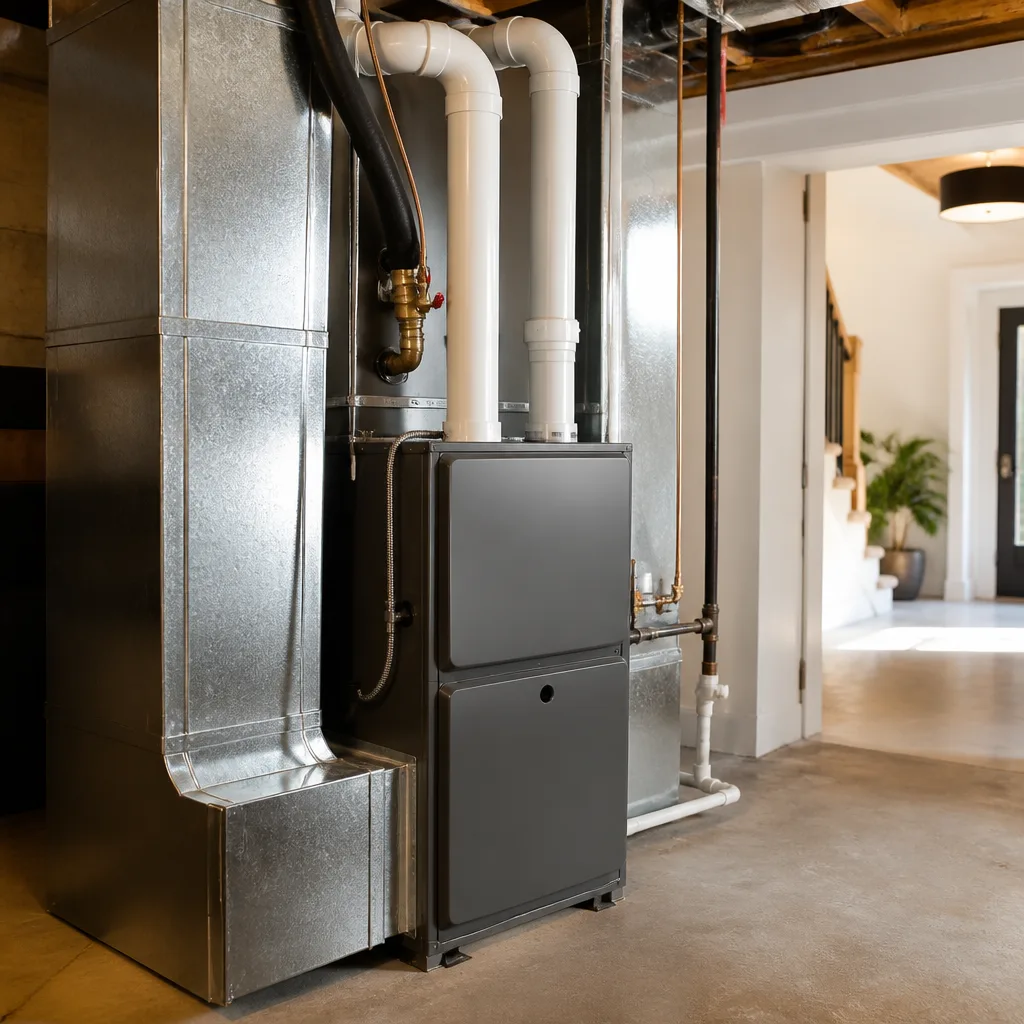 Furnace & heating
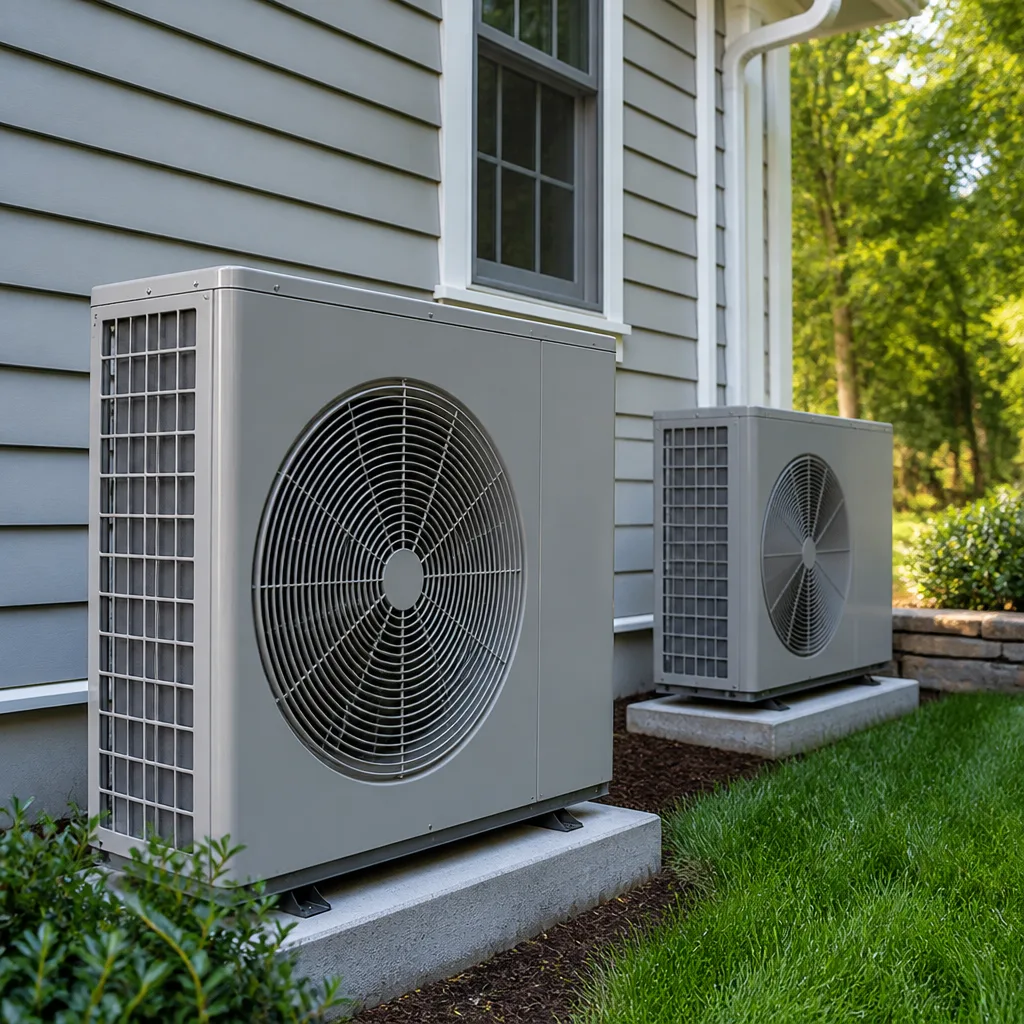 Heat pumps
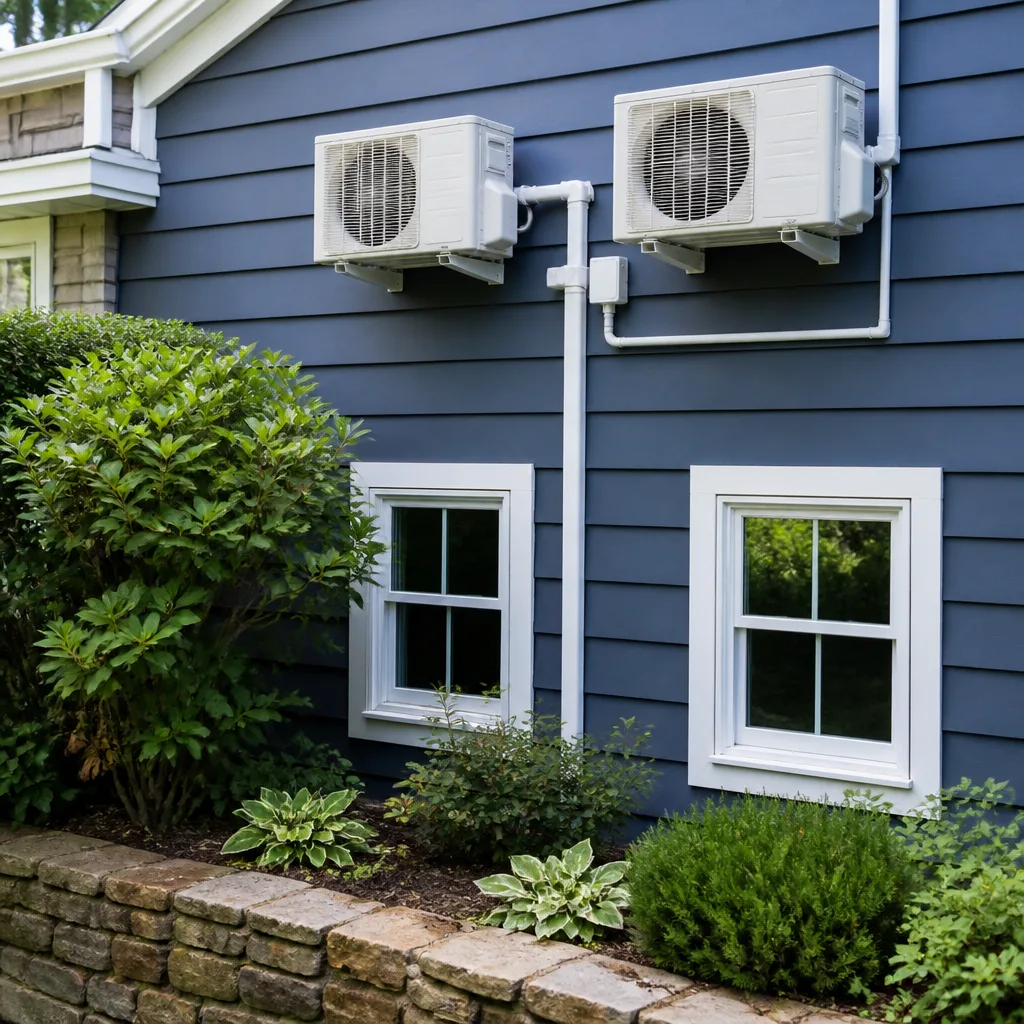 Ductless mini splits
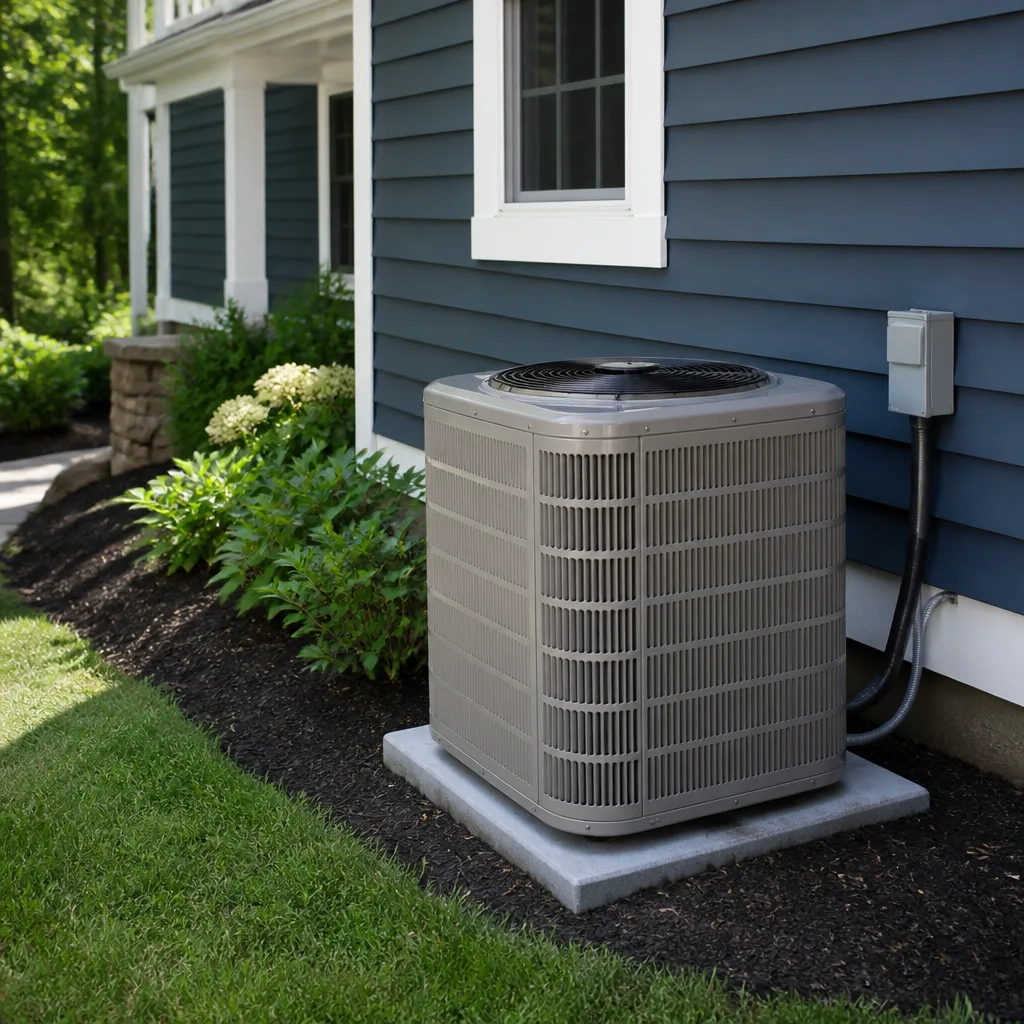 Carrier
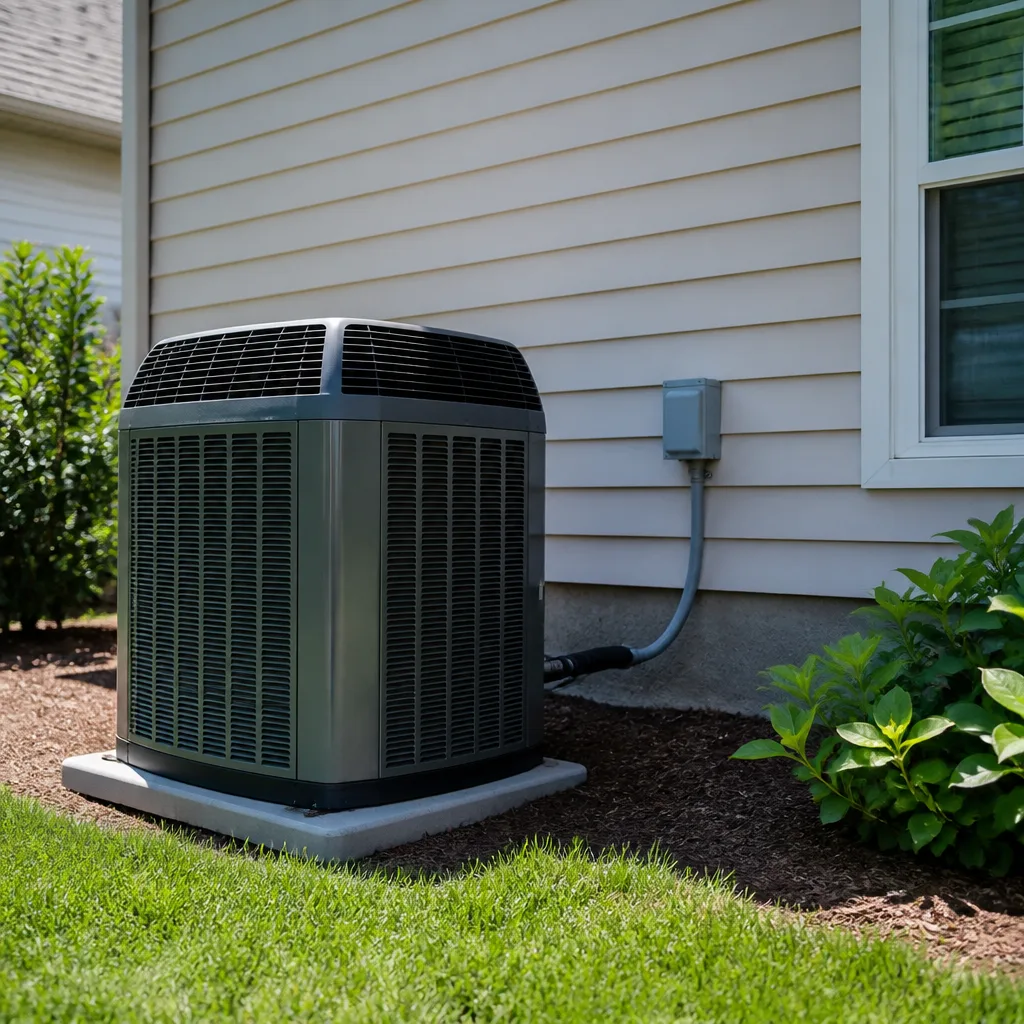 Trane
Trane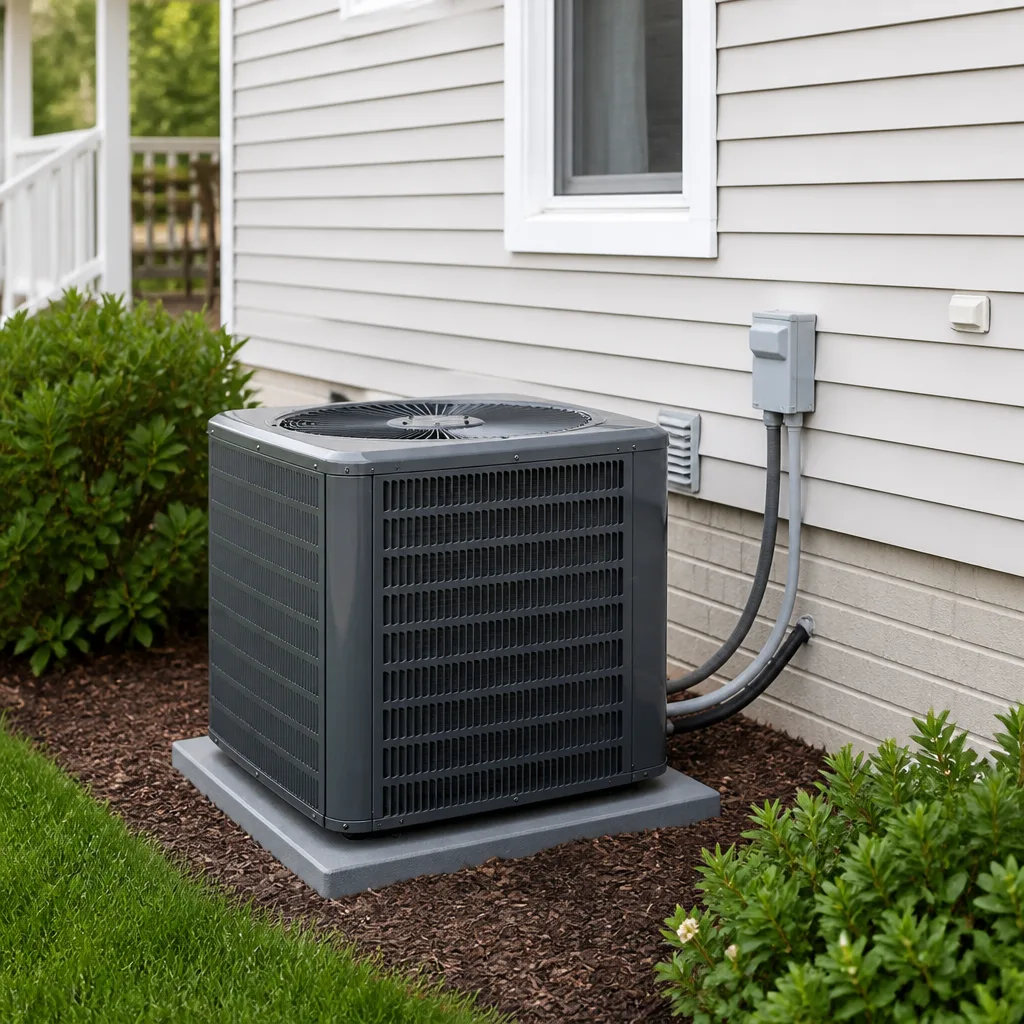 Goodman
Seasonal tune-up and full diagnostic on your Carrier, Trane, or Goodman system - readings shown to you before any repair is proposed
Diagnosis first, numbers second - you approve the repair price before a single part goes in.
Get your free estimateLennox Ductwork Repair: The San Antonio Owner’s Guide
Lennox ductwork repair in San Antonio typically costs $150 to $650 depending on how much of the duct run has failed, whether it’s a seam separation, crushed flex duct, or a full section replacement. Most repairs are completed the same day we diagnose the issue, and we stock common Lennox-compatible duct fittings, collars, and flex duct on our trucks. The way most homeowners discover the problem is subtle at first: a bedroom that never quite cools in July, a hallway that smells musty when the AC kicks on, or a utility bill that climbs $40 in a single summer month without any obvious reason.
Ductwork is the circulatory system of your Lennox system. When it leaks, the air you paid to condition ends up in the attic instead of the living room. In San Antonio, where attic temperatures regularly exceed 140°F in August, a 10% duct leak can translate into a 20% jump in cooling costs. That’s the math we explain to every homeowner before anyone picks up a tool.
Which Lennox Models This Applies To
Ductwork is not model-specific the way a control board or blower motor is. Your Lennox condenser or furnace connects to a trunk line and branch runs that were sized for the system’s CFM, not for a particular model number. What matters is the duct’s diameter, insulation R-value, and connection type: slip-and-drive, snap-lock, or flex duct with draw bands. That said, higher-end Lennox variable-speed systems like the XC25, SL28XCV, or EL296V are more sensitive to duct leaks than single-stage units. A variable-speed blower will ramp up to compensate for airflow restrictions, which masks a duct problem longer and burns more electricity doing it.
When you call us, we ask for the label on the indoor unit. That tells us the system’s designed airflow in CFM, which we compare against the duct sizing we measure in the attic. If you have a 4-ton Lennox moving 1,600 CFM through ductwork sized for 1,200 CFM, that’s a restriction problem, not just a leak. We’re independent, so we’re not tied to Lennox-branded duct components. We stock OEM-equivalent sheet metal fittings and R-8 flex duct that meet or exceed what Lennox installers use in new construction. For residential duct repairs, an R-8 insulated flex duct with a vapor barrier is what we pull off the truck nine times out of ten.
Styles & brands we work with
Signs Your Lennox Ductwork Repair Is Failing
- Rooms that never reach the thermostat setting. A single room that stays 5-8°F warmer than the rest of the house usually points to a disconnected or crushed branch run, not an undersized system. We find collapsed flex duct in roughly a third of the homes we inspect in older San Antonio neighborhoods.
- Dust accumulating faster than normal. A return-side duct leak pulls unfiltered attic air into the system, which means dust, insulation fibers, and whatever else lives up there gets distributed through every supply vent. If you dust on Saturday and can write your name on the shelf by Wednesday, suspect the return side.
- A hissing or whistling sound near the indoor unit when the blower runs. Small holes and loose seams create a high-pitched noise as air escapes under pressure. It’s most noticeable in hallways near the return chase or in closets that enclose duct runs.
- Musty or “attic-like” odor coming from vents when the AC starts. A supply-side leak draws hot, humid attic air into the conditioned airstream. In San Antonio’s humidity, that warm air mixes with the cool air in the duct and condenses, which creates the exact conditions where mold and mildew grow inside the duct lining.
- Your electricity bill climbs while your comfort drops. If your Lennox system is running longer cycles to hit the same temperature, and the condenser and air handler check out fine, duct leakage is the usual explanation. The DOE estimates typical homes lose 20-30% of conditioned air to duct leaks, and in Texas attics that number skews toward the high end.
Replacement Cost & What’s Included
Here’s what ductwork repair costs look like in San Antonio, based on what our techs typically encounter:
- Simple seam sealing or small patch: $150 to $250. One or two access points, mastic and foil tape, and a quick static pressure check afterward.
- Replacing a single flex duct run (10-20 feet): $250 to $450. Includes new R-8 insulated flex duct, draw bands, and re-connecting both ends properly. This is the most common repair we do in San Antonio attics.
- Multiple runs or a crushed trunk line section: $450 to $650. This usually involves working in a cramped attic for half a day, removing damaged duct, and re-balancing airflow to the affected rooms.
Every one of those numbers includes the part, the labor, the mastic sealing at every connection, and a written price before we start. You see the total before any work begins, and that total does not change unless we discover something hidden and get your sign-off first. The repair itself is covered by our 365-Day Done Right Promise. If a seam opens or a run sags within a year, we come back and make it right without another invoice.
What drives the price up in San Antonio specifically is attic access. Older homes in Alamo Heights or Castle Hills often have low-pitch roofs with tight, blown-in-insulation-filled attics that slow the work down. Newer homes in areas like Stone Oak or Cibolo tend to have radiant barrier decking, which makes an attic even hotter to work in. We carry battery-powered tools and work in the early morning hours when possible to keep the attic temperature manageable for the crew and your system’s ductwork.
See the difference
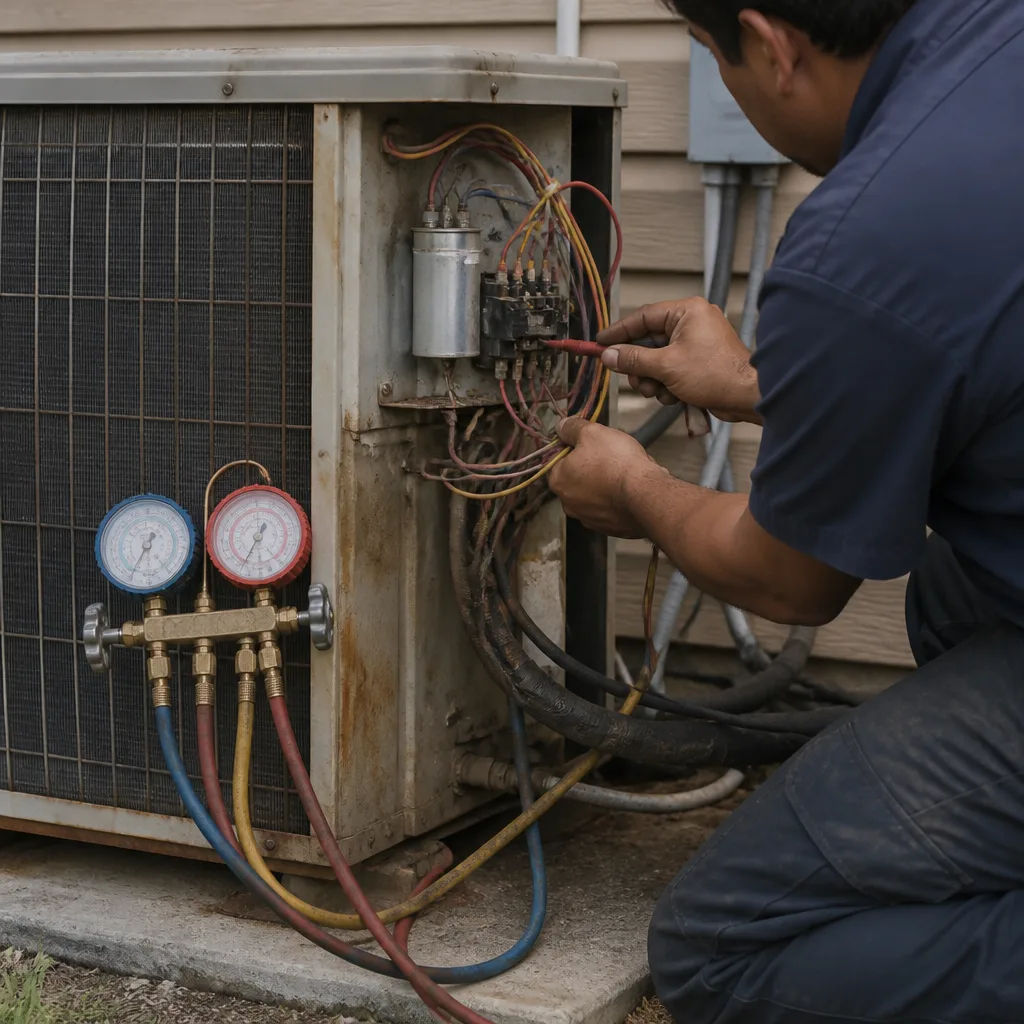 Before
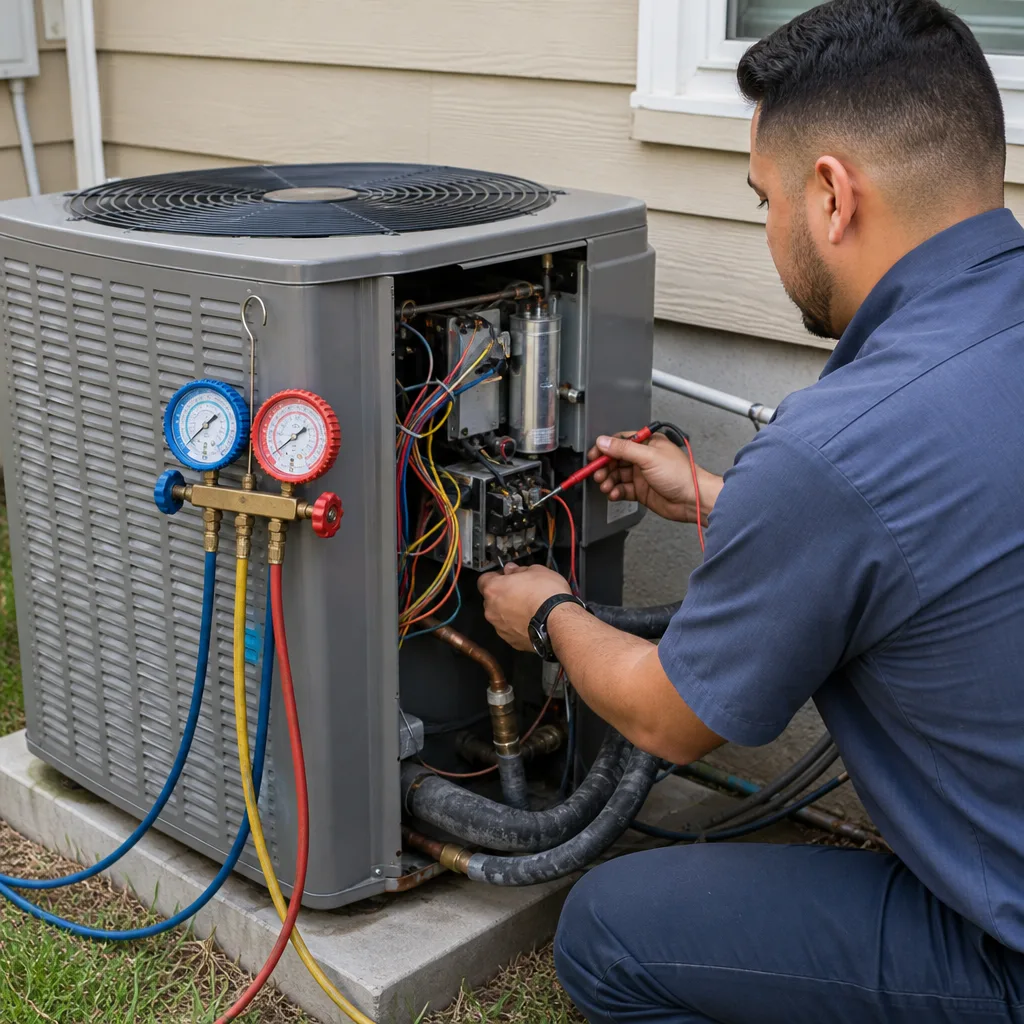 After
After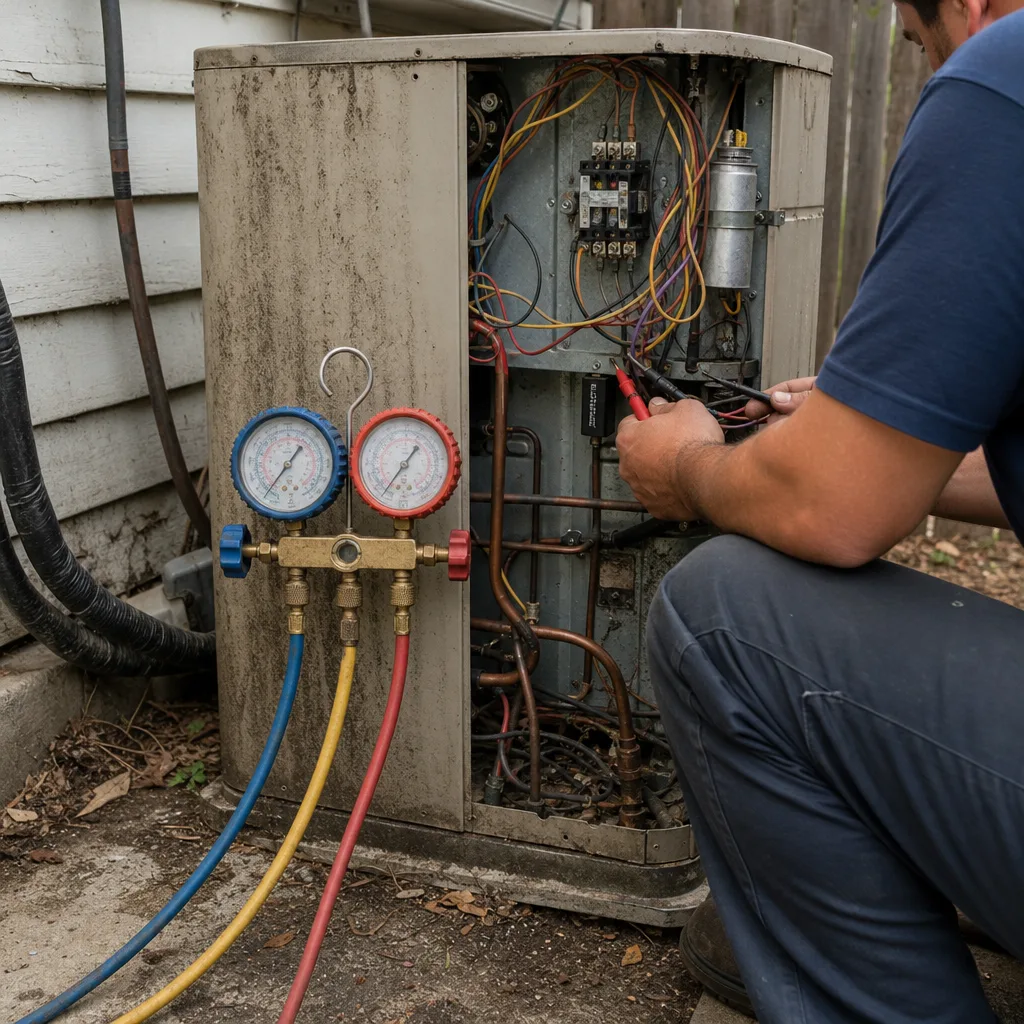 Before
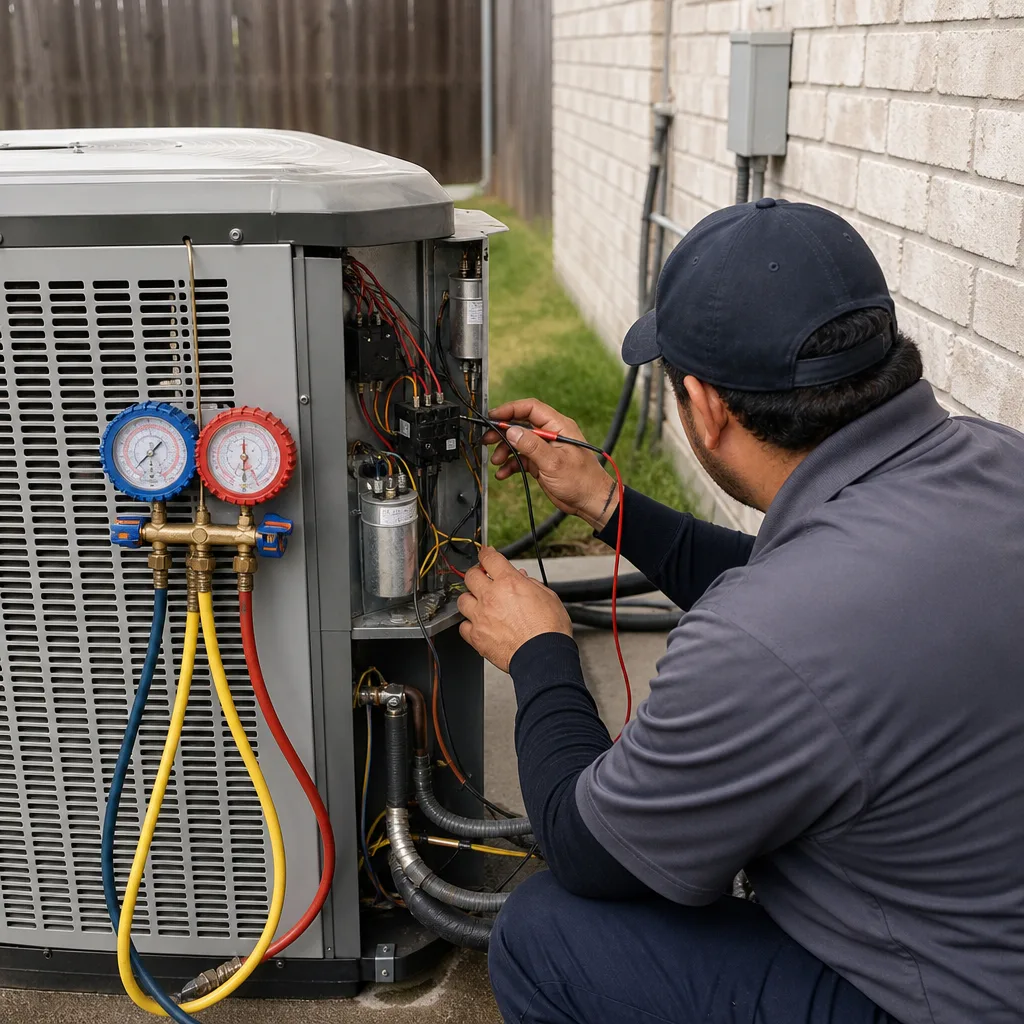 After
After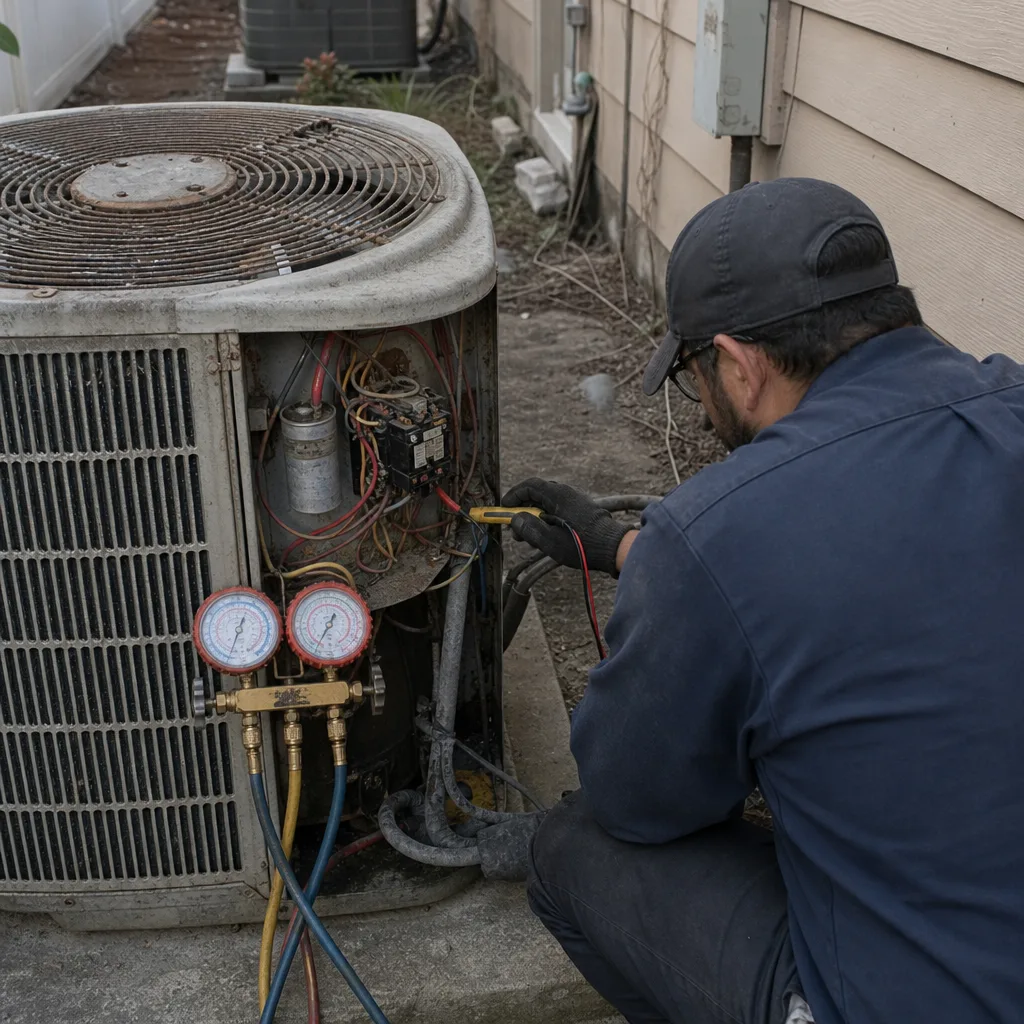 Before
 After
AfterDIY or Call Us?
Ductwork repair is one of the few HVAC tasks where a homeowner can actually make a meaningful difference without specialized training, but the safety line is real. You can safely do these three things: check visible ducts in the garage or utility closet for disconnected joints, use a flashlight to inspect flex duct in an accessible attic entry, and seal small gaps you can reach with a water-based duct mastic (never use duct tape; it fails within a year as the adhesive dries out). What you should not do is crawl across ceiling joists in a 140°F attic, attempt to re-hang a sagging trunk line, or cut into ductwork without knowing your system’s static pressure. Falling through a ceiling is a genuine risk, and a punctured ceiling costs more than any duct repair we bill.
Luis Serrano has walked enough San Antonio attics to know which repairs a homeowner can handle on a Saturday and which ones need a trained crew with the right ladder, knee boards, and a second person to pass tools. Call (254) 271-2545 and describe what you’re seeing. We’ll tell you on the phone whether it’s worth a service call at all.
FAQs
Flex duct in a San Antonio attic typically lasts 15 to 20 years before the outer jacket degrades and the insulation loses its R-value. The combination of sustained 130-140°F attic heat and humidity breaks down the plastic vapor barrier faster than it does in cooler climates, and that’s why we replace R-6 duct with R-8 as standard. Sheet metal ductwork properly sealed at the seams can last the life of the house. Call (254) 271-2545 to have us inspect your duct condition and get an honest read on what’s left.
Yes, individual sections of damaged or disconnected duct can be repaired or replaced without re-doing the entire system, which keeps most Lennox ductwork jobs under $650. Full duct replacement only makes sense when the original install was poorly sized or the insulation has deteriorated across most of the system. We’ll show you what we found in the attic and explain why we recommend what we recommend, with photos, before you spend a dollar.
Most single-run duct repairs in San Antonio take two to three hours from arrival to clean-up, including the time we spend sealing seams and testing airflow at the affected vents. Multiple runs might take half a day. We schedule a specific arrival window so you’re not burning a vacation day waiting on us.
Our trucks carry R-8 flex duct in the most common diameters used in San Antonio homes (6″, 8″, 10″, and 12″), along with draw bands, sheet metal collars, mastic, and foil tape. That means we can complete the vast majority of ductwork repairs on the first visit without ordering parts. We also service Carrier, Trane, Goodman, Rheem, York, Daikin, Bryant, and American Standard equipment, so the duct components we use are universal across all major brands.
Call for a Free Estimate
If you suspect a duct leak, if one room won’t cool, or if your Lennox system just isn’t keeping up with San Antonio heat the way it used to, call (254) 271-2545. A live person answers, any hour, any day. We’ll schedule a visit, give you a written price before any work starts, and leave your house the way we found it. Shoe covers on, drop cloths down, and a photo of the clean-up sent to you before we pull out of the driveway.
Written by Luis Serrano, Owner, Meadowsweet Heating and Air San Antonio at Meadowsweet Heating and Air San Antonio, serving San Antonio and nearby areas.